The Future of Digital Signage in 2026: Trends and Commercial Impact
The global landscape of visual communication is undergoing a massive transformation. By 2026, the future of digital signage will be defined by hyper-personalization and seamless integration. Static displays are quickly becoming relics of the past. Modern businesses now demand dynamic systems that respond to real-time data and environmental cues.
This evolution is driven by advancements in artificial intelligence and high-speed connectivity. Estimates suggest the global digital signage market will exceed $45 billion by 2026. This growth reflects a 7.5% compound annual growth rate from previous years. Companies are shifting budgets toward interactive experiences rather than traditional advertising methods.

Every urban environment will soon feature intelligent screens that communicate with mobile devices. These systems provide value beyond simple messaging. They act as data collection points and interactive service hubs. Understanding these shifts is crucial for any brand looking to stay competitive in the coming years.
How is the Future of Digital Signage Evolving by 2026?
The future of digital signage is moving toward a total fusion of software and hardware. In 2026, displays will no longer just play a loop of video content. Instead, they will use computer vision to identify the demographics of the person standing nearby. Sensors will detect age, gender, and even emotional states to adjust content instantly.
Artificial intelligence will manage content scheduling based on live environmental variables. For example, a screen might promote cold drinks when local temperatures rise above a certain threshold. This level of automation reduces the need for manual content management. It ensures that the right message reaches the right person at the optimal moment.
Connectivity plays a massive role in this evolution. The widespread adoption of 5G allows for 8K video streaming without any latency issues. This enables high-resolution 3D holographic content to be projected in public spaces. Businesses can now deploy complex interactive applications that were once limited by slow network speeds.
| Feature Category | 2024 Standards | 2026 Expectations |
| Content Delivery | Scheduled Loops | Real-time AI Driven |
| Screen Resolution | 4K Common | 8K and MicroLED |
| Connectivity | Wi-Fi 6 / 4G | 5G / Satellite Mesh |
| Interactivity | Touchscreens | Gesture and Voice AI |
| Data Usage | Basic Analytics | Predictive Behavior Modeling |
Recent data indicates that nearly 70% of consumers find digital displays more engaging than online ads. By 2026, this engagement will increase through the use of augmented reality. Customers can point their phones at a display to unlock exclusive discounts or virtual product trials. This bridge between physical and digital worlds is a core pillar of modern retail.
Key Technology Trends Shaping the Future of Digital Signage
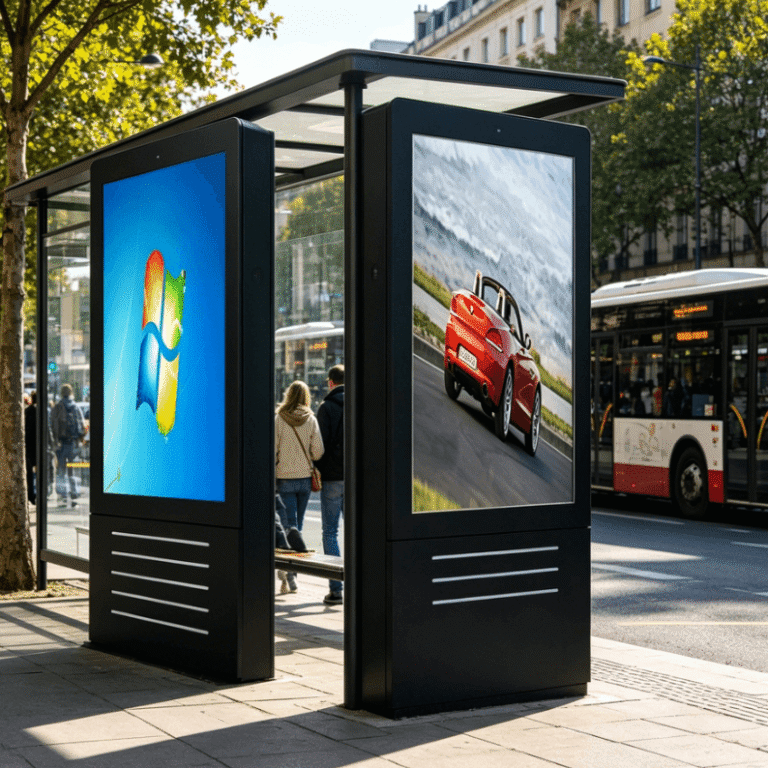
Hardware durability and visibility remain top priorities for commercial deployments. High-brightness panels are essential for areas with direct sunlight. In 2026, we see a surge in specialized outdoor digital signage solutions. These units are built to withstand extreme temperatures and heavy rain while maintaining crystal-clear imagery.
The shift toward sustainable technology is also influencing hardware design. Energy-efficient LED backlighting and solar-integrated power systems are becoming standard. Many businesses now choose displays with automated brightness sensors to reduce power consumption at night. This focus on green technology helps companies meet their environmental goals.
Indoor environments are seeing a move toward ultra-thin, bezel-less designs. Premium indoor digital signage installations now blend perfectly into modern architecture. These screens offer high refresh rates and deep color contrast for luxury retail settings. They serve as both informational tools and artistic installations in high-end lobbies.
Integration with the Internet of Things (IoT) is another critical trend for 2026. Digital screens now act as the central “brain” for smart buildings. They can display energy usage, occupancy levels, and emergency alerts simultaneously. This multi-functional approach increases the return on investment for property managers.
The use of transparent OLED technology is expanding in storefronts. This allows businesses to showcase physical products while overlaying digital information on the glass. It creates a futuristic aesthetic that captures the attention of passersby. Such innovations make the future of digital signage an essential part of the modern urban fabric.
Why Commercial Businesses Must Invest in the Future of Digital Signage?
Investing in modern displays provides a measurable competitive advantage. Data shows that digital screens can increase brand awareness by over 47%. In 2026, this impact is amplified by social media integration. Screens can display live user-generated content, creating a sense of community around a brand.
The cost of hardware has become more accessible for small and medium enterprises. While high-end features are premium, the overall price per pixel has significantly dropped. This allows more businesses to deploy large-scale video walls and interactive kiosks. The future of digital signage is no longer restricted to billion-dollar corporations.
Operational efficiency is another major benefit of upgrading your display network. Remote management software allows users to update thousands of screens from a single location. This eliminates the logistics costs associated with printing and distributing physical posters. Real-time updates mean that pricing errors can be fixed in seconds across an entire global network.

Digital displays also provide invaluable data insights. Modern sensors can track “dwell time,” which measures how long a person looks at a specific ad. This feedback loop allows marketing teams to refine their creative strategies based on actual performance. By 2026, these analytics will be integrated into standard business intelligence platforms.
Furthermore, the interactive nature of these displays improves the customer journey. Wayfinding kiosks in large malls or airports reduce visitor frustration. Self-service screens in restaurants speed up the ordering process and increase average check sizes. These practical applications demonstrate why digital signage is a vital commercial asset.
Selecting the Right Digital Signage for Your Business Needs
Choosing between different hardware options requires a clear understanding of your environment. For outdoor locations, weatherproofing and sunlight readability are the most important factors. You must look for units with high IP ratings, such as IP65 or higher. These ratings ensure the electronics are protected from dust and water ingress.
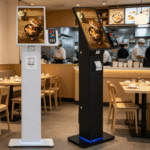
If your goal is to enhance an interior space, focus on resolution and aesthetics. Sleek, wall-mounted displays are perfect for corporate communication. Floor-standing kiosks are better suited for interactive wayfinding or product catalogs. It is essential to consider the viewing distance when selecting the screen size and pixel pitch.
For businesses operating in high-traffic areas, durability is a key concern. Toughened glass and robust metal casings prevent damage from accidental impacts or vandalism. Many modern systems also include remote monitoring tools. These tools alert you if a screen goes offline or if the internal temperature rises too high.
Integration with existing software ecosystems is another vital consideration. Ensure your chosen hardware supports the content management system (CMS) your team prefers. Some displays come with built-in media players, while others require external hardware. A streamlined setup reduces the complexity of your daily operations.
Finally, evaluate the long-term support and warranty options provided by the manufacturer. The future of digital signage depends on reliable hardware that stays operational for years. Investing in high-quality panels reduces the total cost of ownership by minimizing repair needs. Always prioritize brands that offer comprehensive technical assistance and spare parts availability.
Summary
The future of digital signage in 2026 is defined by AI-driven personalization and robust, high-performance hardware. Businesses must adopt these technologies to enhance customer engagement and operational efficiency. By choosing the right indoor or outdoor solutions, brands can create immersive experiences that drive long-term commercial growth and visibility.
PRO TIP
When planning your 2026 digital signage strategy, always prioritize content flexibility over fixed hardware specs. Choose a system that allows for easy software updates and third-party integrations. This ensures your investment remains relevant as new AI tools and data analytics platforms emerge in the coming years.
FAQ
1. What is the expected market size for digital signage in 2026?
The global digital signage market is projected to reach approximately $45.5 billion by 2026. This growth is fueled by the demand for interactive displays in retail and healthcare. Technological advancements in LED and OLED panels also contribute to this rapid expansion.
2. How will AI change the future of digital signage?
AI will enable hyper-targeted content delivery based on real-time audience analytics. Systems will be able to change displays based on the viewer’s age, mood, or even previous purchase history. This creates a much more relevant and engaging experience for the consumer.
3. Are outdoor digital signs worth the investment for small businesses?
Yes, outdoor digital signs offer high visibility that traditional static signs cannot match. They allow small businesses to run dynamic promotions that change by the hour. Modern outdoor units are now more affordable and energy-efficient than ever before.
4. What is the difference between 4K and 8K in digital signage?
8K offers four times the resolution of 4K, providing incredible detail for close-up viewing. While 4K is sufficient for most applications, 8K is becoming the standard for luxury retail and large-scale video walls. It ensures that images remain sharp even on massive screens.
5. How can I protect my digitalsignage from harsh weather?
You should select hardware specifically designed with high IP (Ingress Protection) ratings. Units designed for the outdoors include integrated cooling and heating systems to manage internal temperatures. This hardware ensures consistent performance in snow, rain, or extreme summer heat.
Reference Sources
Grand View Research: Digital Signage Market Size and Trends