Advantages of High Brightness Window Displays
The retail landscape in 2026 demands innovative ways to capture consumer attention. Storefronts are no longer just glass barriers between products and the street. They have become dynamic canvases for digital storytelling and brand interaction. A high brightness window display serves as the primary tool for this visual transformation.
Standard digital screens often fail in bright environments. Direct sunlight creates glare and washes out traditional images. This makes content nearly invisible to passersby during the day. High brightness window displays overcome these challenges with specialized backlight technology.
These displays ensure that marketing messages remain vibrant even at noon. They offer a professional look that attracts premium customers. By implementing this technology, businesses can effectively bridge the gap between physical and digital retail.
Why Are High Brightness Window Displays Essential for Modern Retail?
Visibility is the most critical factor for any storefront investment. If customers cannot see your promotions, your marketing budget is essentially wasted. High brightness window displays provide the clarity needed to compete with natural ambient light.
Most indoor screens offer around 350 to 500 nits of brightness. In contrast, outdoor-facing environments require significantly higher levels. A high brightness window display typically delivers between 2,500 and 3,500 nits. This massive increase in light output ensures images remain sharp and legible.
Modern consumers are also highly visual and tech-savvy. They expect high-quality digital experiences in every part of their journey. Bright, clear screens signal that a brand is modern and successful. This perception can lead to higher trust and better conversion rates.
1.Overcoming the Impact of Direct Sunlight
Sunlight is the greatest enemy of traditional digital signage. It causes reflections that obscure the content on the screen. A high brightness window display utilizes anti-glare coatings to mitigate this problem. These coatings allow the backlight to penetrate through the glass without distortion.
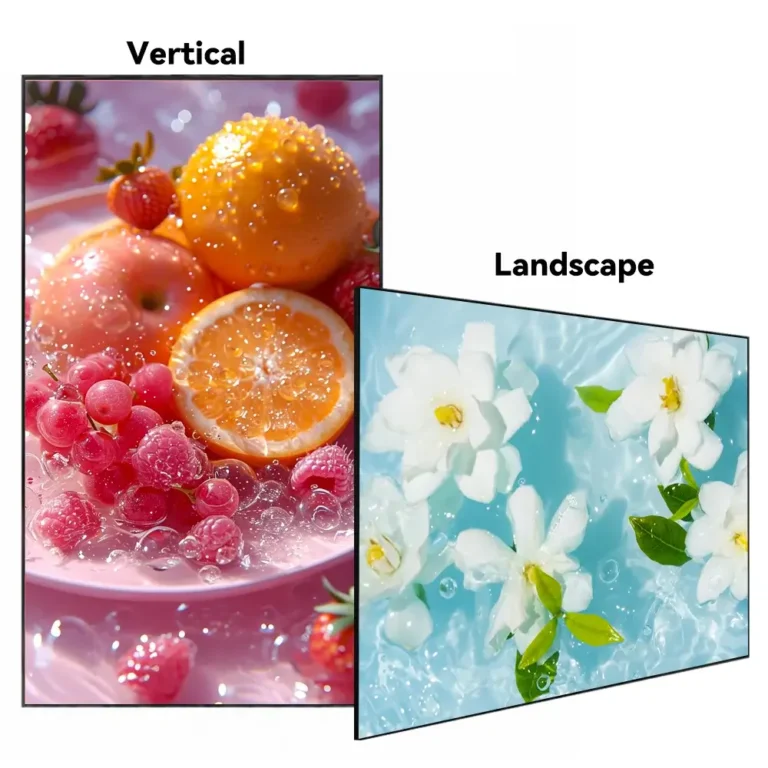
Without high-performance brightness, screens appear as black mirrors. This creates a poor aesthetic for the entire storefront. High-quality window displays maintain deep contrast even under harsh conditions. This performance ensures that your brand colors remain accurate and inviting.
2.Creating a 24/7 Brand Presence
Your storefront should work for your business even after hours. Traditional posters are hard to see at night without expensive external lighting. High brightness window displays offer consistent visibility regardless of the time of day. They can be programmed to run automated loops throughout the night.
This constant presence increases brand recall among local residents. Late-night commuters will notice your promotions while others sleep. Digital displays allow for instant content updates to match specific time slots. You can showcase breakfast deals in the morning and dinner specials at night.
What Are the Key Technical Benefits of These Displays?
Beyond simple visibility, these screens incorporate advanced engineering. They are designed to operate in demanding conditions that would destroy standard TVs. High brightness window displays feature industrial-grade components for long-term reliability. These parts are built to handle heat and continuous use.
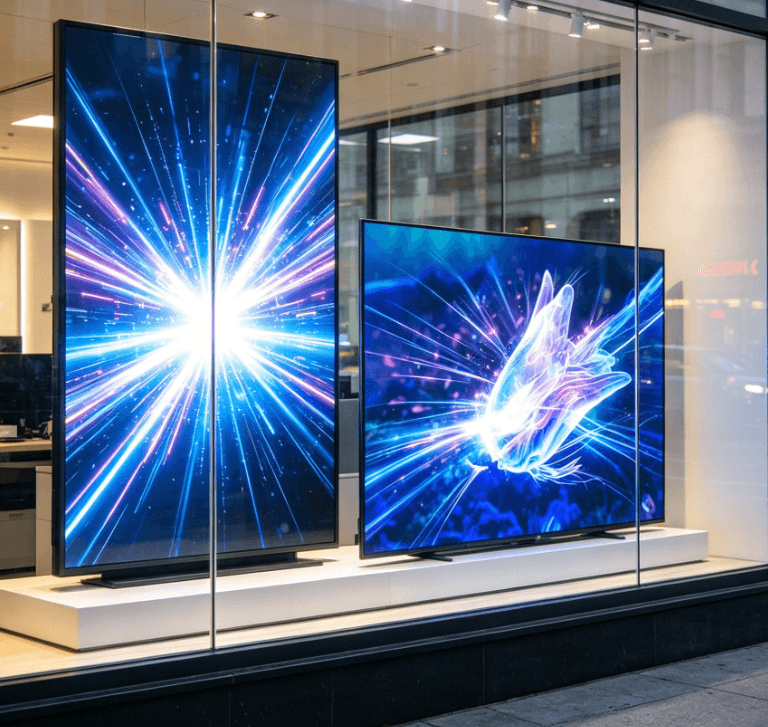
Heat management is a significant concern for window-facing electronics. Glass windows can act like greenhouses, trapping heat inside the display casing. Advanced window displays include intelligent cooling systems to prevent overheating. This protects the internal liquid crystals from turning black or permanent damage.
Furthermore, energy efficiency has become a priority for businesses in 2026. High brightness does not always mean high power consumption. Modern high brightness window displays use smart sensors to adjust light levels automatically. This ensures the screen is bright during the day and dimmed at night.
1.Industrial Grade Longevity
Consumer-grade screens are meant for limited daily use. They often fail after 8 to 10 hours of continuous operation. A professional high brightness window display is rated for 24/7 operation. This ensures that your investment continues to perform for several years.
These panels are often equipped with “High Tni” technology. This technology allows the screen to withstand surface temperatures up to 110°C. Standard screens often suffer from “blackening defects” when exposed to direct sun. High-performance window displays prevent these visual artifacts entirely.
2.Smart Ambient Light Sensors
Manual brightness adjustment is impractical for most retail owners. High brightness window displays feature built-in ambient light sensors for automation. These sensors detect the exact amount of sunlight hitting the glass. The screen then adjusts its output to the perfect level.
This feature significantly extends the lifespan of the backlight. It also reduces electricity costs during cloudy days or evening hours. Smart brightness control maintains an optimal viewing experience for the customer. It prevents the screen from being too dim in the sun or too blinding at night.
Comparing Technical Specifications
To understand the value, one must look at the data. The following table compares standard commercial displays with specialized window solutions.
| Feature | Standard Commercial Display | High Brightness Window Display |
| Brightness Level | 350 – 700 nits | 2,500 – 3,500+ nits |
| Sunlight Readability | Poor (Often invisible) | Excellent (Clear & vibrant) |
| Operating Hours | 12/7 or 16/7 | 24/7 |
| Operating Temp | Up to 40°C | Up to 110°C (Surface) |
| Cooling System | Passive | Active (Quiet Fans) |
| Lifespan | 20,000 – 30,000 hours | 50,000+ hours |
Data from various 2026 retail studies shows that high brightness window displays can increase foot traffic by up to 30%. This is because they capture the peripheral vision of pedestrians more effectively. Standard static posters fail to achieve the same level of engagement.
The contrast ratio is another critical metric to consider. High-end window displays offer contrast ratios of 5,000:1 or higher. This ensures that black levels remain deep despite the bright backlight. This technical balance creates the “pop” that makes digital content look lifelike.
How Do These Displays Impact Customer Engagement?
Static signage is becoming obsolete in the fast-paced retail world. Customers are accustomed to moving images and high-definition video. High brightness window displays allow for dynamic content that tells a story. This movement naturally draws the eye of anyone passing by.
You can use these screens to show product demonstrations. Seeing a product in motion is more persuasive than a still image. Digital window displays enable retailers to highlight multiple promotions simultaneously. This maximizes the utility of the limited physical storefront space.
Furthermore, digital content is easily updated via the cloud. This allows for seasonal changes or flash sales in seconds. High brightness window displays eliminate the cost and waste of printed posters. This contributes to a more sustainable and cost-effective marketing strategy.
1.Enhancing the Store’s Professional Image
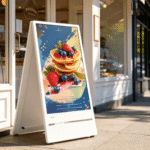
A sleek digital screen looks much better than taped-up paper signs. It gives the impression of a modern, well-maintained business. High brightness window displays come in slim designs that complement architecture. They can be hung or mounted on floor-to-ceiling stands.
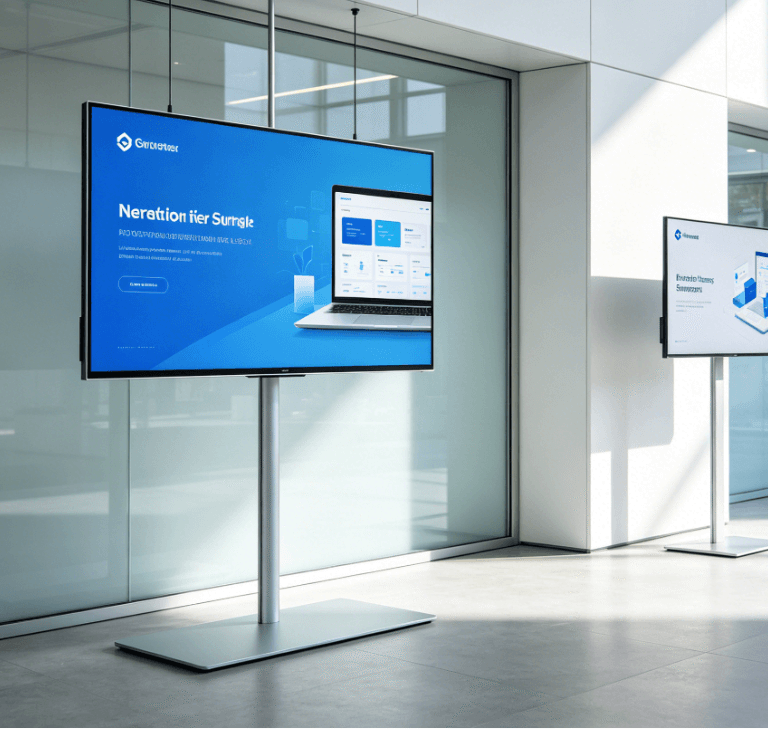
Many retailers choose double-sided versions for maximum impact. One side faces the street with high brightness. The other side faces the interior with standard brightness. Double-sided high brightness window displays engage customers both inside and outside.
2.Boosting Local Brand Awareness
In a busy shopping district, standing out is a challenge. High brightness window displays provide a competitive edge over neighboring shops. Vibrant colors and clear text ensure your message is the first one seen. This is especially true during the “golden hours” of sunrise and sunset.
The ability to display localized content builds a stronger community connection. You can show local news, weather, or community events. Using digital screens for community engagement increases long-term customer loyalty. This turns your storefront into a valued local landmark.
How to Select the Ideal Window Display Solution?
Choosing the right hardware depends on several environmental factors. You must first measure the amount of direct sunlight your window receives. A high brightness window display with 3,500 nits is best for south-facing windows. For windows with partial shade, 2,500 nits might be sufficient.
The size of the screen should also match the scale of your window. Large windows benefit from 55-inch or 75-inch models for maximum impact. Smaller boutiques might find 32-inch or 43-inch screens more appropriate. Evaluating different sizes of a high brightness window display ensures the hardware fits your aesthetic.
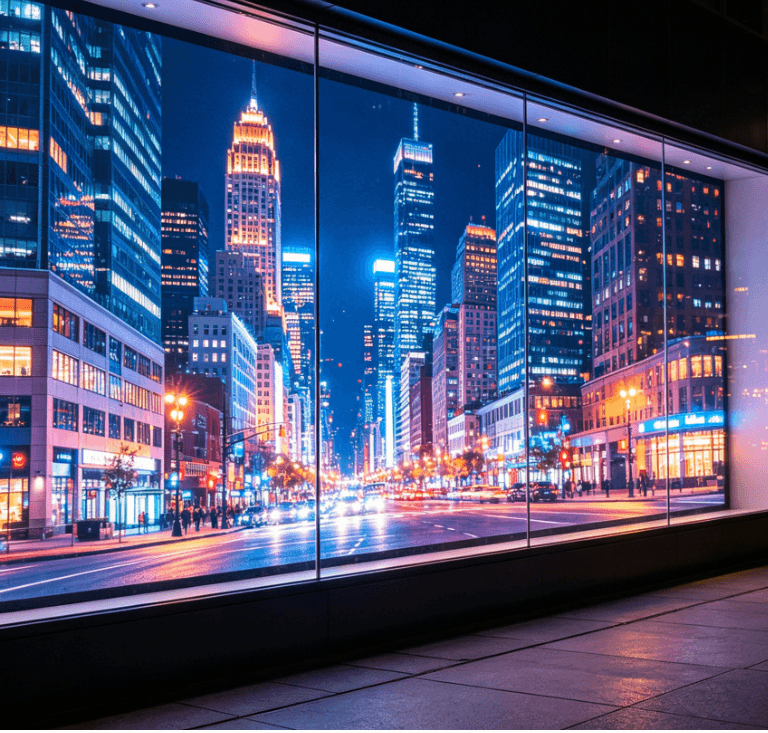
Finally, consider the mounting options that work for your space. Some windows require ceiling-hung mounts to keep the floor clear. Others might need a custom floor stand for stability near the glass. Professional installation of a high brightness window display ensures safety and optimal viewing angles.
It is also vital to check the internal media player capabilities. Many screens now come with built-in Android or specialized CMS software. This allows you to manage content without needing a separate PC. Selecting an integrated solution simplifies the daily operation of your digital storefront.
Summary
In summary, high brightness window displays are essential for any retail business looking to thrive in 2026. These devices solve the problem of sunlight glare while significantly boosting store visibility and engagement. By investing in this technology, you ensure that your brand remains visible, professional, and competitive 24/7.
PRO TIP
When creating content for your display, use high-contrast colors like yellow on black or white on blue. Avoid using subtle gradients or very dark images, as these are harder to see in bright sunlight. Always keep your text large and concise to capture the attention of moving pedestrians within three seconds.
FAQ
1. Can I use a regular high-definition TV in my store window?
You should not use a standard TV because it lacks the necessary brightness and heat resistance. Standard TVs typically only reach 300-500 nits, which will appear completely black in direct sunlight. Furthermore, they are not designed to handle the high temperatures of a window environment and may fail quickly.
2. How much electricity does a high brightness display use?
Modern high brightness displays are surprisingly efficient due to LED technology and smart sensors. While they use more power than a standard monitor at peak brightness, they often dim automatically when not needed. Most units are designed to meet strict energy standards to minimize operational costs for the business.
3. What is the difference between nits and lumens?
Nits are a measurement of the light emitted from a surface, which is used for screens and monitors. Lumens measure the total amount of light emitted by a source, which is usually used for projectors or light bulbs. When choosing a window display, you should always look for the nit rating to ensure sunlight readability.
4. How long do these displays usually last?
Most professional-grade high brightness displays are rated for at least 50,000 hours of continuous use. This means if you run the screen 24 hours a day, it should last for nearly six years. If you use a timer to turn it off during late-night hours, the lifespan can extend significantly.
5. Do I need special software to change the content on the screen?
Most modern displays include an integrated Content Management System (CMS) that allows for easy updates. You can usually upload new videos or images via a USB drive or over a Wi-Fi network. This allows you to change your storefront promotions remotely from your office or home.
Reference Sources