How to Integrate Digital Signage into Your Business
The modern business landscape requires dynamic ways to capture attention. Traditional static posters no longer meet the expectations of tech-savvy consumers in 2026. Digital signage integration offers a powerful solution to bridge the gap between physical spaces and digital content. This technology allows companies to broadcast real-time information effectively.
Businesses that adopt these systems see a significant shift in audience behavior. Recent industry data shows that digital displays capture 400% more views than static signs. This visual impact is essential for brand recall and customer education. Integrating these tools requires a clear strategic roadmap for long-term success.

Successful deployment goes beyond simply hanging a screen on a wall. It involves aligning hardware, software, and creative strategy with your specific business goals. By following a structured approach, you can ensure your investment yields measurable returns. This guide explores the essential steps to modernize your business environment.
Why is Digital Signage Integration Essential for Modern Businesses?
Digital signage integration serves as a primary driver for customer engagement in 2026. Modern consumers expect interactive and visually stimulating environments when they visit physical locations. Statistics indicate that 80% of shoppers enter a store because a digital sign caught their eye. This makes the technology a vital tool for driving foot traffic.
Beyond mere aesthetics, these systems improve internal and external communication efficiency. You can update messaging across multiple locations instantly from a central dashboard. This eliminates the costs associated with printing and distributing physical materials. Research suggests that businesses can reduce perceived wait times by up to 35% using dynamic content.
Data-driven decision-making is another major advantage of modern integration. Many systems now incorporate sensors and analytics to track viewer demographics and engagement levels. This allows you to refine your marketing strategy based on actual audience behavior. Effective digital signage integration transforms passive displays into active data collection points.
| Metric | Impact of Digital Signage |
| Brand Awareness | 47.7% Increase |
| Average Purchase Amount | 29.5% Growth |
| Customer Satisfaction | 30% Improvement |
| Employee Engagement | 25% Increase |
How to Implement a Digital Signage System Successfully?
The first step in digital signage integration involves defining your specific objectives. Do you want to increase sales, improve internal communication, or provide wayfinding? Clear goals will dictate the type of hardware and software you need. Without a defined purpose, the system may fail to provide a return on investment.
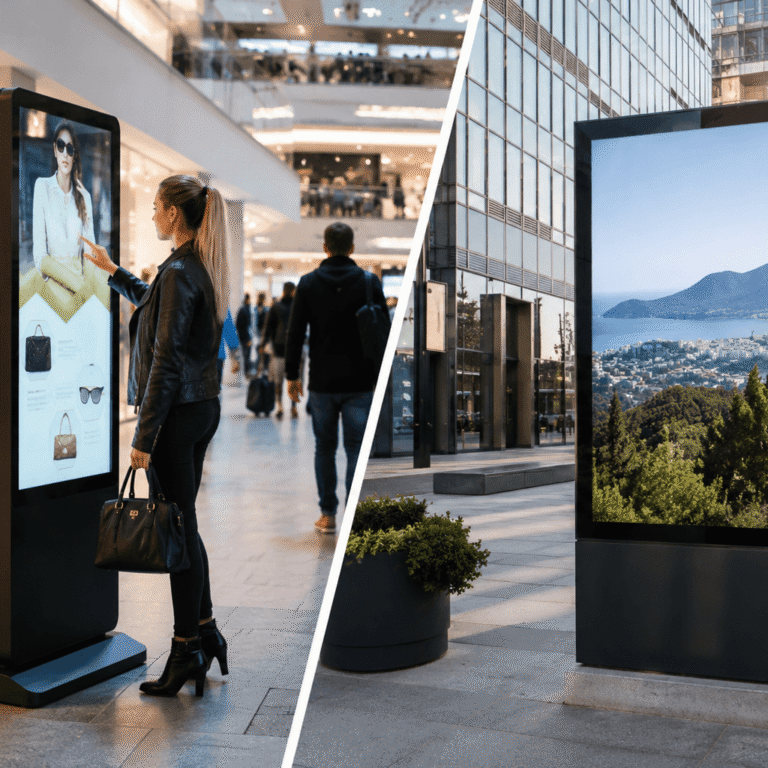
Once goals are set, you must assess your physical environment carefully. Consider light levels, foot traffic patterns, and the availability of power and internet connectivity. For high-traffic entrances, you might require specialized outdoor displays to handle direct sunlight. Indoor environments may benefit from high-resolution screens that encourage close-range interaction.
1.Choosing the Right Hardware and Software
Selecting a Content Management System (CMS) is the heart of your digital network. The software should be user-friendly and support various media formats like video and live feeds. Ensure the CMS can scale as your business grows to include more screens. Scalability is a core requirement for any future-proof digital signage integration.
Hardware selection must match the demands of your specific location. Commercial-grade screens are necessary because they are designed for 24/7 operation. Consumer televisions lack the brightness and cooling systems required for business use. High-quality displays ensure your content remains vibrant and legible throughout the day.
2.Developing a Content Strategy
Content is the most critical element of your digital signage network. Your visuals must be high-quality, relevant, and updated frequently to maintain interest. Use the 2026 standard of 4K resolution to ensure professional-looking presentations. Compelling content drives the overall effectiveness of your digital signage integration.
Create a content calendar to automate your messaging throughout the week. This ensures that the right information reaches the right audience at the ideal time. For example, a restaurant might display breakfast menus in the morning and dinner specials in the evening. Automation reduces the daily workload for your staff.
Key Technical Components for Integration
Reliable connectivity is the backbone of any digital display network. You need a stable internet connection to push updates and monitor system health. Many businesses utilize a mix of Wi-Fi and hardwired Ethernet for maximum redundancy. Cellular 5G options are also becoming popular for remote or outdoor installations.
Security must be a top priority during the setup process. Digital screens are often targets for unauthorized access if not properly secured. Use encrypted connections and robust firewalls to protect your media players. Protecting your network integrity is essential for safe digital signage integration.
Installation should be performed by professionals to ensure safety and optimal viewing angles. Screens must be mounted securely to withstand vibrations or environmental factors. Proper ventilation is also required to prevent hardware overheating. Ignoring these technical details can lead to frequent downtime and expensive repairs.
1.Understanding Brightness and Resolution
Brightness is measured in nits, and it determines how well a screen performs in different lighting. For indoor spaces, 350 to 700 nits is usually sufficient for clarity. However, windows or bright atriums may require much higher levels. Matching nit levels to environmental light is crucial for digital signage integration success.
Resolution affects how close a viewer can stand before seeing individual pixels. In 2026, 4K is the industry standard for most professional business applications. Higher resolution allows for smaller text and more intricate graphic designs. This is particularly important for menu boards or informational kiosks.
2.Integration with External Data Sources
Modern systems can pull live data from social media, weather reports, or inventory databases. This creates a more dynamic experience that keeps viewers coming back for updates. For instance, a retail store can display live stock levels for popular items. Linking your signage to real-time data adds immediate value for the consumer.
APIs allow your signage software to communicate with other business tools. You can sync your display with your Point of Sale (POS) system for automatic price updates. This level of automation reduces human error and ensures consistency. Advanced data syncing represents the pinnacle of modern digital signage integration.
Selecting the Right Display Solutions for Your Environment
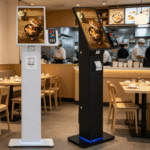
Determining which hardware fits your business depends largely on the installation site. For interior locations like lobbies or retail aisles, indoor digital signage provides the necessary detail. These units often feature sleek designs and ultra-thin bezels to blend with interior decor. They are perfect for close-up viewing and interactive touch applications.
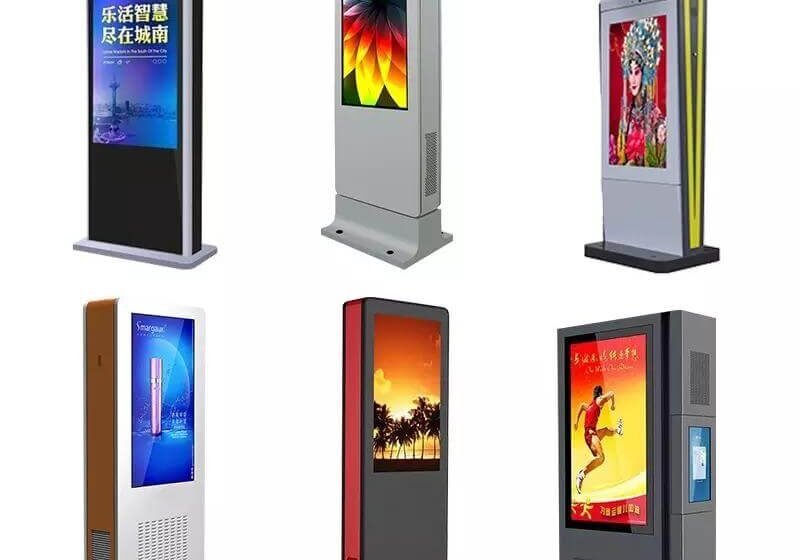
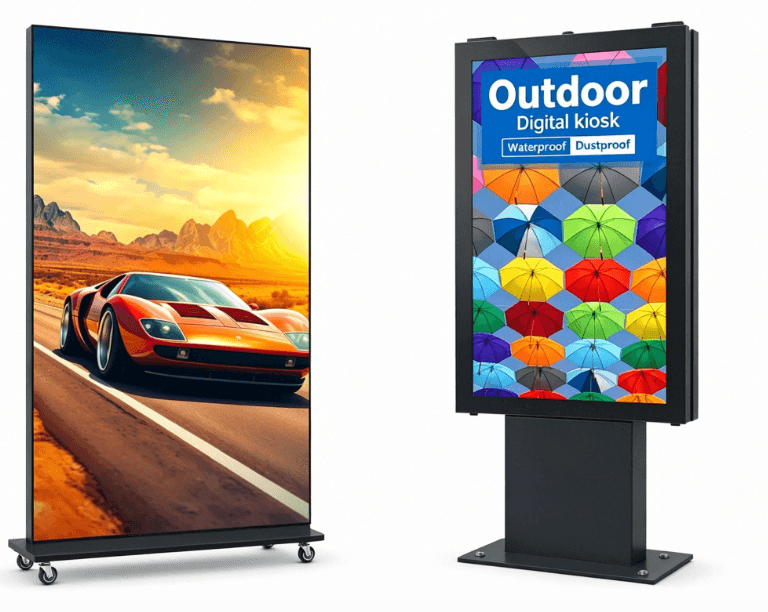
When your message needs to reach customers before they enter the building, durability is key. In 2026, high-performance outdoor digital signage is built to withstand extreme weather. These displays feature IP65 or IP66 ratings to protect against dust and heavy rain. They also offer high-brightness panels that remain visible even in direct midday sunlight.
The decision between indoor and outdoor solutions should be based on your primary audience’s location. Outdoor units act as powerful tools for attracting attention from the street or parking areas. Indoor units are better suited for deepening the customer relationship once they are inside. Selecting the appropriate environment-specific hardware ensures your digital signage integration lasts for years.
Summary
Successful digital signage integration requires a balance of strategic planning, high-quality hardware, and dynamic content. By defining your goals and choosing the right environment-specific displays, you can significantly enhance customer engagement. This technology not only boosts sales but also modernizes your entire brand image in 2026.
PRO TIP
Always test your content on the actual display hardware before launching a full campaign. Colors and text sizes that look good on a desktop monitor may appear differently on a large-scale commercial screen. Regular testing ensures a professional and polished appearance for your audience.
FAQ
1. How much does digital signage integration cost for a small business?
Costs vary based on the number of screens, software subscriptions, and installation complexity. A basic single-screen setup might start at a few hundred dollars, while enterprise networks involve significant capital. You should budget for both the initial hardware purchase and ongoing software fees.
2. Can I use a regular consumer TV for my business signage?
Consumer TVs are not recommended for commercial use because they are not built for long running hours. They lack the necessary brightness to compete with commercial lighting and often have shorter warranties. Commercial displays offer better heat management and much higher durability.
3. What type of internet connection is best for digital signage?
A wired Ethernet connection is generally the most reliable choice for consistent content updates. If wiring is not possible, high-speed Wi-Fi or 5G cellular modems are viable alternatives in 2026. Stable connectivity is the most critical factor for successful digital signage integration.
4. How often should I update my digital signage content?
You should update your content at least weekly to keep the information fresh and relevant. Daily updates are even better for businesses like restaurants or retail stores with changing promotions. Automated content feeds can help keep your screens active without manual intervention.
5. Do I need a professional designer for my signage visuals?
While many CMS platforms offer templates, a professional designer can help create a unique brand identity. High-quality visuals are essential for capturing attention in a crowded marketplace. Professional design is a key component of effective digital signage integration.
Reference Sources