How Digital Signage Impacts Advertising
The evolution of visual communication has fundamentally altered how brands connect with their target audiences. Static billboards no longer satisfy the demands of a high-speed, digital-first world. Modern digital signage advertising has emerged as a powerhouse for capturing attention in crowded environments. It combines high-definition visuals with dynamic content delivery systems. This technology allows businesses to update messages in real-time.
By 2026, the integration of smart sensors and AI has made these displays even more effective. Advertisers now use data to trigger specific content based on weather or demographics. This level of personalization was impossible with traditional print media. It ensures that the right message reaches the right person at the optimal moment.
Retailers and corporate entities are increasingly investing in these digital solutions. The shift is driven by the need for higher engagement and better recall rates. Digital signage advertising bridges the gap between online marketing and physical presence. It creates a seamless brand experience across all touchpoints.
Why is digital signage advertising effective in 2026?
Effectiveness in modern advertising is measured by engagement and conversion. Digital signage advertising excels here because it leverages human psychology. Our eyes are naturally drawn to movement and bright colors. These screens provide a level of vibrancy that paper simply cannot match. This visual stimulation leads to higher dwell times in retail spaces.
Data shows that 76% of consumers enter a store because of its digital signs. Furthermore, 68% of customers claim that digital displays influence their purchasing decisions. These numbers highlight the direct impact on the bottom line. Digital signage advertising reduces the perceived wait time in checkout lines as well. It keeps customers entertained while they wait for service.
The flexibility of content management is another major advantage. Businesses can schedule different ads for morning, afternoon, and evening shoppers. This allows for hyper-localized targeting without additional printing costs. In 2026, the ability to pivot strategy instantly is a competitive necessity. Dynamic content keeps the brand image fresh and relevant.
| Feature | Impact on Advertising | Data/Statistic (2026) |
| Motion Graphics | Increases brand recall | 83% recall rate for digital ads |
| Real-time Updates | Enhances relevance | 40% higher engagement with live feeds |
| Interactive Elements | Boosts customer participation | 35% increase in conversion via touch |
| Brightness/Clarity | Improves long-range visibility | 2.5x more attention than static signs |
Transforming Customer Experiences with Digital Displays
Modern displays do more than just show images; they create environments. Digital signage advertising integrates into the architecture of shopping malls and transit hubs. It provides useful information alongside promotional content. This utility builds trust and improves the overall customer journey. People value screens that offer maps or news updates.
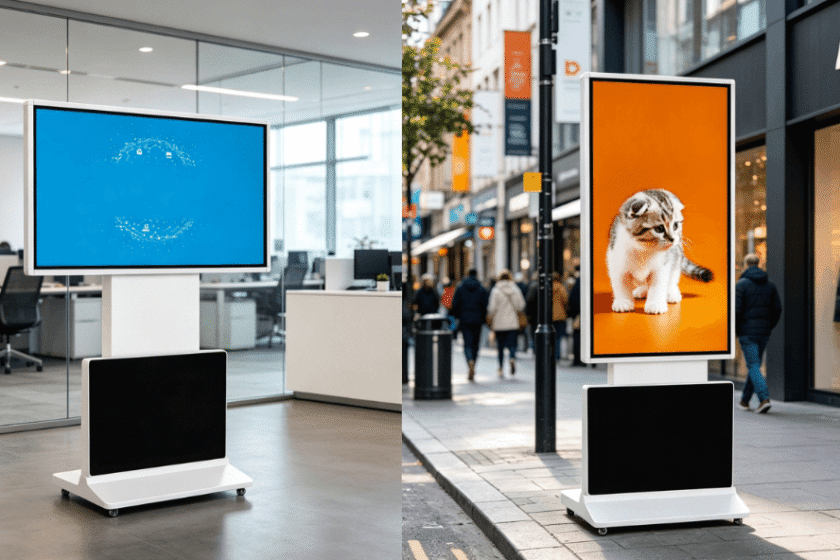
Indoor environments require high-resolution screens with wide viewing angles. When looking for indoor digital signage, businesses prioritize color accuracy and sleek designs. These displays often serve as interactive kiosks for self-service. They empower customers to find products or check inventory themselves. This autonomy enhances the shopping experience significantly.
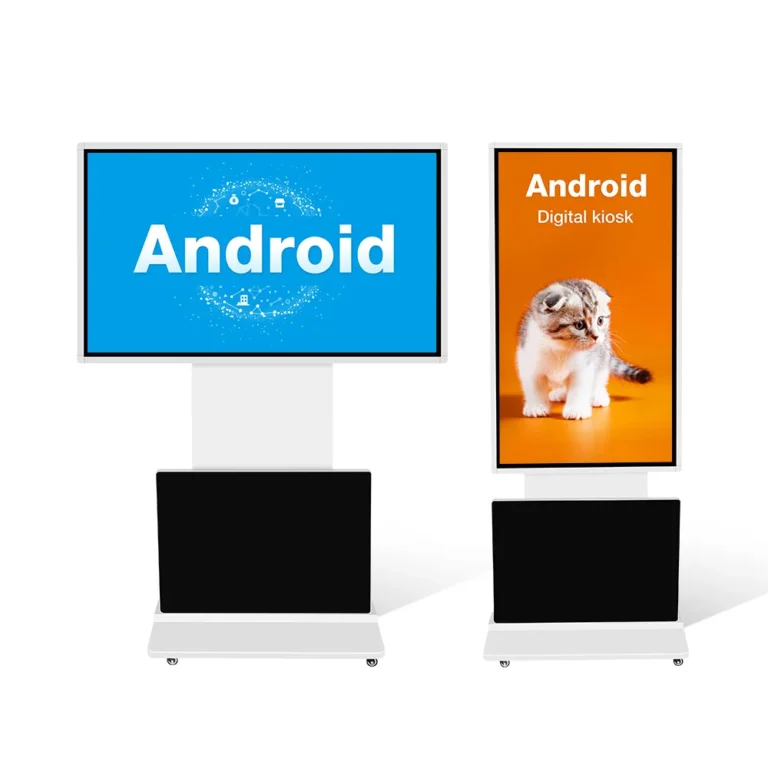
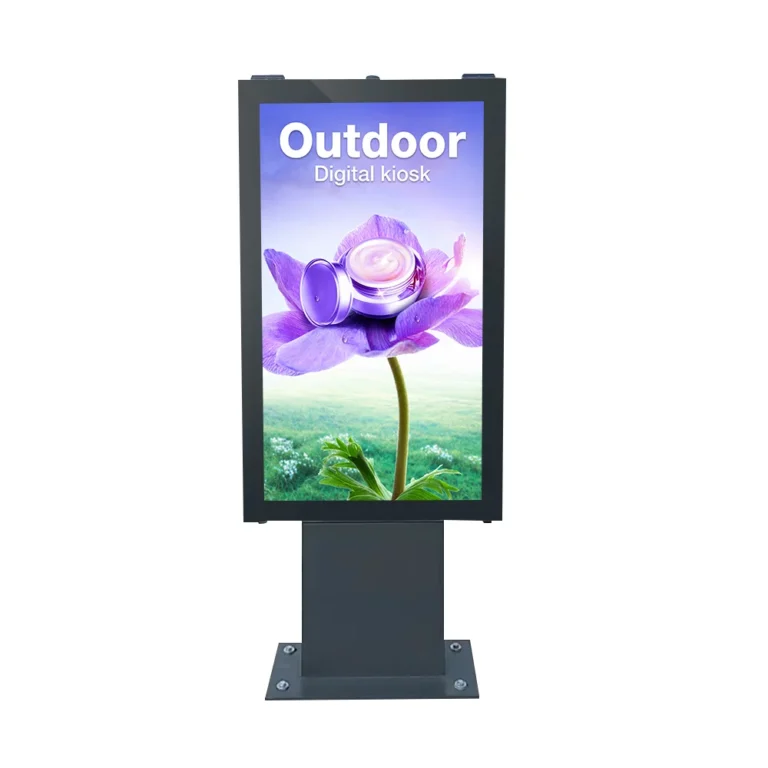
Outdoor environments present a different set of challenges and opportunities. High-brightness screens are essential for maintaining visibility under direct sunlight. Choosing the right outdoor digital signage ensures that your brand remains visible 24/7. These units are built to withstand rain, wind, and extreme temperatures. They act as beacons that draw foot traffic from a distance.
Maximizing Reach Through Dynamic Outdoor Solutions
Outdoor advertising has seen a massive upgrade through digitization. Large-format screens can be seen from hundreds of feet away. Digital signage advertising in outdoor spaces often targets commuters and travelers. These high-traffic areas offer unparalleled brand exposure. The sheer scale of these installations commands respect and attention.
Durability is a core component of outdoor advertising success. Screens must feature IP65 or higher ratings to protect against moisture. They also require robust thermal management systems for summer heat. High-quality outdoor digital signage provides consistent performance regardless of the weather. This reliability ensures that your advertising budget is never wasted on downtime.
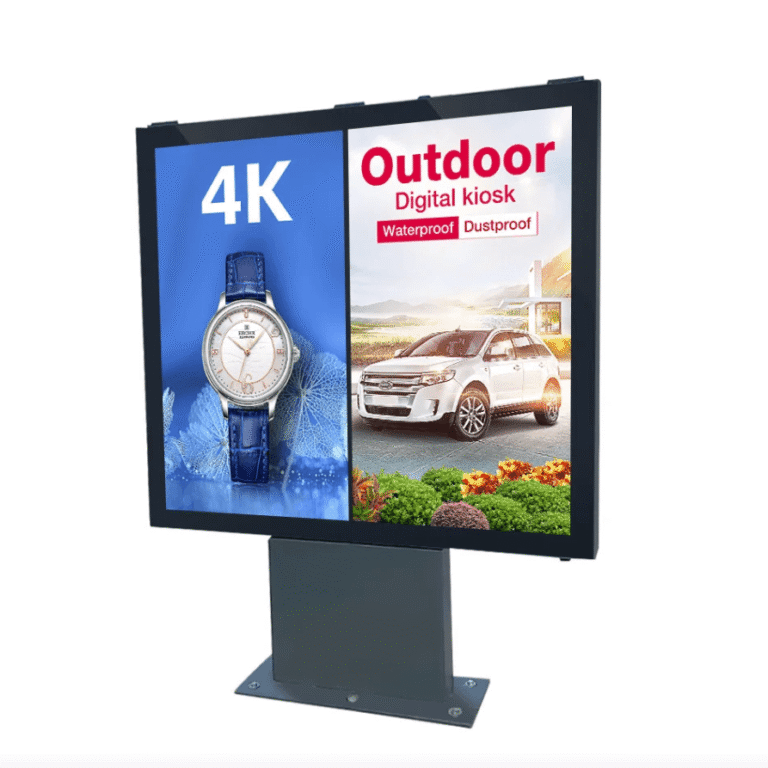
Digital out-of-home (DOOH) advertising has grown by 15% annually. Advertisers value the ability to sync outdoor screens with mobile campaigns. This cross-channel approach reinforces the message across multiple platforms. By 2026, outdoor screens have become essential for smart city infrastructures. They provide public service announcements while hosting premium ad space.
Strategizing for Your Business Environment
Selecting the right hardware depends entirely on your specific goals. You must evaluate the lighting conditions and the distance of your viewers. For close-range interaction, high-pixel-pitch indoor screens are the gold standard. They provide the crisp detail needed for reading text and menus. Digital signage advertising thrives when the hardware matches the intent.
If your goal is to capture attention from the street, brightness is king. Outdoor units must reach at least 2,500 nits to combat solar glare. You should also consider the ease of maintenance for your chosen displays. Reliable outdoor digital signage includes front-access service options. This reduces the time and cost associated with repairs.
For internal communications or retail aisles, aesthetics play a larger role. Thin bezels allow for impressive video wall configurations. Professional indoor digital signage offers a seamless look that fits modern interiors. It reflects the quality and sophistication of your brand. Always choose solutions that offer centralized software management.
Summary
Digital signage advertising is a transformative tool that drives engagement and sales. It offers 2026 businesses the agility to update content instantly. By choosing high-quality indoor and outdoor screens, brands can dominate visual spaces. This technology provides a significant return on investment through improved recall and interaction.
PRO TIP
When planning your digital signage advertising strategy, prioritize content quality over quantity. Use high-contrast colors and large fonts to ensure readability from a distance. Regularly update your media files to prevent “screen blindness” from repetitive content.
FAQ
1. How does digital signage advertising increase sales?
Digital displays drive sales by grabbing attention and providing real-time incentives. They influence 68% of buying decisions by highlighting promotions at the point of sale. This immediate visual nudge encourages impulse purchases and brand switching.
2. Is outdoor digital signage worth the investment?
Yes, it is highly effective for high-traffic areas and long-range visibility. These units offer a lower cost-per-impression compared to traditional TV or print. They are designed for 24/7 operation in harsh weather conditions.
3. What is the difference between indoor and outdoor screens?
Outdoor screens feature higher brightness levels and weather-resistant enclosures. Indoor screens focus on higher resolution and interactive touch capabilities. Each is optimized for specific viewing distances and ambient lighting environments.
4. Can digital signage be integrated with social media?
Most modern systems allow for live social media feeds to be displayed. This creates social proof and encourages customers to engage with your brand online. It makes the advertising experience feel more authentic and current.
5. How long do digital signage displays last?
Professional-grade displays typically last between 50,000 and 100,000 hours. This equates to several years of continuous use before significant brightness decay. Choosing high-quality components ensures the longevity of your advertising investment.
Reference Sources
OAAA – Digital Out of Home Overview
Grand View Research – Digital Signage Market Size & Share Report