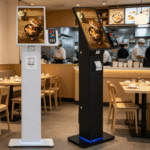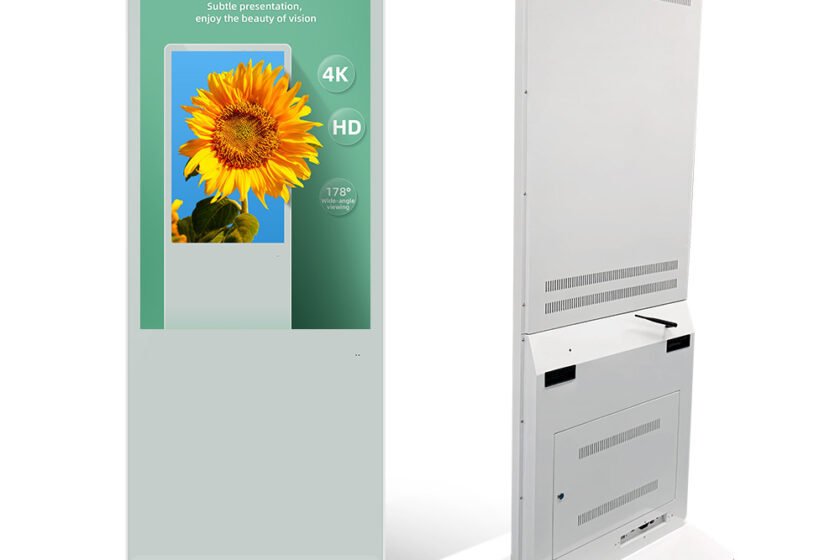
Digital Signage for Indoor Environments
The landscape of visual communication has undergone a radical transformation leading into 2026. Traditional static posters are no longer sufficient to capture the attention of modern consumers. Indoor digital signage has emerged as the gold standard for delivering dynamic and relevant messaging. These high-resolution screens allow businesses to interact with their audience in real-time. Whether in a retail store or a corporate lobby, digital displays provide unparalleled flexibility.
Effective communication in 2026 relies on the ability to update content instantly. Indoor digital signage allows for the seamless integration of video, live feeds, and interactive elements. This technology helps bridge the gap between digital and physical spaces. By using vibrant colors and high-contrast panels, brands can ensure their message is seen. Choosing the right display involves understanding both technical specifications and environmental constraints.
Research shows that moving images attract significantly more attention than static imagery. In fact, digital displays can increase customer engagement by over 400% in busy environments. This massive leap in visibility directly correlates with higher brand retention rates. Modern indoor digital signage solutions are designed to operate efficiently under artificial lighting. They offer the brightness and clarity needed to stand out in crowded indoor settings.
Why is Indoor Digital Signage Essential for Modern Businesses?
The primary reason for adopting indoor digital signage is the measurable impact on consumer behavior. Studies indicate that 80% of customers enter a store because they were attracted by digital signage. Once inside, these displays continue to guide the customer journey. Digital screens can highlight promotions, provide directions, or share brand stories. This creates a cohesive and immersive environment that static media cannot replicate.
From a financial perspective, digital displays reduce long-term operational costs. Printing and shipping new physical posters for every campaign is expensive and wasteful. With indoor digital signage, you can update your entire network with a single click. This agility allows businesses to respond to market trends or inventory changes immediately. In 2026, being slow to communicate means losing competitive advantage.
Digital signage also enhances the perceived value of a brand. High-tech displays suggest that a company is innovative and professional. Furthermore, data shows that digital signage can increase average sales volume by up to 33%. This ROI makes it a logical investment for any business with a physical footprint. Indoor digital signage serves as a silent salesperson that never takes a break.
What Are the Technical Requirements for Indoor Digital Signage?
Selecting the right hardware is critical for long-term success. Unlike consumer TVs, professional indoor digital signage screens are built for continuous operation. They often feature 16/7 or 24/7 run-time ratings. These displays utilize industrial-grade components that resist “image burn-in” over time. They also provide higher brightness levels, typically measured in nits, to combat indoor glare.
1.Resolution and Clarity in 2026
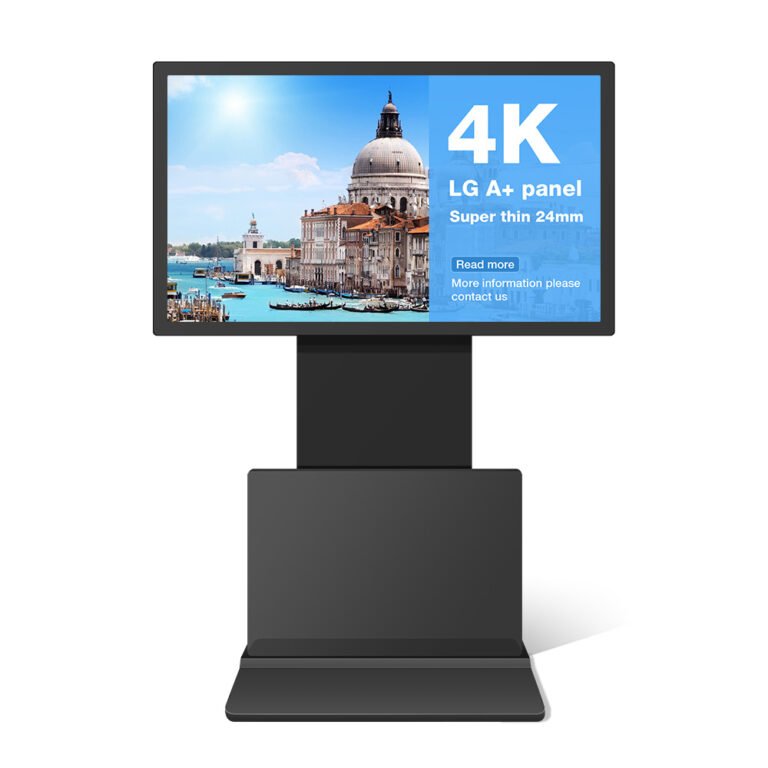
In 2026, 4K resolution has become the standard for most indoor applications. High pixel density ensures that text is legible even from a close distance. This is especially important for menu boards or informational kiosks. Indoor digital signage with high resolution creates a premium aesthetic. It allows for the display of intricate graphics without visible pixelation.
2.Connectivity and Smart Integration
Connectivity is another essential pillar of modern signage. Most professional displays now include integrated Wi-Fi and Bluetooth modules. This allows them to connect to a cloud-based Content Management System (CMS). A robust CMS enables remote scheduling and monitoring of all screens. Indoor digital signage that supports “System on Chip” (SoC) technology eliminates the need for external media players.
3.Durability and Aesthetics
Indoor environments vary from climate-controlled offices to humid shopping malls. Therefore, the build quality of the display must match the environment. Slim bezels are highly preferred in 2026 to create a modern look. Many indoor digital signage units also feature tempered glass for added protection in high-traffic areas. The physical design should complement the interior architecture of the space.
How to Optimize Content for Indoor Digital Signage?
Having the best hardware is useless without compelling content. Indoor digital signage requires a strategic approach to visual design. Content should be concise and easy to digest within a few seconds. High-contrast color schemes work best for readability under indoor lighting. It is important to avoid cluttering the screen with too much information at once.
1.The Power of Motion and Timing
Motion graphics are a key advantage of digital platforms. Subtile animations can draw the eye without being distracting. However, overly aggressive movement can irritate viewers in a professional setting. The timing of content loops should align with the average dwell time of the audience. For instance, a lobby display might have a longer loop than a hallway screen.
2.Personalization and Data-Driven Content
In 2026, data-driven content is a major trend for indoor digital signage. Screens can display real-time social media feeds or local weather updates. Some advanced systems even use sensors to change content based on who is watching. This level of personalization increases the relevance of the message. Relevant content is much more likely to drive the desired user action.
| Feature | Static Signage | Indoor Digital Signage |
| Update Speed | Days or Weeks | Real-time |
| Content Type | Text/Images Only | Video/Live Feeds/Interactivity |
| Engagement Rate | Low | High (up to 400% higher) |
| Long-term Cost | High (Recurring Print) | Low (Software Managed) |
| Analytics | Impossible to Track | Real-time Viewer Data |
How to Evaluate the Best Indoor Digital Signage Solutions for Your Brand?
Choosing a provider requires a clear understanding of your specific spatial needs. You must first determine the primary goal of your installation. Is it for wayfinding, brand awareness, or direct sales? Once the goal is defined, look for hardware that offers the necessary brightness and size. Evaluating the diverse range of indoor digital signage options is a vital step in this process.
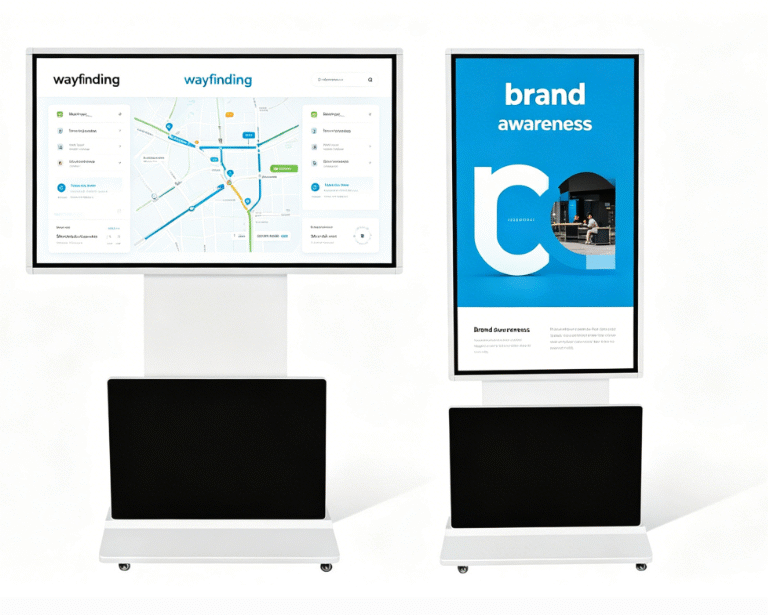
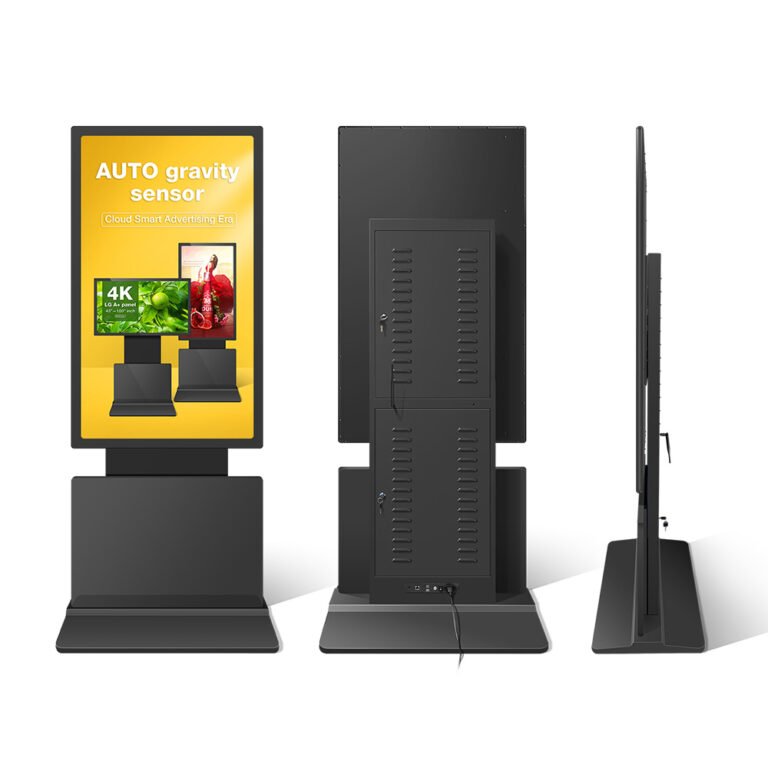
Consider the mounting requirements for your specific indoor environment. Wall-mounted screens are excellent for saving space in narrow corridors. Floor-standing kiosks are better for interactive engagement in open areas. You should also verify the compatibility of the hardware with your preferred CMS. A seamless integration between hardware and software reduces future technical headaches. Reliability should be your top priority when comparing different models.
Technical support and warranty terms are also essential evaluation criteria. High-quality indoor digital signage should come with at least a three-year warranty. Ensure the manufacturer provides clear documentation for installation and maintenance. By focusing on quality and compatibility, you ensure a high return on investment. The right choice will serve as a foundational tool for your business for years to come.
Summary
Indoor digital signage is a powerful tool for modern communication. It offers dynamic content delivery, higher engagement rates, and long-term cost savings compared to static signs. By selecting the right hardware and optimizing content for 2026 standards, businesses can significantly enhance their brand presence and drive measurable sales growth.
PRO TIP
When deploying indoor digital signage, always prioritize “Day 2” operations during the planning phase. This means considering how easily your team can update content and maintain the hardware after the initial installation. A user-friendly CMS and high-quality industrial displays will save hundreds of hours in troubleshooting over the lifespan of the system.
FAQ
1. What is the most effective screen size for indoor digital signage?
The most effective size depends entirely on the viewing distance and the room dimensions. For small retail sections, 32-inch or 43-inch displays are often sufficient. In large lobbies or transit hubs, 55-inch to 75-inch screens are preferred for better visibility. Always ensure the screen is proportional to the surrounding architecture to maintain a professional appearance.
2. Can I use a standard home television for indoor digital signage?
Using a home TV is not recommended for professional business environments. Consumer TVs are not designed for long operating hours and may fail within months. Indoor digital signage displays feature cooling systems and internal components built for 16/7 or 24/7 use. Furthermore, professional screens offer higher brightness and better warranties for commercial use.
3. How often should I update the content on my indoor displays?
Content should be updated regularly to keep the audience engaged. For retail environments, weekly or even daily updates are ideal to reflect new promotions. For corporate offices, monthly updates might be sufficient for general news. Using a cloud-based CMS makes these frequent updates simple and efficient for any team.
4. Is professional installation necessary for indoor digital signage?
While some plug-and-play models are easy to set up, professional installation is often safer. Large displays require secure mounting to prevent accidents in public spaces. Professionals also ensure that wiring is hidden and that the screen is perfectly calibrated for the environment. This leads to a cleaner look and better long-term performance.
Reference Sources