Is the 3D Hologram Display the Future of Digital Signage?
The world of digital signage is constantly evolving, driven by the relentless pursuit of visual impact and consumer engagement. In a crowded marketplace where traditional flat screens struggle to capture fleeting attention, innovative technologies are essential for creating memorable brand experiences. Among these breakthroughs, the 3D hologram display stands out as a revolutionary force, transcending the limitations of two-dimensional screens to project vivid, realistic, three-dimensional content that appears to float in mid-air. This technology dramatically alters the landscape of retail advertising, trade show exhibits, and public information displays. For product users in the digital signage, marketing, and event management sectors, understanding the underlying principles, unique features, and application potential of the 3D hologram display is critical to future-proofing their communication strategies and achieving unparalleled audience draw. This article delves into the captivating world of holographic signage, exploring its mechanics and immense market value.
The Technology Behind the Captivating Illusion
The magic of the 3D hologram display lies in its clever manipulation of light and persistence of vision, creating an illusion so compelling that it appears genuinely three-dimensional without the need for specialized glasses.
How the Holographic Fan Creates Floating Images
The most common and commercially viable type of 3D hologram display utilizes a rapidly spinning blade system—often referred to as a holographic fan or propeller. This blade system is equipped with densely packed arrays of LEDs (Light Emitting Diodes). When the blades spin at high speed, the viewer’s persistence of vision—the phenomenon where the human eye retains an image for a fraction of a second after its source is gone—blurs the physical blades into invisibility. Simultaneously, the LEDs flash precise color sequences as the blade rotates, generating a seamless, full-color, volumetric image that appears to hover in the space swept by the fan. Consequently, this simple, yet ingenious, mechanical design produces astonishingly realistic 3D effects, capturing attention instantly.
Volumetric Display vs. Traditional 3D
It is important to distinguish the 3D hologram display from conventional stereoscopic 3D screens. Traditional 3D requires the viewer to wear glasses to separate the images delivered to each eye. In contrast, the holographic fan creates a true volumetric display; the image occupies a defined volume of space and can be viewed from nearly any angle, often resulting in a superior, more naturalistic depth perception. This feature allows for the display of complex product models, logos, or animations that genuinely appear to exist in the real world, eliminating the barrier of needing special viewing equipment.
Transforming the Digital Signage Landscape
The visual impact delivered by the 3D hologram display provides significant strategic advantages that are fundamentally changing how brands communicate with their customers.
Achieving Unprecedented Customer Engagement
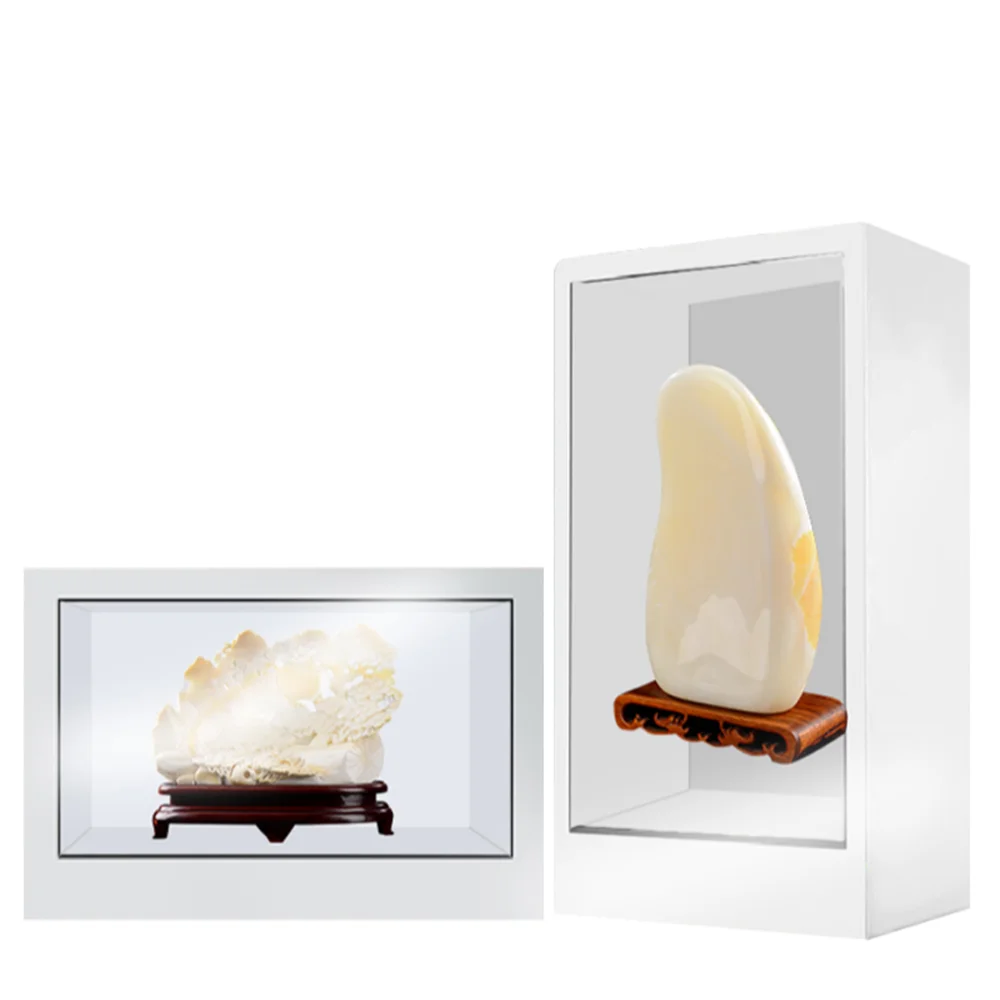
The human brain is naturally drawn to motion and unusual visual phenomena. A product spinning and rotating in mid-air, generated by a 3D hologram display, creates a “wow” factor that flat screens simply cannot match. This heightened curiosity translates directly into increased dwell time and higher engagement rates in retail environments, shopping malls, and airports. For brands, this technology offers an opportunity to showcase complex products—such as watches, jewelry, electronics, or even architectural models—in an interactive, highly detailed 3D format that is impossible to ignore. Therefore, the device acts as an exceptional marketing magnet.
Ideal Applications in Retail and Trade Shows
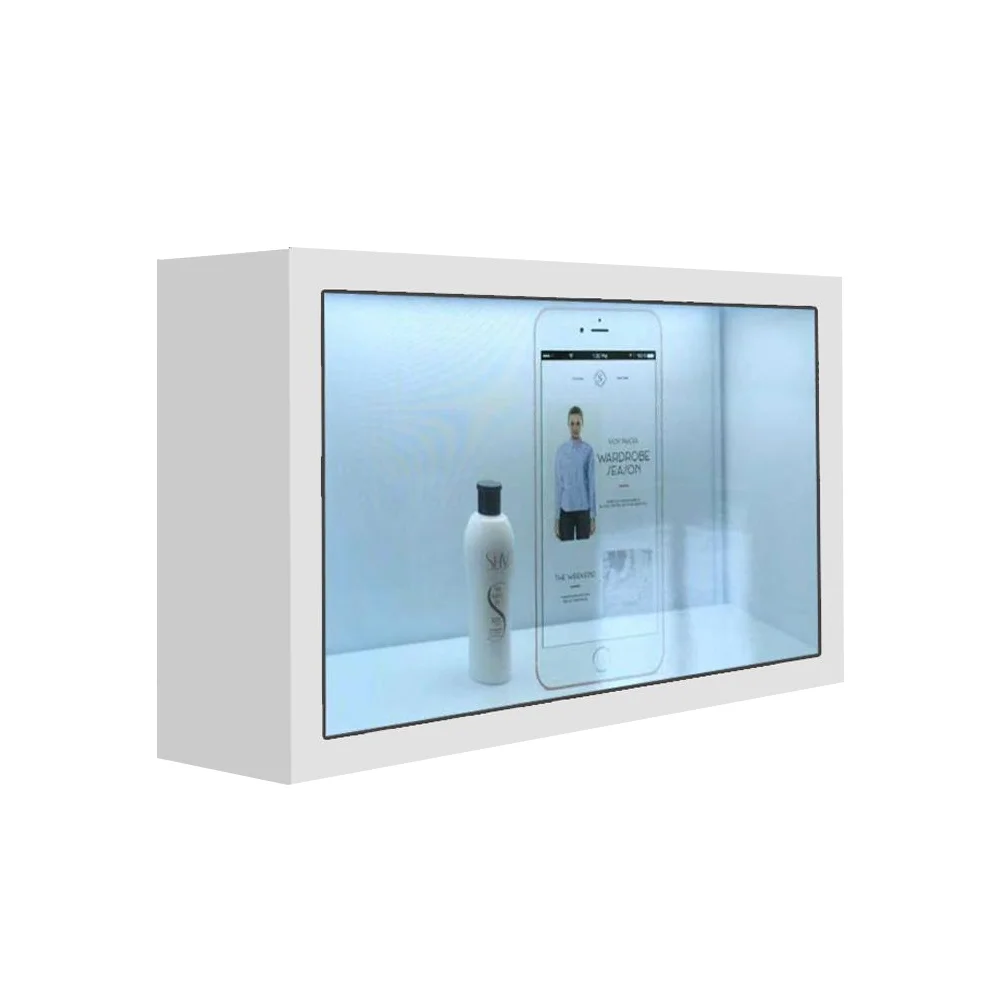
In retail, the 3D hologram display is ideally positioned near high-value products or promotional areas to explain features or present key messages dynamically. Imagine a sneaker rotating, highlighting its sole technology, or a cosmetics bottle floating, emphasizing its premium packaging. Similarly, at trade shows, the holographic projection serves as a powerful centerpiece, distinguishing a booth from competitors and drawing crowds naturally. Furthermore, these units are highly scalable and portable, allowing for flexible deployment across various temporary and permanent installations, thus maximizing the return on investment for the digital signage platform.
Integration, Content Management, and Value
Integrating the 3D hologram display into existing digital signage networks and managing the specialized content are practical considerations that determine its long-term viability and success.
Seamless Network Integration and Control
Modern 3D hologram display units are designed for straightforward installation and content management. They typically support cloud-based content uploading and centralized control through standard Wi-Fi or Bluetooth connectivity. This allows content managers to update 3D animations, schedule display times, and monitor the operational status of multiple units remotely, minimizing on-site maintenance requirements. The ability to integrate these eye-catching displays into a wider network of traditional screens ensures that the holographic element can act as the flagship visual centerpiece within a synchronized communication campaign.
Creating Optimized 3D Content
While the hardware is impressive, the content is king. Creating effective 3D content for the 3D hologram display requires specialized knowledge, typically involving 3D modeling and animation software to produce videos with transparent or black backgrounds. The design must account for the display’s size and resolution, ensuring the object appears correctly sized and the illusion of depth is maintained. When content is optimized for the specific viewing parameters of the holographic fan, the result is a stunningly realistic projection that maximizes the perceived value of the product being advertised, offering a distinct edge over standard flat media.
Conclusion
The 3D hologram display technology represents a seismic shift in the digital signage landscape, offering an unprecedented level of visual engagement and curiosity-driven interaction. By converting flat media into vivid, volumetric projections that appear to hang weightlessly in space, it provides marketers and retailers with a powerful tool to cut through the noise of conventional advertising. For users committed to leveraging the most advanced digital display solutions, adopting the 3D hologram display is a strategic move that future-proofs their ability to capture attention, enhance brand perception, and drive consumer action in any highly competitive public environment.
FAQ
Q1: Do viewers need special glasses to see the images on a 3D hologram display?
No, viewers do not need any special glasses to perceive the three-dimensional effect created by the 3D hologram display. The technology uses persistence of vision and rapidly flashing LEDs on spinning blades to create a true volumetric image that can be viewed naturally from multiple angles, making it highly accessible and engaging.
Q2: What are the main limitations of the holographic fan type of 3D hologram display?
The main limitations of the fan-based 3D hologram display include the physical size constraint of the projected image (limited by the blade diameter), the need for safe installation clearance around the spinning blades, and the fact that the image is generally best viewed in darker or indoor environments to ensure maximum contrast and visual clarity.
Q3: Is it possible to synchronize multiple 3D hologram display units?
Yes, professional-grade 3D hologram display systems are designed with synchronization capabilities. Multiple units can be linked together and centrally controlled to display one large, continuous holographic image or pattern, significantly increasing the visual scale and impact for large venue installations, such as long retail window displays or exhibition halls.