How Does a Display Box Transparent Revolutionize Retail Experiences?
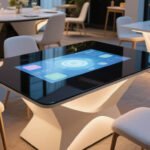
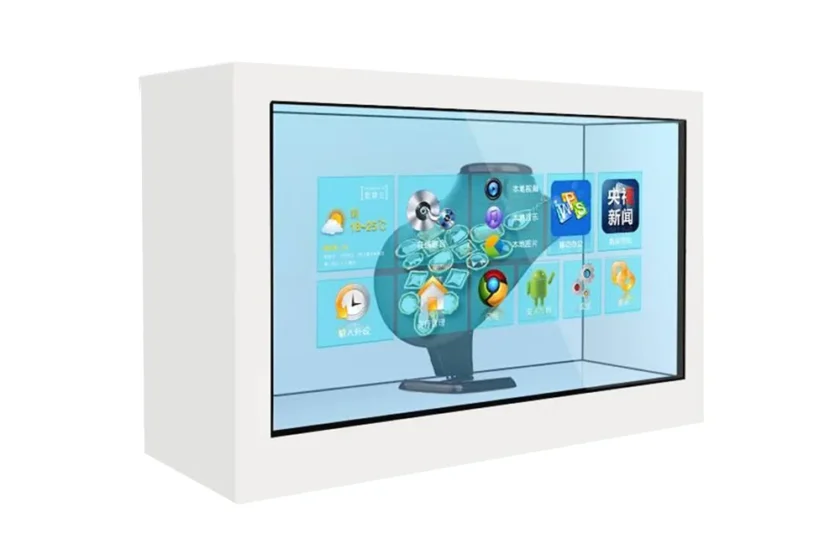
The contemporary retail environment is engaged in a constant quest for innovative solutions that can bridge the gap between physical products and digital engagement. Traditional signage and static displays often fail to capture the attention of the digitally native consumer. However, the emergence of the display box transparent technology is reshaping the landscape of in-store promotion and digital merchandising. This sophisticated display integrates a translucent screen into a physical case, creating a captivating visual experience where real-world objects placed inside are enhanced and contextualized by dynamic digital overlays. For digital signage professionals, this technology represents a powerful new tool capable of transforming passive viewing into active interaction. Understanding the deep integration of hardware, software, and content strategy necessary to deploy the display box transparent effectively is essential for maximizing its potential to drive consumer interest and sales.
Understanding the Core Technology and Its Unique Value
The uniqueness of the display box transparent is not simply visual; it is rooted in engineering innovation that allows light to pass through the screen while simultaneously rendering high-definition imagery. This dual capability fundamentally changes how products are marketed.
The Engineering Principles of Transparency
The magic behind the see-through capability of the display box transparent often relies on advanced OLED or transparent LCD technology. In these screens, the pixel structure is optimized to be largely non-opaque when inactive. Unlike standard screens, these displays do not have a heavy, solid polarizing layer or a fixed backlight that blocks light. Instead, the structure permits ambient light to pass through, allowing the object behind the screen to be clearly visible. When the display is powered, the selectively lit pixels project graphics, creating an augmented reality effect right in front of the viewer’s eyes. This allows for rich, layered informational delivery without ever fully obscuring the product being featured.
Creating Phygital Engagement Through Overlay Content
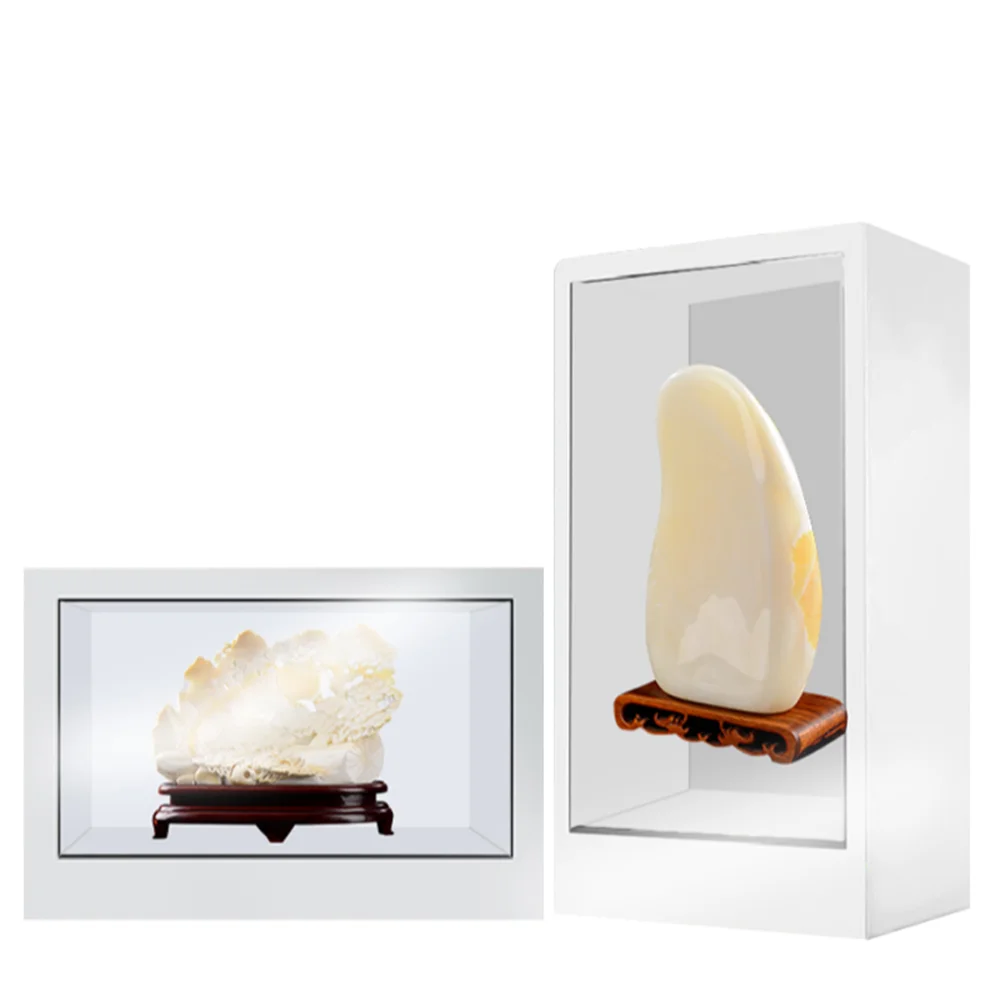
The true strategic value derived from the display box transparent lies in its ability to facilitate a seamless “phygital” experience—the convergence of physical and digital marketing. By using carefully designed content, marketers can overlay technical specifications, animated demonstrations, brand storytelling, or even countdown timers directly onto a physical product like a new gadget or a jewelry item. This technique allows for complex product features to be explained visually, transforming a simple static product viewing into an interactive narrative. The ability to control the digital narrative surrounding a physical product ensures a consistent and impactful brand message is delivered at the point of decision.
Strategic Deployment Across High-Value Sectors
The versatile nature of the display box transparent makes it an ideal solution for sectors where product appeal and detailed information transfer are critical success factors. Its applications extend far beyond general retail.
Elevating the Customer Journey in Retail and Showrooms
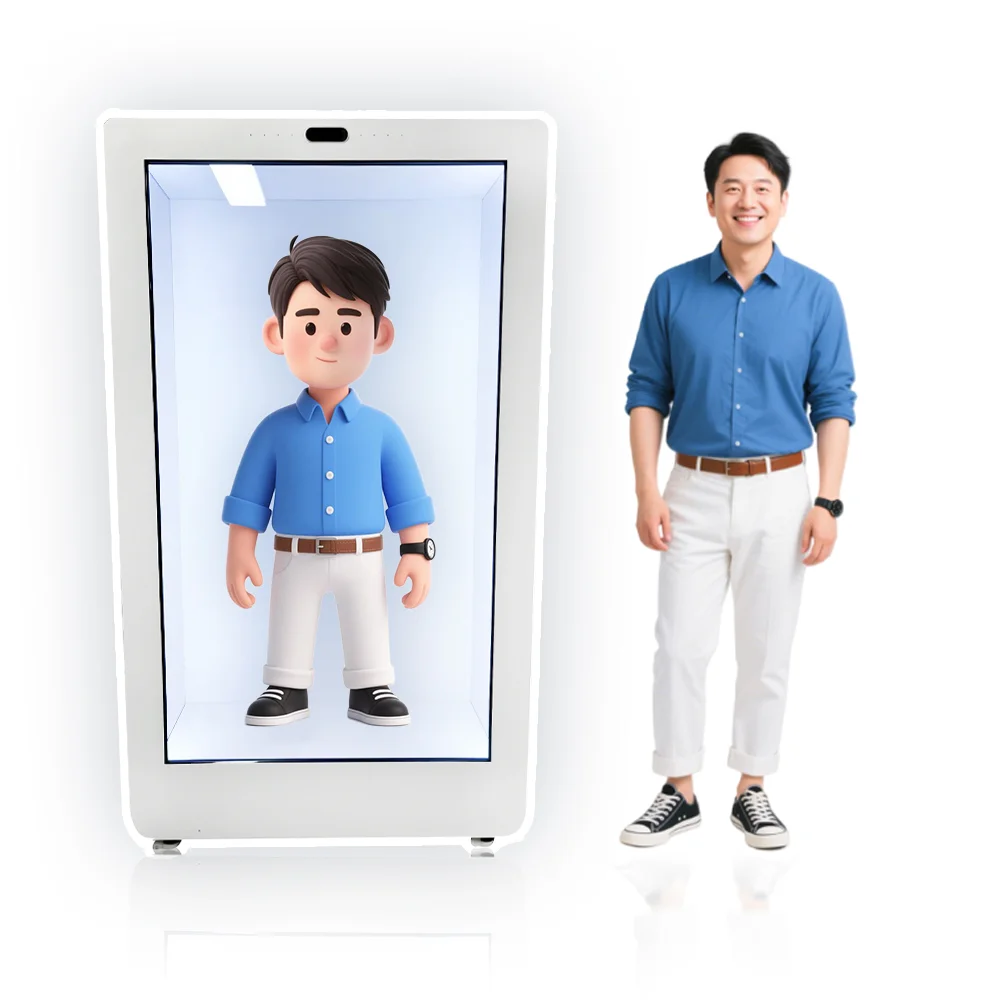
In high-end retail, the display box transparent is used to showcase items such as luxury handbags, limited-edition watches, or cutting-edge electronics. The transparent display acts as a high-tech centerpiece, drawing attention to the product. Here, the overlay content can cycle through different color options, demonstrate the product’s functions via 3D animation, or provide social proof through user testimonials. This interactive approach significantly enhances the perceived value and premium nature of the merchandise, moving the consumer further along the purchase journey. Furthermore, by placing the item inside the enclosure, it provides necessary physical security without sacrificing visual accessibility.
Innovative Use in Corporate and Educational Environments
Beyond consumer sales, the transparent box has found indispensable roles in corporate showrooms and educational settings. Corporations use the display box transparent to illustrate complex internal mechanisms of industrial parts, prototypes, or technical equipment during B2B presentations. An intricate server component, for example, can be animated with data flow diagrams overlaid directly onto its physical structure. Similarly, universities and technical museums employ this technology to provide context to artifacts or scientific models, making complex concepts more digestible and visually captivating for students and visitors. This emphasis on clarity and engagement fulfills a significant need in information-intensive environments.
Essential Considerations for Optimal Display Performance
Successful implementation of the display box transparent requires more than just purchasing the hardware; it necessitates strategic planning focused on environment, content, and maintenance.
Critical Management of Ambient Lighting Conditions
Ambient light remains the single greatest challenge to transparent display visibility. Since the display relies on light passing through it, too much direct sunlight or bright overhead lighting can significantly reduce the contrast, making the digital content appear faded. Therefore, installation planning for the display box transparent must involve controlled lighting within the enclosure and careful placement to avoid direct sun exposure. Often, specialized directional lighting is integrated within the box to perfectly illuminate the physical product while minimizing glare on the transparent screen itself, ensuring both the object and the digital content are vibrant.
The Importance of Tailored Content Design
The content created for a display box transparent must differ significantly from standard digital signage video. Effective transparent content utilizes negative space, focusing on borders, outlines, text, and specific highlights, allowing the viewer’s eye to still see the object clearly. Overly busy or full-screen videos defeat the purpose of the transparency. Procurement and content teams must collaborate to ensure the graphical elements are minimalist, high-contrast, and perfectly aligned with the physical product’s dimensions and positioning, maximizing the augmented reality effect. This precise content alignment is key to unlocking the technology’s full potential.
Conclusion
The display box transparent is far more than a novelty; it is a sophisticated, high-impact tool that is fundamentally redefining digital signage and product visualization. By masterfully blending the tangible presence of a physical product with the dynamic capabilities of digital media, it creates an unparalleled level of consumer engagement in retail, corporate, and educational environments. For digital signage product users, adopting this technology represents a clear commitment to innovative, high-value communication. Strategic management of content and environment will ensure that the display box transparent continues to be a cornerstone of future-proof, immersive marketing strategies.
FAQ
Q1: What are the typical material options for the enclosure of a transparent display box?
The enclosure for a display box transparent is typically constructed from high-quality, durable materials designed for aesthetics and protection. Common materials include tempered glass for a premium finish and enhanced durability, or high-grade acrylic (plexiglass) for lighter weight and impact resistance. The choice of material often depends on the installation environment, security needs, and the overall desired visual aesthetic of the product showcase.
Q2: Does the transparent display box require special software to run the content?
While the display box transparent can often be driven by standard media players and common content management systems (CMS), specialized software is frequently used to maximize its unique capabilities. This specialized software is generally required for precisely mapping and aligning the digital graphics to the physical object inside the box and for creating interactive touch experiences. The content itself, however, is typically created using standard design tools like Adobe After Effects or specialized 3D rendering programs.
Q3: How does the display box transparent enhance security for high-value items in retail?
The display box transparent effectively enhances security by providing a locked, physical barrier around the high-value item while maintaining 360-degree visual appeal. Because the item is contained within a secure enclosure, it reduces the risk of theft or damage from handling. Furthermore, the high-tech appearance and sophisticated digital interaction discourage unauthorized tampering, making it an ideal method for secure, yet visually accessible, merchandising.