Buy the Best Transparent Display Box for Collectibles
Choosing the right transparent display box has evolved from a simple storage decision into a strategic investment in visual storytelling. In 2026, the demand for sophisticated presentation has moved beyond standard acrylic into the realm of transparent display box for collectibles featuring 3D holographic overlays. Whether you are a high-end collector or a retail manager, the goal remains the same: ensuring 360-degree visibility while protecting sensitive items from environmental damage. I have seen many professionals make the mistake of choosing boxes based purely on size, only to find that poor light transmission or lack of UV protection diminishes the value of the display. This guide analyzes the technical requirements for a modern transparent display box, focusing on how to balance digital holographic effects with physical security. By understanding these core principles, you can create an immersive viewing experience that transforms a static object into a dynamic focal point.
Essential Features of a Transparent Display Box for Collectibles
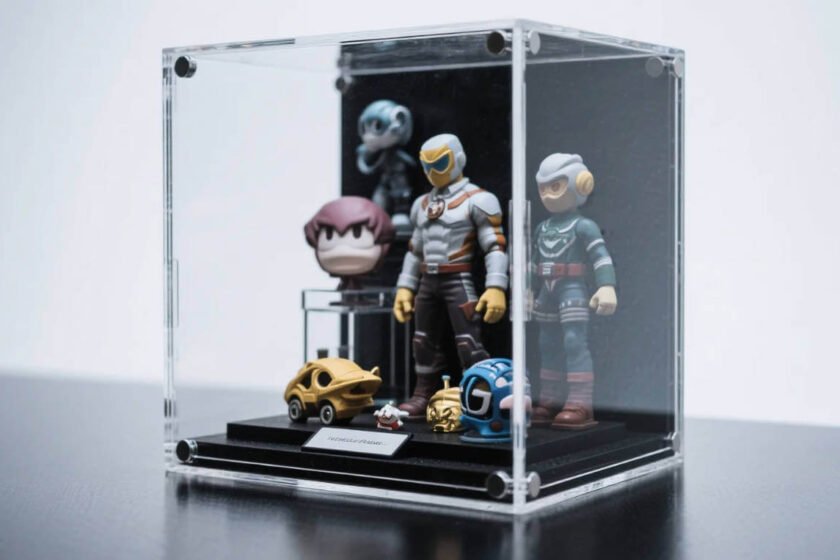
The primary purpose of a transparent display box for collectibles is to safeguard the item without creating a visual barrier. In 2026, the gold standard for these enclosures involves high-purity materials that offer over 92% light transmission. This level of clarity is essential for showcasing intricate details on rare coins, premium figures, or luxury watches.
UV Protection and Material Longevity
A professional-grade transparent display box for collectibles must provide specialized UV-filtering. Exposure to natural or artificial light can lead to “photodegradation,” which causes colors to fade and materials like leather or plastic to become brittle. I recommend looking for boxes specifically rated for 90% or higher UV blockage to ensure your high-value assets remain in museum-quality condition for decades.
Structural Integrity and Shatter Resistance
Safety is a non-negotiable aspect of any transparent display box for collectibles. While traditional glass is elegant, tempered glass or high-impact acrylic is preferred for its shatter-resistant properties. These materials absorb shocks better and, in the rare event of a break, do not shatter into dangerous shards that could scratch the internal collectible.
Seamless Construction and Dust Prevention
A high-quality transparent display box should feature polished, seamless edges to prevent visual distortion at the corners. Dust infiltration is another major concern for long-term displays. Ensure the box uses high-tolerance joints or internal gaskets that create an airtight seal, reducing the need for frequent cleaning and minimizing the risk of handling-related damage.
The Rise of Holographic 3D Transparent LCD Technology
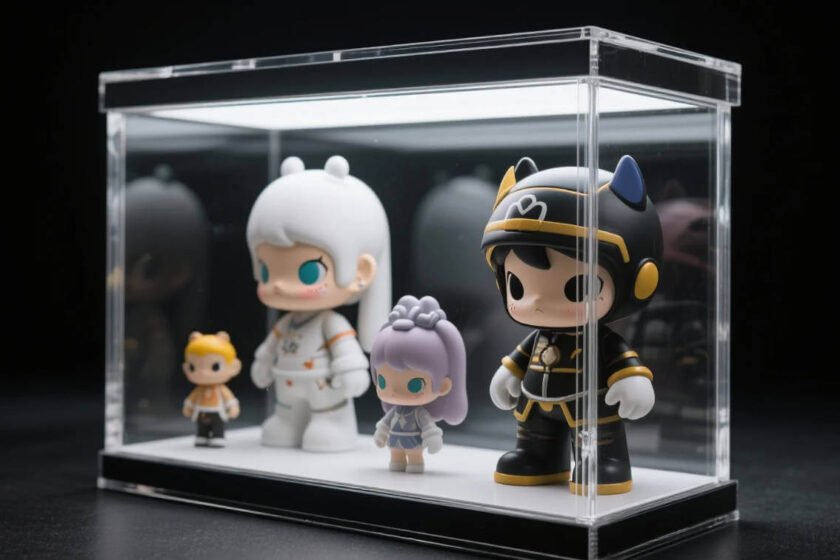
The most significant advancement in the transparent display box market is the integration of holographic LCD screens. This technology allows digital content—such as rotating text, specs, or floating animations—to be layered directly over the physical object. It creates a “virtual-real fusion” that captures the attention of viewers far more effectively than traditional static cases.
How Holographic Overlays Enhance Value
Using a transparent display box equipped with a holographic 3D display allows you to tell the story of the item. For a retail environment, this might mean displaying the craftsmanship process behind a luxury handbag. For a collector, it could involve showing a 3D model of the item’s historical context. This interactivity increases the perceived value of the item and encourages longer “dwell times” from passersby.
Technical Calibration for Maximum Clarity
To get the best results from a holographic transparent display box, the internal lighting must be perfectly calibrated. Unlike standard monitors, transparent LCDs rely on the backlighting within the box to make the pixels visible. Professional systems in 2026 utilize adjustable LED arrays that allow you to balance the transparency of the screen with the brightness of the physical object inside.
Content Management and Customization
Modern holographic boxes are now integrated with cloud-based CMS (Content Management Systems). This allows users to update the digital animations on their transparent display box via a smartphone or computer. Being able to change the “digital aura” around a collectible makes the display feel fresh and relevant, even as your collection grows or your marketing campaign shifts.
Best Practices for Installing Your Transparent Display Box
Proper placement of a transparent display box is just as important as the technology itself. You must consider the ambient light in the room to prevent glare, which can obscure both the physical item and the digital content. Placing the box at eye level ensures that the holographic 3D effects are seen from the intended viewing angle for maximum stereoscopic impact.
Managing Heat and Ventilation
High-performance electronic components in a holographic transparent display box generate heat. Without proper ventilation, this heat can build up and potentially damage sensitive collectibles like wax figures or autographed items. I always suggest selecting boxes that feature hidden micro-vents or low-heat LED technology to maintain a stable internal temperature.
Cable Management and Aesthetic Integration
For a clean, professional look, your transparent display box should have an integrated cable management system. Power cables for the LCD and lighting should be routed through the base or rear of the unit to remain invisible to the viewer. This creates the illusion that the holographic content is floating in mid-air, enhancing the “wow factor” of the display.
Choosing the Right Hardware for Your Environment
When deciding on a specific unit, you must choose between different transparency tiers and display formats. For those seeking the highest level of interaction, the Holographic 3D Transparent LCD Advertising Display offers a robust solution for medium-sized items. If your space requires a more compact or uniquely styled enclosure, the Standard 3D Transparent LCD Box provides the same high-resolution digital overlay in a versatile form factor.
Assessing Internal Clearance and Spacing
A common mistake is selecting a box that is too small for the item. The “Golden Rule” of a transparent display box for collectibles is to allow at least 2-3 cm of clearance on all sides. This space allows for better light circulation and ensures the item does not look “crammed,” which can detract from its visual prestige.
Connectivity and Smart Features
In 2026, look for boxes that support 4K resolution and high-speed Wi-Fi connectivity. This ensures that your holographic videos run smoothly without lag or pixelation. Smart boxes that can be scheduled to turn off at night or react to motion sensors are also highly recommended to save energy and extend the lifespan of the LCD panel.
Summary of Transparent Display Selection
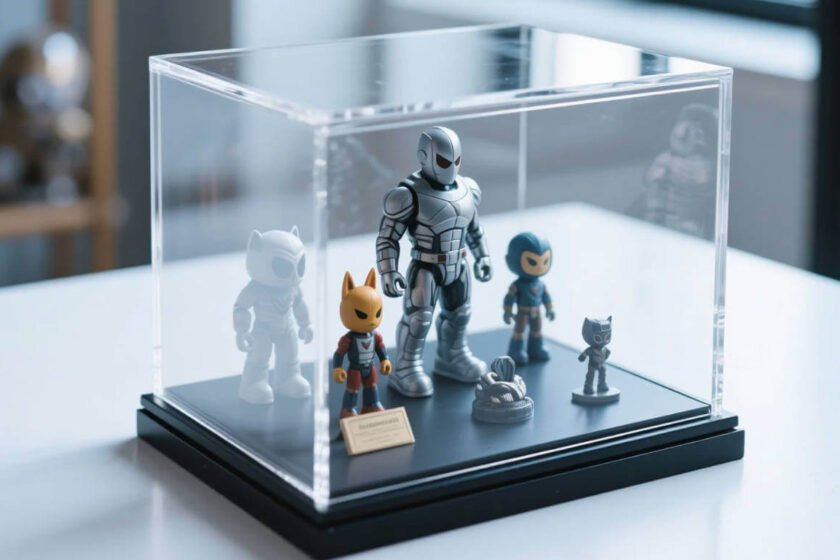
Choosing a transparent display box requires a balance between physical protection and digital innovation. By selecting a transparent display box for collectibles with UV-resistant materials and holographic LCD technology, you can protect your assets while creating a stunning visual experience. Focus on material clarity, thermal management, and 4K digital capabilities to ensure your display remains a world-class centerpiece in 2026.
FAQ
1. Is a transparent display box better than a traditional glass case?
Yes, because a modern transparent display box offers features glass cannot provide, such as integrated holographic digital overlays and UV-filtering acrylic. While glass is traditional, high-grade acrylic and LCD-integrated boxes provide better impact resistance and the ability to display dynamic information directly on the viewing surface.
2. Can I use a transparent display box for collectibles in direct sunlight?
It is not recommended, even with UV protection. While many high-quality transparent display box for collectibles units filter 90% of UV rays, direct sunlight can still cause heat buildup inside the box. Furthermore, bright ambient light can wash out the digital holographic content on the screen, making the animations harder to see.
3. Do holographic transparent displays require special video files?
Yes, for the best effect, videos should have a pure black background. In a transparent display box, black pixels are rendered as “transparent,” which is what creates the illusion of objects floating in mid-air. Most professional suppliers will provide a guide on how to format your content for their specific LCD panels.
4. How do I clean a transparent display box without scratching it?
You should only use a clean, ultra-soft microfiber cloth and an ammonia-free cleaner specifically designed for acrylic or treated glass. Avoid paper towels or standard glass cleaners, as these can contain abrasives that create micro-scratches on the surface of your transparent display box, eventually clouding the view.
5. How much electricity does a transparent display box use?
A typical transparent display box with an LCD screen is very energy-efficient, often consuming less power than a standard computer monitor. In 2026, most units use eco-friendly LED backlighting and high-efficiency panels that can be programmed with “sleep modes” to further reduce energy consumption during off-hours.
Reference Sources
International Council of Museums (ICOM) – Standards for Object Display
Display Supply Chain Consultants (DSCC) – Transparent Display Trends
Society for Information Display (SID) – Advancements in Transparent LCD