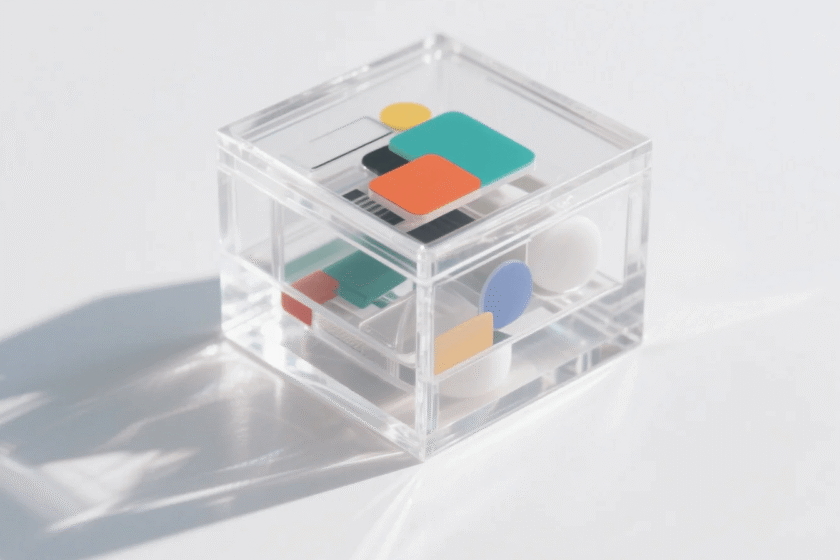
Is a Transparent Box for Display Better for Sales?
In the rapidly shifting world of digital signage, capturing the consumer’s gaze requires more than just high-definition screens; it demands an immersive experience that bridges the gap between digital content and physical reality. A transparent box for display represents the pinnacle of this innovation, offering a unique solution where a physical product can be viewed through a digital overlay. Unlike traditional monitors that block the view behind them, these specialized showcases utilize transparent LCD or OLED technology to play vivid graphics, videos, and information while keeping the object inside perfectly visible. This dual-layer presentation creates a “holographic” effect that naturally draws people in, making it an invaluable tool for luxury retail, museums, and high-end electronics launches. By integrating a transparent box for display into a storefront or exhibition, businesses are not just showing a product; they are telling its story in real-time. This technology effectively solves the problem of information overload by presenting data in an organized, visually stunning manner that complements the physical item rather than distracting from it.
The Technical Mechanics Behind Transparency in Digital Signage
Understanding how a transparent box for display functions is essential for users looking to optimize their visual marketing. At its core, the technology removes the traditional backlight unit found in standard LCDs. Instead, it relies on ambient light or an integrated internal lighting system within the box to illuminate the pixels. When the screen displays white, it becomes nearly transparent, allowing the viewer to see the product inside. Conversely, dark or colored pixels block the light, creating the floating digital images. Consequently, the quality of the internal LED lighting is paramount, as it provides the necessary contrast to make the digital content pop against the physical background. By utilizing high-transmittance panels, a professional transparent box for display ensures that the colors remain saturated and the edges of the graphics stay sharp, even when the background is brightly lit.
Optimized Lighting Control and Internal Environment
The internal environment of a transparent box for display must be meticulously managed to ensure consistent performance. High-brightness LED strips are typically installed along the inner top or sides of the cabinet to provide a uniform glow. This internal light source is what allows the LCD panel to function effectively without a standard backlight. Furthermore, heat management is a critical factor for long-term reliability. Professional units incorporate silent cooling fans or heat dissipation vents to ensure that the sensitive electronic components and the displayed product remain at a safe temperature. This attention to thermal stability ensures that the transparent box for display can operate 24/7 in a busy retail environment without the risk of pixel degradation or hardware failure.
Interactive Integration and Touchscreen Capabilities
One of the most powerful features available in a modern transparent box for display is the addition of capacitive touch technology. By turning the front glass into a responsive interface, users can interact directly with the digital content. For example, a customer could tap the glass to change the color of the product being displayed inside or swipe to see detailed technical specifications. This level of interactivity transforms the transparent box for display from a passive viewing tool into an active engagement station. For industries like high-end watchmaking or jewelry, this allows the brand to provide a deep dive into the craftsmanship of the piece without the need for a salesperson to be present at every moment.
Content Design and Visual Optimization Strategies
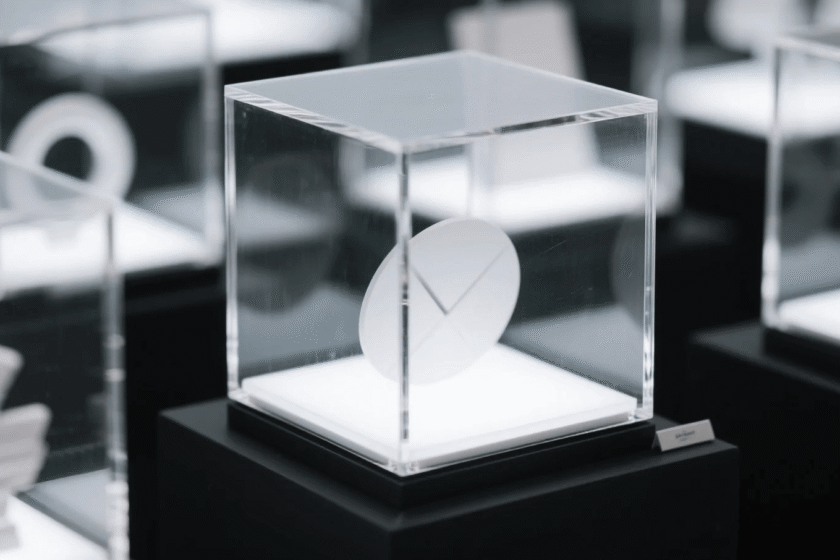
Creating content for a transparent box for display requires a different approach than standard digital billboards. Designers must utilize the “transparency” aspect by using white or light-colored backgrounds for areas they want to remain see-through. Darker colors and high-contrast imagery are used to highlight specific features or display text. Moreover, the placement of digital elements must align perfectly with the physical product inside the transparent box for display to create a cohesive narrative. By using motion graphics that “interact” with the product—such as digital sparks flying off a physical watch—brands can create a sense of magic and wonder that sticks in the mind of the consumer long after they have left the store.
Strategic Applications Across Diverse Industries
The versatility of the transparent box for display allows it to serve multiple sectors beyond traditional retail. In museums, these boxes can house fragile artifacts while displaying historical context or 3D reconstructions directly on the glass, protecting the item while educating the visitor. In the corporate world, a transparent box for display can be used in lobbies to showcase awards or new product prototypes, reflecting a brand’s commitment to innovation and transparency. Regardless of the setting, the goal remains the same: to create a premium focal point that enhances the perceived value of the object within. By choosing the right size and resolution, users can tailor the experience to fit anything from a small perfume bottle to a large piece of industrial machinery.
Enhancing Luxury Retail and High-End Showrooms
In the luxury sector, the presentation is often as important as the product itself. A transparent box for display adds a layer of exclusivity and “tech-forward” appeal that resonates with modern affluent consumers. It allows brands to maintain a minimalist aesthetic while still providing a wealth of information through digital overlays. For a flagship store, installing a series of transparent box for display units creates a futuristic atmosphere that distinguishes the brand from competitors. This technology doesn’t just display a product; it elevates it to a piece of art, justifying premium price points and reinforcing the brand’s position at the cutting edge of retail technology.
Educational and Museum Exhibition Innovation
Museums and galleries are increasingly turning to the transparent box for display to modernize their exhibits. The ability to overlay digital labels, translations, and animations on top of a physical artifact solve the common problem of “label clutter.” Instead of reading a static card next to an object, visitors can watch a digital reconstruction of how an ancient tool was used while looking at the tool itself through the transparent box for display. This multi-sensory approach has been shown to increase visitor retention and engagement, making complex historical or scientific concepts much more accessible to the general public.
Commercial Events and Product Launches
During trade shows or product launches, standing out in a crowded hall is a constant struggle. The glowing, futuristic look of a transparent box for display is a natural crowd-puller. It provides a “wow” factor that encourages attendees to stop, take photos, and share their experience on social media. For marketers, this means organic brand exposure. The portability of many transparent box for display models makes them ideal for temporary installations, allowing brands to bring high-impact digital signage to pop-up shops or international exhibitions with ease. This flexibility ensures that the investment continues to provide value across various marketing channels and events.
Conclusion
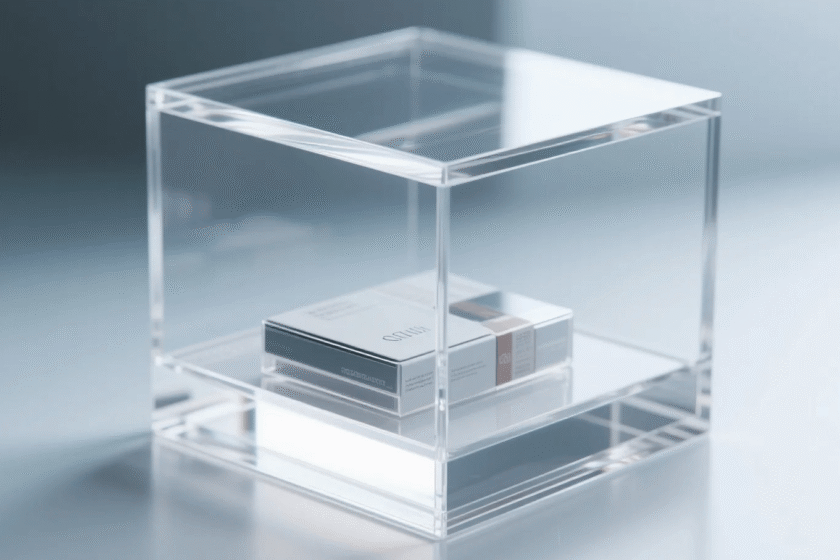
The transparent box for display is far more than a novelty; it is a sophisticated tool that addresses the core needs of modern visual communication. By seamlessly blending the physical and digital worlds, it offers a level of engagement that traditional screens simply cannot match. From technical excellence in lighting and touch integration to its diverse applications in retail and education, this technology provides a clear path to increased brand impact and consumer interest. As digital signage continues to evolve, the transparent box for display will undoubtedly remain at the forefront, helping businesses tell their stories with clarity, innovation, and style. Investing in this technology is not just about staying current; it is about taking a proactive step toward a more interactive and transparent future in product presentation.
FAQ
Q1: Does a transparent box for display require special lighting in the room?
While a transparent box for display can work in most environments, it performs best in controlled lighting. Since the screen relies on internal or ambient light to show the product, extremely bright sunlight directly on the front glass might wash out the digital images. However, professional units from SVDisplay come with high-intensity internal LED lighting designed to overcome most indoor ambient light, ensuring that your transparent box for display remains vibrant and clear in retail or office settings.
Q2: Is it difficult to create content for a transparent display?
Creating content for a transparent box for display is quite similar to standard video production, with one major difference: color management. In a transparent LCD, white pixels represent total transparency, while black pixels are opaque. Therefore, you simply need to design your videos with the knowledge of which areas you want to be see-through. Most users find that using a black background for text and high-contrast colors for graphics produces the best results when using a transparent box for display.
Q3: What sizes are available for a transparent box for display?
At SVDisplay, we offer a wide range of sizes to suit different needs. A transparent box for display can be as small as 10 inches for jewelry or watches, and as large as 86 inches or more for flagship retail installations or museum centerpieces. Choosing the right size depends on the physical dimensions of the product you wish to showcase and the viewing distance of your audience. We can also provide custom cabinet designs to ensure the transparent box for display fits perfectly into your existing store fixtures.