Is the Self Service VEIP Kiosk Revolutionizing Vehicle Registration?
The push toward greater efficiency and accessibility in government and public services has catalyzed the adoption of sophisticated self-service technologies. Within the realm of vehicle regulation and environmental compliance, the self service veip kiosk represents a significant step forward. VEIP, which stands for Vehicle Emissions Inspection Program, involves critical compliance checks that historically required time-consuming visits to designated centers. This specialized kiosk integrates robust digital signage displays, secure transactional capabilities, and real-time network connectivity to allow citizens to complete inspection reporting, registration renewals, and fee payments independently. For integrators and government technology providers, understanding the modularity and security requirements of this platform is essential. The self service veip kiosk fundamentally redefines citizen interaction, reducing wait times, expanding service hours, and increasing overall compliance rates by bringing government services closer to the public. This comprehensive article will analyze the core technological stack, the security protocols, and the deployment strategies that make this automated solution indispensable in the modern digital service landscape.
Technological Infrastructure: Integrating Digital Signage and Secure Processing
The efficacy of the self service veip kiosk relies on a powerful fusion of high-grade digital signage hardware and secure processing backend infrastructure.
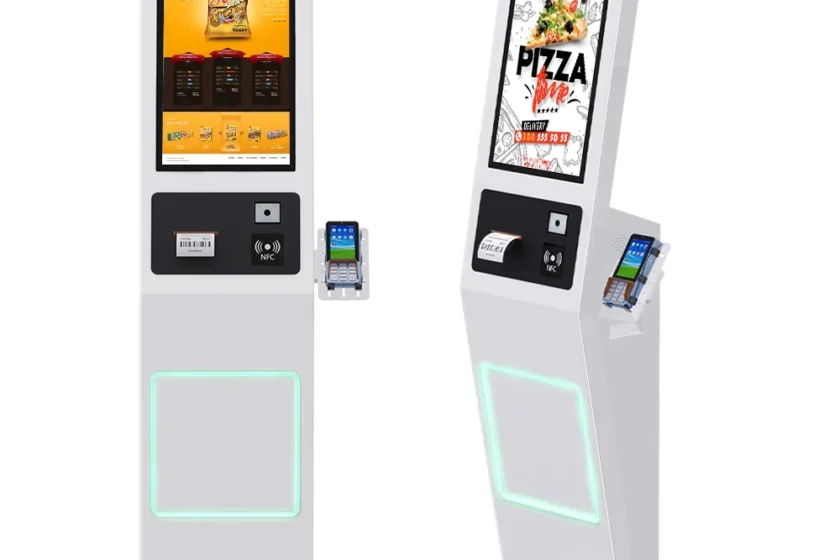
At the user interface level, the system features durable, high-brightness commercial-grade touchscreens, which function as the primary digital signage display, guiding the user through multi-step processes via an intuitive graphical interface. These displays are often sunlight-readable and vandal-resistant, ensuring reliable operation in various outdoor and indoor environments. The core processing unit houses an industrial-grade computer, robust enough to handle simultaneous tasks such as accessing secure state databases, processing encrypted payment transactions, and managing peripherals like license plate scanners and receipt printers. Crucially, seamless network connectivity, typically via secure VPN or dedicated cellular links, is mandatory for real-time validation of vehicle data and emissions status. The entire system architecture of the self service veip kiosk is designed for 24/7 reliability, minimizing downtime and maximizing citizen access to essential vehicle services.
Enhancing User Experience Through Intuitive Design
The success of any public-facing technology, including the self service veip kiosk, is measured by its usability; therefore, the ergonomic and software design must be intuitive and accessible to all users.
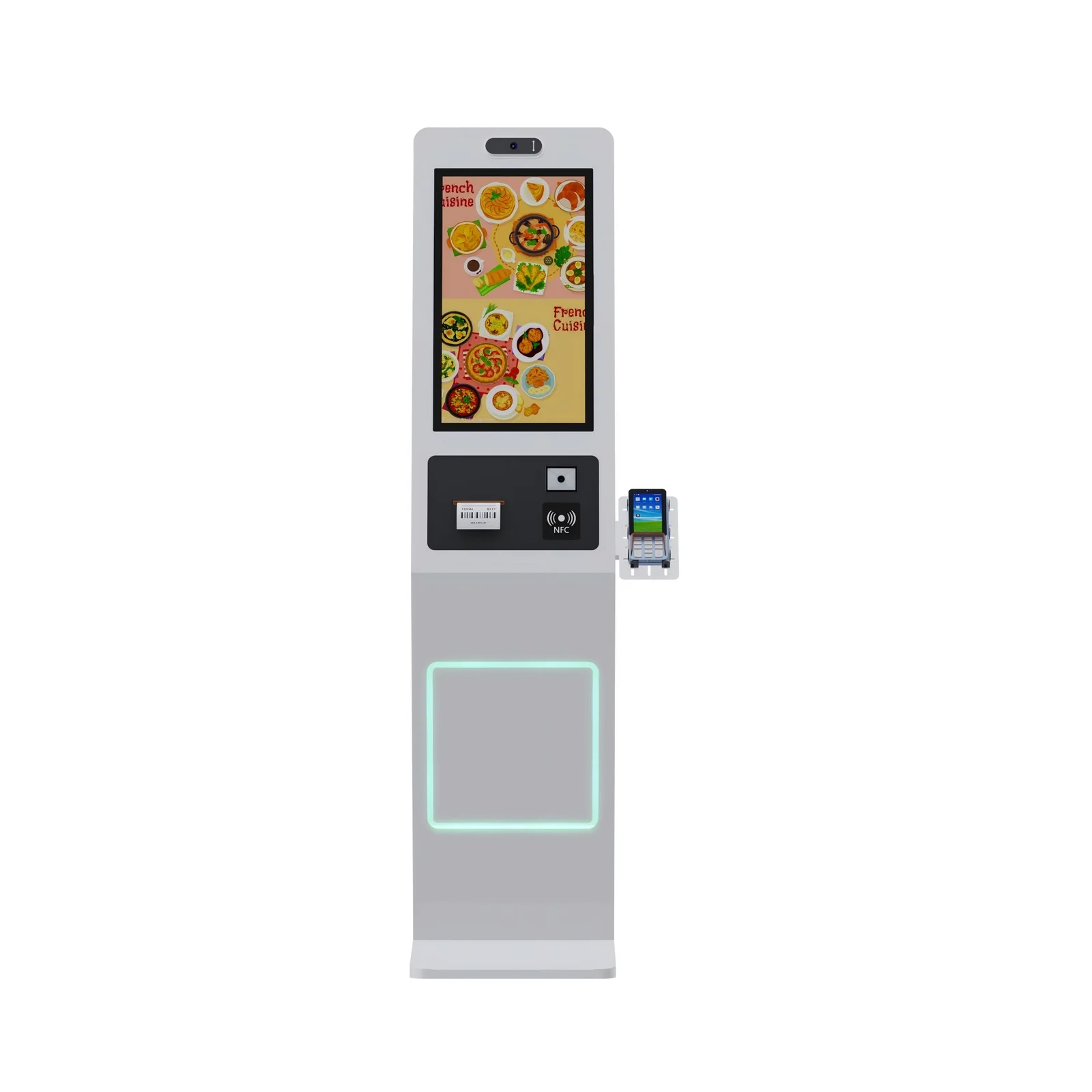
The physical enclosure is designed to meet ADA (Americans with Disabilities Act) compliance standards, ensuring screen heights and input methods are accessible to users with mobility challenges. The user flow software is engineered using principles of clear communication, employing large, easy-to-read fonts and high-contrast color schemes, leveraging the digital signage capability for maximum clarity. Furthermore, the transaction process is broken down into easily navigable steps, utilizing progress bars and clear feedback messages to reduce user anxiety and confusion. For instance, after a VEIP report is successfully uploaded, the self service veip kiosk provides an immediate digital receipt and often prints a physical proof of registration, reinforcing the completion of the task. This focus on simplified, step-by-step guidance is paramount to achieving high adoption rates among diverse demographic groups.
Security and Compliance: Ensuring Data Integrity
Given that the self service veip kiosk handles sensitive personal information and secure financial transactions, stringent security and compliance measures are non-negotiable elements of its design.
Physical security is maintained through robust, tamper-proof steel enclosures and internal monitoring sensors that alert authorities to any attempts at vandalism or intrusion. On the digital front, the system must comply with PCI DSS (Payment Card Industry Data Security Standard) regulations for handling credit and debit card information. All data transmission between the kiosk and government servers is encrypted using industry-standard protocols, typically 256-bit SSL/TLS. Furthermore, the kiosk utilizes multi-factor authentication procedures for administrative access and robust logging features to maintain an auditable trail of all transactions and system activities. This layered security approach ensures that the convenience offered by the self service veip kiosk is never compromised at the expense of citizen privacy or regulatory adherence.
Operational Benefits for Government and Citizenry
The deployment of the self service veip kiosk offers transformative operational benefits, streamlining administrative duties for government agencies while significantly improving service quality for the public.
For government agencies, these kiosks decentralize service delivery, reducing the heavy foot traffic and personnel requirements at centralized Motor Vehicle Administration (MVA) offices. The automated nature of the transactions ensures consistency and eliminates human error in data entry and calculation. The resulting efficiency allows government staff to focus on more complex, personalized citizen needs rather than routine processing. For the citizen, the benefits are immediately tangible: services become available 24/7, located in high-traffic, convenient areas like grocery stores or shopping centers. This expansion of access fundamentally reduces the time commitment and logistical hassle associated with vehicle compliance, leading to higher levels of citizen satisfaction and increased voluntary compliance with emissions and registration deadlines.
Future Trends and Technological Evolution
The evolution of the self service veip kiosk is moving toward even greater integration, predictive maintenance, and expanded biometric verification methods.
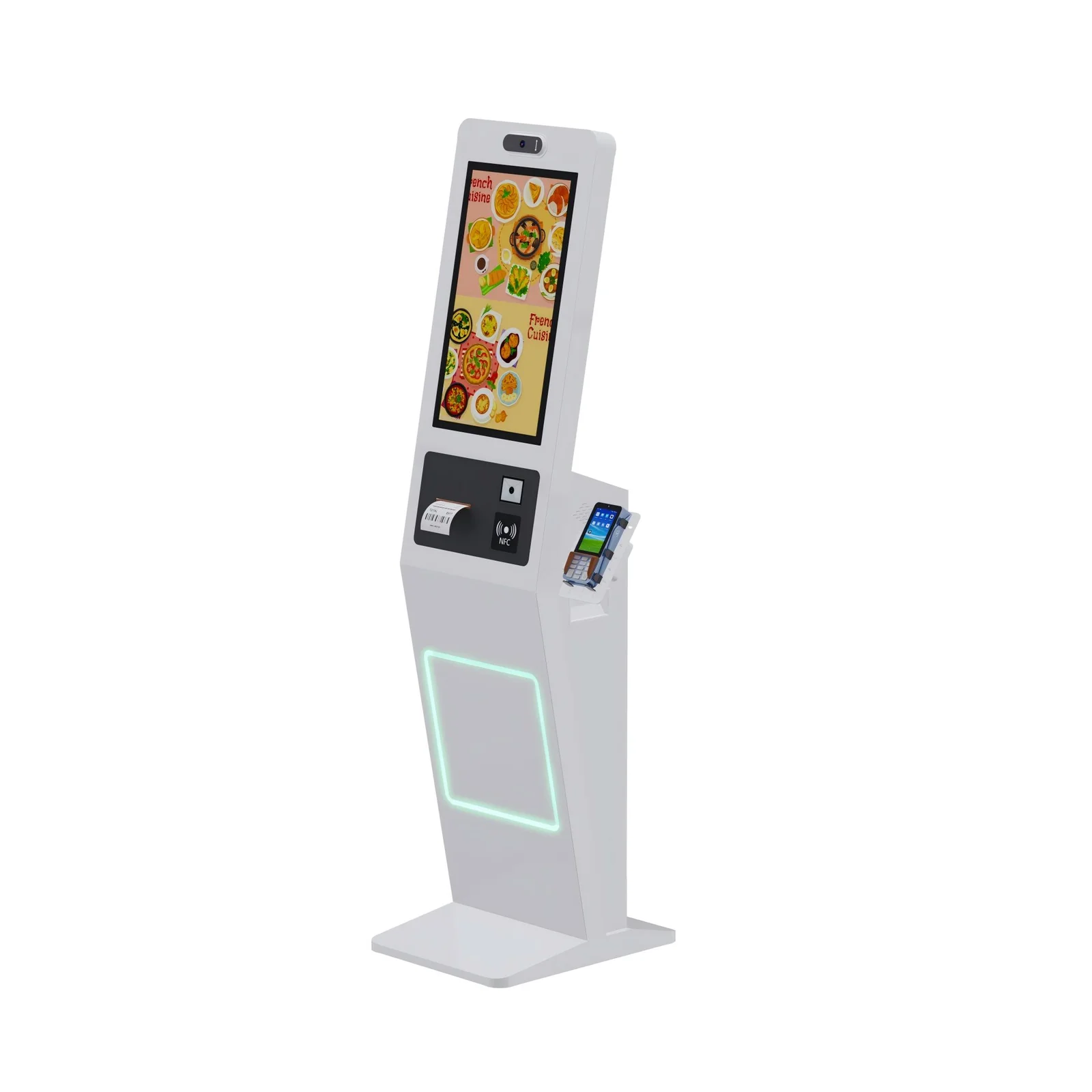
Future iterations are expected to incorporate advanced AI and machine learning for predictive maintenance, allowing the system to flag potential component failures (like low paper or excessive heat) before they lead to service disruption. Biometric scanning, such as secure ID or fingerprint verification, could further streamline the identity validation process required for sensitive transactions, making the use of the self service veip kiosk even faster and more secure. Furthermore, integration with smartphone applications will enable citizens to pre-populate necessary data fields before arriving at the kiosk, minimizing on-site interaction time. As digital signage technology continues to advance, future self service veip kiosk units will feature larger, more interactive displays that provide richer, real-time information, further solidifying their role as indispensable public service gateways.
Frequently Asked Questions (FAQ)
Q1: What is the primary function of the self service veip kiosk?
The primary function of the self service veip kiosk is to provide citizens with a secure, automated point where they can process routine vehicle-related tasks, such as validating emissions inspection compliance, renewing vehicle registration, and paying associated fees, without requiring assistance from government staff.
Q2: Where are self service veip kiosk units typically deployed?
These kiosks are strategically deployed in easily accessible, high-traffic locations outside of traditional government offices, such as shopping centers, large grocery stores, and dedicated motor vehicle administration satellite centers, ensuring 24/7 accessibility for citizens.
Q3: How does the self service veip kiosk ensure the security of payment information?
The self service veip kiosk adheres to strict security standards, including PCI DSS compliance for all payment processing. It utilizes robust encryption (such as 256-bit SSL/TLS) for all data transmission and features tamper-resistant hardware enclosures to protect sensitive citizen and financial data.