Self Ordering Kiosk for Restaurants: The New Standard for Service?
The modern restaurant landscape is defined by speed, efficiency, and a seamless customer experience. For digital signage product users and technology integrators targeting the food service sector, few solutions offer a more transformative impact than the self ordering kiosk for restaurants. These interactive touchpoints are rapidly evolving beyond mere transactional devices; they are sophisticated digital platforms that leverage high-definition displays and intuitive software to revolutionize the way customers interact with menus and place orders. In an era where labor costs are rising and customer patience is diminishing, the adoption of a reliable self ordering kiosk for restaurants is not just an upgrade, but a strategic necessity. This comprehensive analysis will delve into the technical mechanisms, operational benefits, and strategic implications of integrating these powerful tools, providing essential insights for businesses aiming to enhance their service delivery and profitability through advanced digital solutions.
The Technological Foundation: Digital Signage Meets Transactional Power
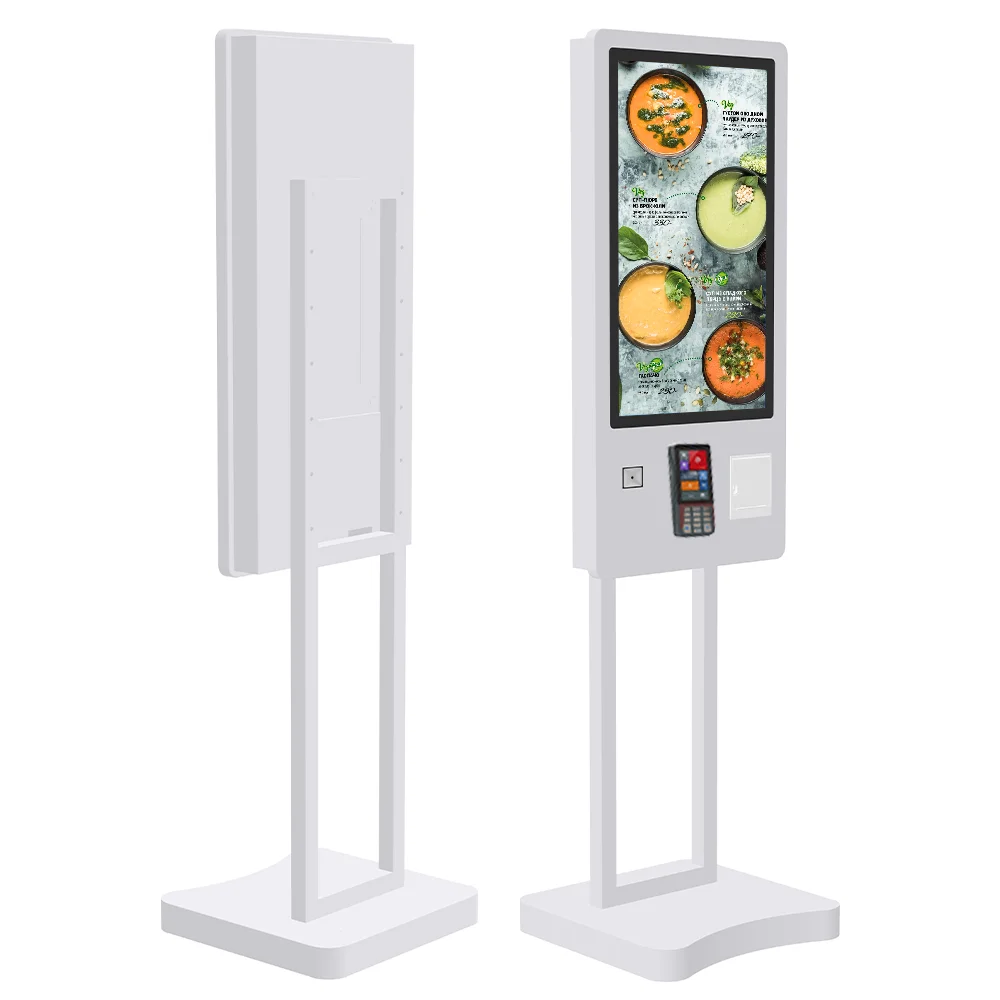
The successful operation of a self ordering kiosk for restaurants relies heavily on the core principles of advanced digital signage technology. Kiosks are essentially interactive digital displays housed within a durable enclosure, utilizing commercial-grade components designed for continuous public use. Their reliability is paramount, as any system failure directly halts the ordering process and frustrates customers.
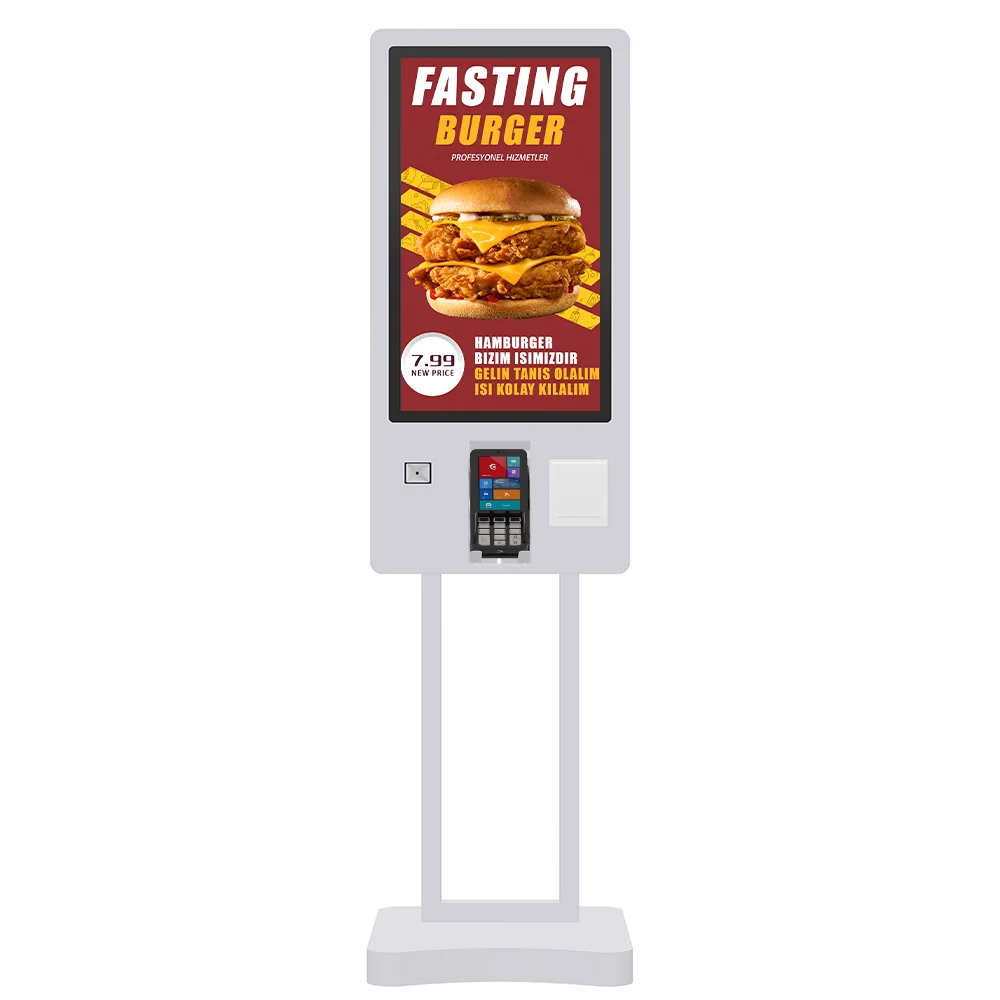
Key technical specifications that differentiate a high-quality kiosk include high-brightness, vandal-resistant touchscreens, industrial-grade computing power, and integrated payment processing hardware. The display quality must be exceptional, offering vibrant colors and sharp resolution to accurately showcase food imagery, which is a critical sales driver. Furthermore, the enclosure design must be robust enough to withstand spills, constant interaction, and potential physical impact common in high-traffic restaurant environments. Thus, the hardware integration in a self ordering kiosk for restaurants must meet far more stringent durability standards than typical information display screens.
Enhancing Sales Through Interactive Menu Presentation
One of the most significant advantages of using a self ordering kiosk for restaurants lies in its dynamic menu capabilities. Unlike static menu boards, the digital interface allows for rapid content updates, real-time pricing adjustments, and, most importantly, strategic upselling. The interactive nature facilitates immediate visual cues, allowing users to effortlessly explore different meal combinations, customize orders, and view high-quality images of every item.
This visual and interactive presentation is a documented driver of increased average order value (AOV). The kiosk can be programmed to proactively suggest add-ons—a dessert after a main course selection or a larger beverage size—at the precise moment the customer commits to an item. Because customers often feel less rushed by a machine than by a human cashier, they are more inclined to browse and accept these suggestions. Consequently, the strategic deployment of the interactive interface transforms the ordering process into an effective, automated sales engine for the restaurant.
Operational Efficiency and Customer Experience Optimization
Beyond sales generation, the primary role of the self ordering kiosk for restaurants is to fundamentally restructure the service workflow, resulting in measurable operational improvements and an elevated customer experience.
Reducing Queues and Improving Throughput
The most immediate impact of implementing a self ordering kiosk for restaurants is the significant reduction in queue times and the improved throughput capacity. By shifting the order-taking function from human staff to self-service terminals, the bottleneck at the traditional counter is largely eliminated. Multiple customers can browse and finalize their orders simultaneously, which is especially critical during peak meal times.
This efficiency allows human employees to be reallocated to crucial service roles, such as food preparation, quality control, and table service. Therefore, the kiosk doesn’t displace staff; it shifts labor toward higher-value activities that directly impact food quality and overall dining atmosphere. By accelerating the order input process, the entire kitchen workflow is streamlined, leading to faster service times, higher customer satisfaction, and the ability for the restaurant to handle greater volumes of traffic without requiring costly expansion of the physical space.
Minimizing Order Errors and Enhancing Accuracy
Customer satisfaction is heavily reliant on receiving the correct order. Human error in order taking, especially under pressure, is a frequent cause of customer complaints and wasted food costs. A self ordering kiosk for restaurants minimizes this issue by placing the responsibility for input accuracy squarely on the customer.
Customers directly input their choices, substitutions, and special requests, which are then transmitted electronically straight to the kitchen display system (KDS). This direct link bypasses the human interpretation stage entirely. The digital nature ensures that complex modifications, such as allergies or specific dietary requirements, are clearly communicated and documented. This enhanced accuracy leads to fewer remakes, lower material waste, and, most importantly, a reliable service experience that builds customer loyalty.
Strategic Data Insights and Future-Proofing
For restaurant owners and digital signage providers, the value of the self ordering kiosk for restaurants extends far into data collection and long-term strategic planning. These devices are sophisticated data collection tools that provide actionable insights unattainable through traditional methods.
Unlocking Customer and Operational Data
Every interaction on the self ordering kiosk for restaurants generates valuable data: which menu items are viewed most often, which promotional banners receive clicks, the time taken to complete an order, and the success rate of upselling prompts. This granular level of data allows management to move beyond simple sales reports and understand true customer behavior.
For example, by analyzing purchase patterns across different times of the day, a restaurant can optimize its labor scheduling, accurately predict inventory needs, and refine promotional strategies. The data can highlight underperforming menu items that need visual enhancement or items that should be removed entirely. Utilizing this real-time feedback loop ensures that menu design, pricing, and promotional efforts are constantly optimized based on hard data, maximizing profitability and return on investment for the kiosk hardware.
Scalability and Integration into the Digital Ecosystem
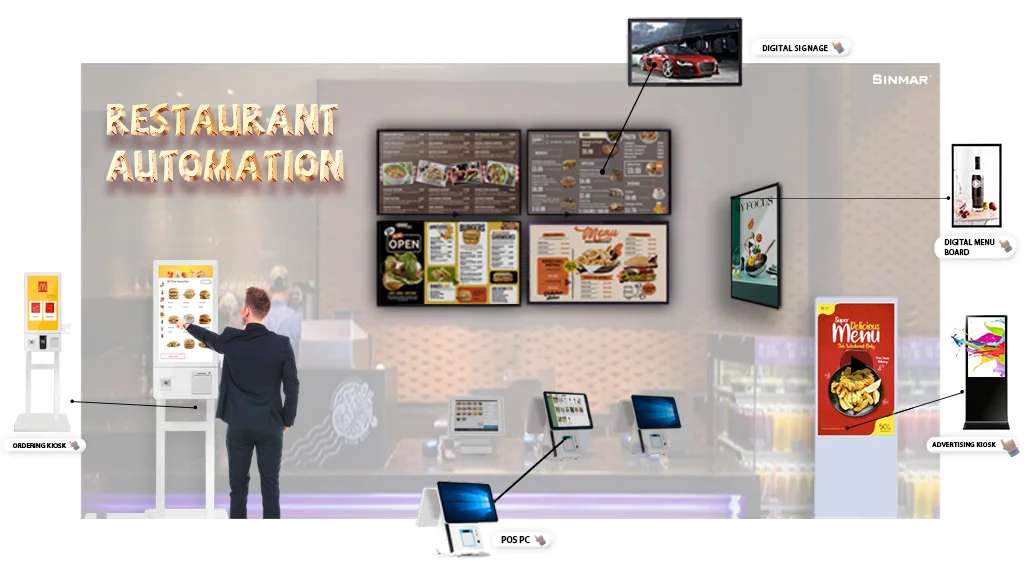
The modern self ordering kiosk for restaurants is designed to be a seamless part of a larger digital ecosystem. They must integrate effortlessly with existing point-of-sale (POS) systems, kitchen display systems (KDS), inventory management software, and customer loyalty programs. This integration ensures a unified flow of information across the entire operation.
Furthermore, these kiosks are inherently scalable. A restaurant can start with one or two units and easily expand as traffic increases. For digital signage product users, this means providing a solution that can grow with the client’s business, offering long-term partnership opportunities. The ability of the kiosk to support multiple languages and accessibility features also future-proofs the investment, allowing the restaurant to cater to a broader customer base and meet evolving regulatory requirements.
Conclusion: Transforming Service Through Digital Interaction
The self ordering kiosk for restaurants has solidified its position as a critical technology in the food service industry. By effectively merging robust digital signage hardware with sophisticated transactional software, these systems deliver a superior customer experience, dramatically enhance operational efficiency, and generate invaluable sales data. For restaurants seeking to navigate the challenges of rising costs and competitive pressure, and for digital signage professionals looking to offer a high-impact solution, the kiosk represents the definitive path toward a smarter, faster, and more profitable service model. The future of restaurant service is undoubtedly self-service, driven by the power and precision of the interactive digital kiosk.
FAQ (Frequently Asked Questions)
Q: Are self ordering kiosks difficult to integrate with existing POS systems?
A: Modern self ordering kiosk for restaurants are specifically designed for seamless integration. Most solutions use open APIs or established middleware to connect with major POS platforms. While setup requires careful configuration, the process is generally straightforward and is critical to ensuring orders are processed correctly and revenue is accurately tracked.
Q: What is the average lifespan of a self ordering kiosk display in a restaurant environment?
A: Due to the use of commercial-grade components and industrial-standard LCD/LED panels, a high-quality self ordering kiosk for restaurants is designed for a long lifespan, typically ranging from 5 to 7 years or more, under continuous daily use. Key factors influencing longevity include the quality of the internal cooling system and the durability of the touchscreen technology.
Q: How do self ordering kiosks help in managing staff shortages?
A: The primary benefit is reallocation of labor. By handling the repetitive task of order taking, the self ordering kiosk for restaurants frees up existing staff. This allows restaurants to maintain high service levels during staff shortages by deploying human employees to more critical roles, such as ensuring food quality, preparing orders quickly, or providing personalized customer support, thereby maximizing the efficiency of the smaller team.