How to Scale ROI with Self Order Kiosks Restaurants ?
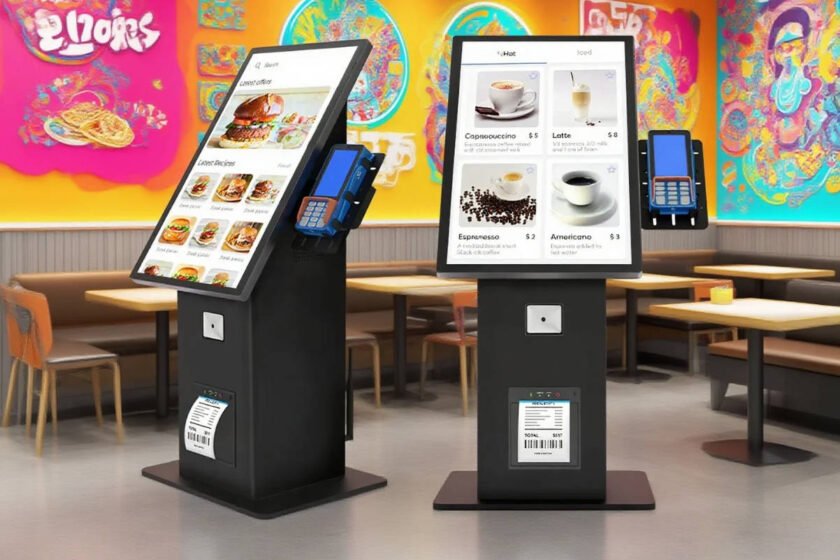
The restaurant industry is currently facing a dual challenge of rising labor costs and shifting consumer expectations for digital speed. For many operators, self order kiosks restaurants represent the most effective solution to these systemic pressures while simultaneously driving revenue growth. Traditional counter service often creates bottlenecks during peak hours, leading to frustrated guests and lost sales opportunities. This guide addresses the technical and operational strategies required to successfully deploy kiosk technology in a professional environment. By the end of this article, you will understand how to transform your ordering process into a high-efficiency revenue engine. We focus on verifiable data and professional-grade hardware configurations that ensure a measurable return on investment.
Why Self Order Kiosks for Fast Food Restaurants Drive Revenue
The primary driver for implementing self order kiosks for fast food restaurants is the significant increase in average transaction value. Unlike human cashiers, who may forget to suggest add-ons under pressure, digital kiosks never miss an upselling opportunity. Statistical data for 2026 shows that restaurants utilizing automated prompts for sides, drinks, and premium toppings see a 15% to 30% increase in average ticket size. This consistent performance ensures that every guest interaction is maximized for profit without adding stress to your front-of-house team.
Beyond upselling, self order kiosks for fast food restaurants drastically improve order accuracy by placing the responsibility of selection directly with the guest. Visual menus and modification prompts allow customers to customize their meals with precision, reducing the frequency of remakes and food waste. In a high-volume QSR environment, even a 2% reduction in order errors can result in thousands of dollars in saved food costs annually. This accuracy is essential for maintaining brand reputation and guest loyalty in a competitive market.
Operational efficiency is the third pillar of the self order kiosks for fast food restaurants value proposition. By shifting the order-taking task to the customer, you can reallocate labor to higher-value areas like food quality and order fulfillment speed. During peak periods, a single kiosk can handle the volume of two traditional registers, effectively doubling your throughput without increasing your payroll. This labor optimization is critical for maintaining margins as minimum wage requirements continue to rise globally.
Technical Standards for Self Order Kiosks in Restaurants
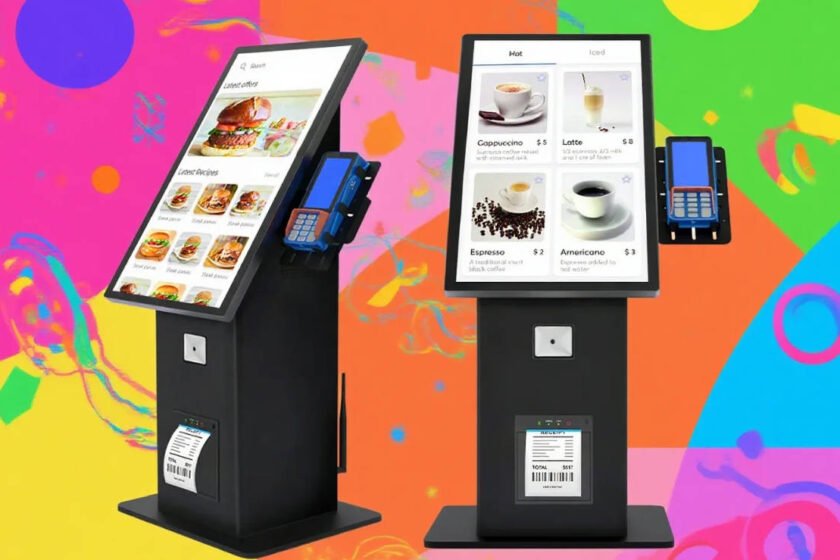
Selecting the right hardware for self order kiosks restaurants requires a deep understanding of durability and integration capabilities. A professional-grade kiosk must feature an industrial-grade PCAP (Projected Capacitive) touchscreen that can withstand thousands of daily interactions. These displays should also be equipped with antimicrobial coatings and high-brightness panels to remain legible under various lighting conditions. Reliability is paramount; a malfunctioning kiosk during a lunch rush is more than a technical glitch—it is a direct loss of revenue.
Integration with your existing Point of Sale (POS) system is the most critical technical factor for self order kiosks restaurants. A seamless data flow ensures that menu changes, pricing updates, and inventory levels are synchronized in real-time across all channels. Without deep integration, your staff would have to manually enter kiosk orders into the kitchen display system, defeating the purpose of automation. Ensure your hardware supports standard communication protocols and offers robust API support for future-proofing your tech stack.
Security and payment versatility are also non-negotiable for self order kiosks restaurants in 2026. Your devices must be fully PCI-DSS compliant and support a wide range of payment methods, including EMV chip cards, NFC mobile wallets, and QR code scanners. Advanced kiosks now incorporate biometric authentication and AI-driven loyalty recognition, allowing for a personalized guest experience. These secure, versatile payment interfaces build customer trust and reduce friction at the most critical point of the transaction.
Managing the Deployment of Self-Service Terminals
Successful implementation of self order kiosks restaurants depends heavily on strategic placement and user interface (UI) design. Kiosks should be positioned in high-visibility areas that naturally guide guest flow without creating congestion at the entrance. The digital menu itself must be intuitive, using high-resolution food photography to entice guests and minimize the number of clicks required to finalize an order. A cluttered or confusing interface will lead to “kiosk abandonment,” where guests revert to the counter or leave entirely.
Furthermore, managing self order kiosks restaurants requires a proactive maintenance strategy to ensure 99.9% uptime. This includes remote monitoring software that can alert your IT team to printer paper shortages, connectivity issues, or hardware failures before they impact the guest. Modular hardware designs are highly recommended, as they allow for the quick replacement of individual components like scanners or printers without taking the entire unit offline. This level of serviceability is what distinguishes professional enterprise solutions from consumer-grade tablets.
Staff training is the final, often overlooked, component of a self order kiosks restaurants rollout. Your team should be trained to act as “kiosk ambassadors,” guiding guests through the new technology and assisting those who may be less tech-savvy. This human-to-digital transition period is vital for gaining guest acceptance and ensuring the technology is viewed as an enhancement rather than a barrier. When staff understand that kiosks handle the repetitive task of order entry, they can focus on providing superior hospitality and food preparation.
Criteria for Selecting Professional Kiosk Hardware
When evaluating potential suppliers, you must prioritize the total cost of ownership (TCO) over the initial purchase price. The right partner should provide a tabletop self-service ordering terminal that includes integrated peripherals like QR scanners and thermal printers. This all-in-one approach reduces installation complexity and ensures that all components are engineered to work together under high-stress conditions.
A professional hardware solution must also offer flexibility in mounting and branding. Whether you require a floor-standing unit, a wall-mount, or a tabletop configuration, the hardware should adapt to your specific floor plan. High-quality manufacturers provide customization options that allow you to wrap the kiosk in your brand’s colors and logos, making it a seamless part of your restaurant’s interior design. This visual integration reinforces brand identity and encourages guest engagement with the technology.
Ultimately, the goal of selecting hardware for self order kiosks restaurants is to create a frictionless, self-sustaining ordering ecosystem. If you are managing multiple locations, look for a supplier that offers global support and standardized components to ensure a consistent experience across your entire estate. This consistency allows for better data analytics and easier staff training, as the operational logic remains the same regardless of the specific restaurant location.
Summary of Restaurant Kiosk Strategic Value
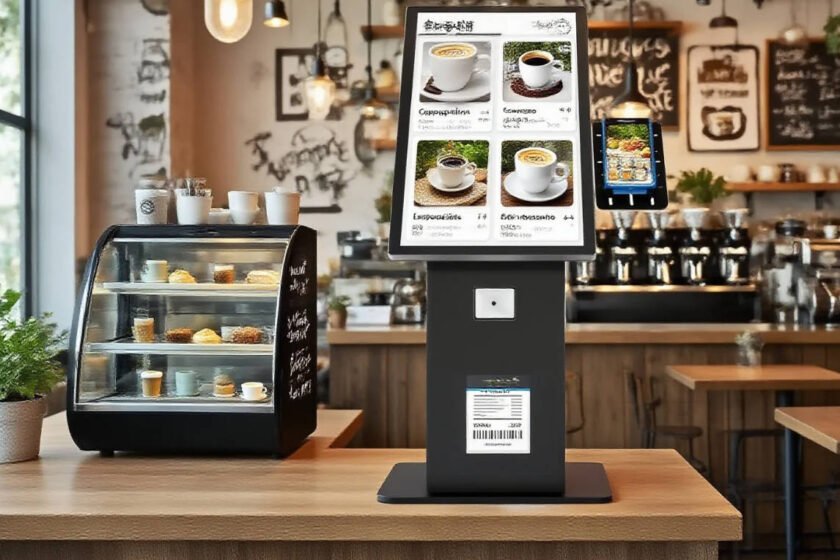
Implementing self order kiosks restaurants is a strategic necessity for brands looking to thrive in 2026. By focusing on self order kiosks for fast food restaurants, you can significantly increase average ticket sizes through automated upselling and improve operational margins through labor optimization. Prioritize high-flint hardware durability and seamless POS integration to ensure a resilient and profitable supply chain. The right kiosk strategy protects your brand, optimizes your throughput, and provides the digital convenience modern guests demand.
FAQ
1. How do self order kiosks restaurants impact labor costs?
Self-service technology significantly reduces labor costs by automating the order-taking and payment processes. This allows you to operate during peak hours with fewer front-of-house staff or reallocate those employees to food preparation and guest service roles. Many operators report recouping their initial investment in as little as 6 to 12 months through these payroll savings and increased efficiency.
2. Can self order kiosks for fast food restaurants truly increase sales?
Yes, digital kiosks are remarkably effective at increasing sales through consistent upselling prompts. Unlike human staff, kiosks never forget to suggest a larger size, a side dish, or a special promotion. Data from major chains in 2026 suggests an average check lift of 15% to 30% when guests use self-service terminals compared to traditional counter ordering.
3. What happens if the internet goes out on the kiosk?
Professional self order kiosks restaurants are designed with offline capabilities or cellular failover systems to prevent service interruptions. Many units can store transactions locally and sync them once connectivity is restored, or they can automatically switch to a 5G backup. This ensures that your primary revenue stream remains active even during local network outages.
4. Are these kiosks difficult for older customers to use?
Modern kiosk interfaces are designed with “Universal Design” principles, using large buttons, clear icons, and intuitive navigation that cater to all age groups. When self order kiosks for fast food restaurants are paired with high-resolution food photography, the ordering process becomes simpler and more visual than reading a traditional menu board. Most customers find the experience empowering and efficient.
5. What is the average lifespan of a professional restaurant kiosk?
A high-quality, industrial-grade kiosk typically has a lifespan of 5 to 7 years. Because they are built with durable components designed for 24/7 operation, they far outlast consumer tablets or iPads. When sourcing self order kiosks restaurants, look for modular designs that allow you to upgrade internal components like processors or payment terminals without replacing the entire enclosure.
Reference Sources
National Restaurant Association – 2026 Technology Trends Report