What Critical Factors Drive the Robust Supply of Outdoor Displays for the Digital Signage Sector?
The contemporary urban and commercial landscape is continually being transformed by dynamic visual communication. At the heart of this transformation is outdoor digital signage, a powerful tool for advertising, public information, and engagement. For businesses and municipalities leveraging this technology, the reliability and evolution of the supply of outdoor displays is a matter of paramount importance. This article delves into the core components, challenges, and user-centric benefits that define a successful supply chain for these specialized products, focusing squarely on the needs of digital signage users.
The Foundation of Outdoor Digital Signage Supply
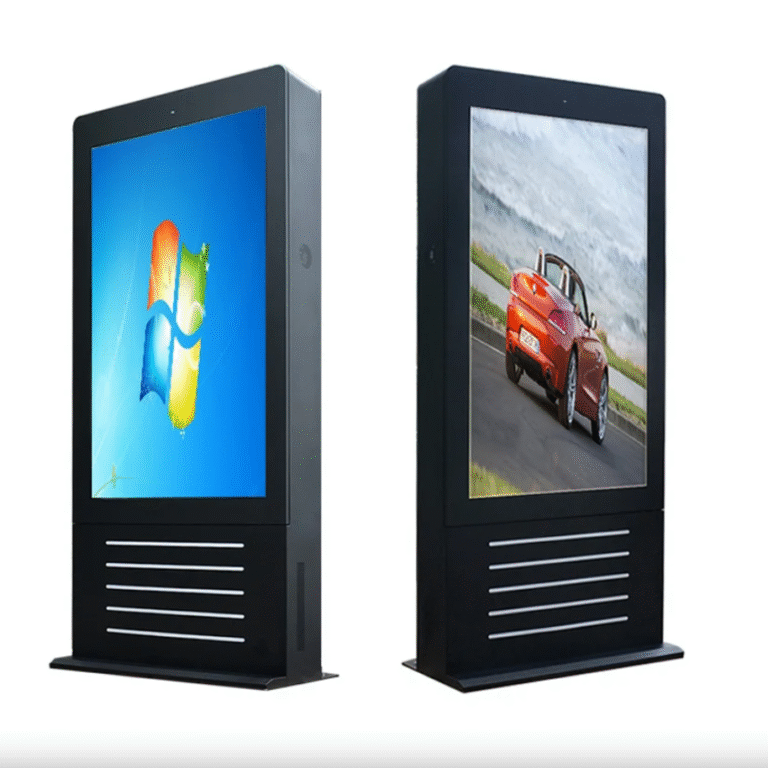
A reliable supply of outdoor displays begins with specialized manufacturing, fundamentally different from that of indoor screens. These products are not merely reinforced TVs; they are complex, purpose-built systems designed to operate 24/7 in harsh, unpredictable environments.
Engineering for Extremes: Durability and Performance
The most defining feature of the outdoor display supply is the strict adherence to rugged engineering standards. Successful manufacturers must supply units built to withstand:
- Environmental Stressors: Displays must feature high Ingress Protection (IP) ratings (e.g., IP65, IP66) to ensure protection against dust, water, and humidity. Furthermore, internal climate control systems—often involving advanced heating, ventilation, and air conditioning (HVAC) or specialized thermal management—are essential to prevent overheating in direct sunlight and component failure in extreme cold.
- Unrivaled Visibility: To combat the intense glare of direct sunlight, outdoor displays require exceptionally high brightness levels, typically ranging from 2,000 to 5,000 nits or more. This supply must incorporate advanced anti-glare technologies, specialized screen coatings, and sometimes optical bonding, which enhances contrast and reduces internal reflection. Without these features, the display’s crucial purpose—visibility—is lost, rendering the investment useless.
- Vandalism and Security: The physical location of these displays necessitates robust, tempered safety glass and secure, heavy-duty enclosures, often constructed from durable, corrosion-resistant metals. A quality supply includes design features that minimize tampering and maximize physical resilience.
The Crucial Role of Component Sourcing
A stable supply of outdoor displays is critically dependent on the global sourcing of key components. High-quality LCD panels or LED modules, powerful media players, and specialized power supplies must be consistently procured. Disruptions in the global semiconductor market or raw material bottlenecks (such as specialized glass or heat-dissipating alloys) can directly impact delivery timelines and cost for end-users. Therefore, a focus is maintained by leading suppliers on resilient logistics and diversified component streams to mitigate these risks.
The User-Centric Value Proposition of a Strong Supply Chain
For digital signage product users—retailers, transit authorities, advertisers, and venue managers—a strong supply of outdoor displays translates directly into business advantages, not just technical specifications. The supply chain’s efficiency and innovation directly impact a user’s return on investment (ROI).
Ensuring Longevity and Lower Total Cost of Ownership (TCO)
The reliability built into a well-supplied outdoor display fundamentally lowers the TCO for the user. While the initial capital expenditure for a ruggedized screen is higher than for an indoor one, the cost is offset by:
- Reduced Maintenance and Downtime: A properly engineered display, delivered through a quality supply, is less likely to fail due to environmental factors. This means less need for costly on-site repairs and, crucially, less downtime, which directly protects revenue-generating advertising space or critical public information delivery.
- Energy Efficiency: Modern outdoor displays within the supply chain often incorporate features like ambient light sensors that automatically adjust brightness. This not only optimizes visibility but also significantly cuts down on energy consumption during nighttime or overcast periods, a long-term operational cost benefit for the customer.
Flexibility and Innovation in Digital Signage Applications
A dynamic supply of outdoor displays provides users with a broader palette of solutions to meet increasingly complex digital signage goals. This includes:
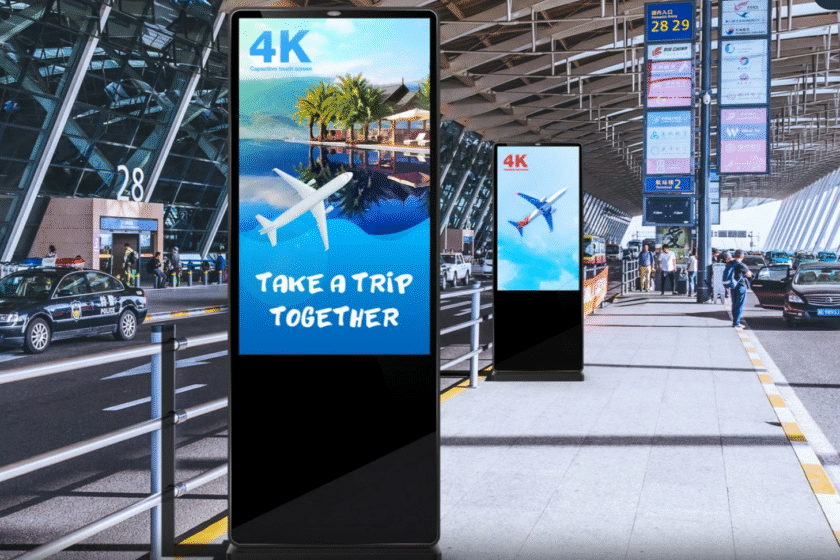
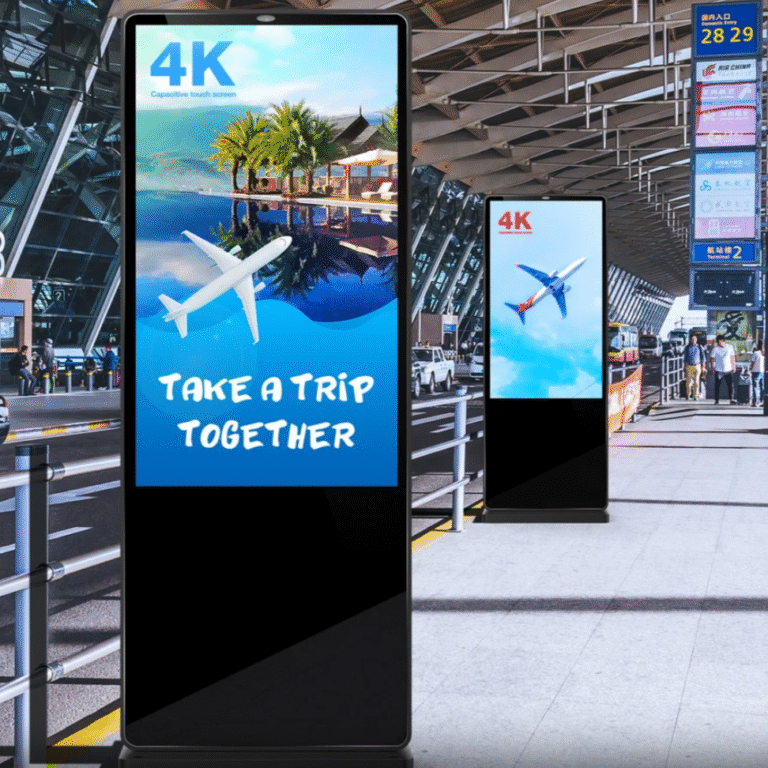
- Diverse Form Factors: The supply must cater to various installation needs, offering everything from large format LED billboards and wall-mounted LCD screens to smaller, interactive touch-screen kiosks for wayfinding and transactional purposes.
- Integration of Smart Technologies: The supply chain is increasingly providing displays pre-integrated with smart features. These might include integrated sensors for data collection (e.g., foot traffic, ambient temperature), embedded cameras for audience analytics (anonymized, of course), and compatibility with advanced content management systems (CMS) for real-time, targeted content delivery. This allows users to run more dynamic and responsive campaigns.
- Aesthetic Customization: As digital signage becomes a part of the built environment, the supply is adapting to offer more aesthetically pleasing options, such as ultra-thin profiles, sleek kiosk designs, or custom paint and finishing options to blend seamlessly with architectural surroundings.
Challenges and Future Directions in the Supply Chain
While the supply of outdoor displays is robust, it is not without its challenges. Understanding these issues is vital for users to plan long-term deployment strategies.
Navigating Global Logistics and Geopolitical Instability
One significant hurdle remains the global supply chain’s vulnerability to external shocks. Manufacturing is often concentrated in specific regions, and unexpected events—from trade disputes to global health crises—can introduce significant delays and price volatility. Users must therefore seek suppliers with proven global resilience and local warehousing or assembly options where possible.
The Imperative for Sustainability
A growing ethical and regulatory demand is placing pressure on the supply of outdoor displays to become more sustainable. Future trends will see an emphasis on:
- Eco-Friendly Materials: Sourcing non-toxic, recyclable materials for enclosures and internal components.
- Reduced Power Consumption: Continued innovation in LED and LCD backlighting technology to reduce the energy footprint of always-on outdoor screens.
- Modular Design: Displays designed for easier repair and component replacement rather than full unit disposal, extending the product lifecycle.
Conclusion
The question, “What critical factors drive the robust supply of outdoor displays for the digital signage sector?” is answered by a synthesis of specialized engineering, resilient global logistics, and an unwavering focus on user-centric value. For digital signage users, securing a high-quality display is about more than purchasing hardware; it is about investing in a foundational component of their communication strategy, one backed by a supply chain committed to durability, visibility, and operational efficiency. The industry’s capacity to deliver screens that can withstand the elements, integrate smart technology, and offer long-term operational savings is what ultimately empowers businesses to reach their audiences effectively, rain or shine. By prioritizing a supply that embodies these characteristics, digital signage professionals can ensure their deployments are not only impactful but also sustainable and future-proof.
FAQ for Digital Signage Product Users
Q1: What is the most critical feature to look for in an outdoor display’s specifications?
A: The most critical feature is the combination of High Brightness (Nits), typically $2,500$ nits or above, and a high IP (Ingress Protection) Rating (e.g., IP65 or higher). High Nits ensure visibility in direct sunlight, while the IP rating confirms the display’s protection against dust and water ingress, which is vital for component longevity.
Q2: How does the supply chain affect the lifespan of my outdoor digital sign?
A: A robust supply chain provides components and completed units manufactured to the highest standards of durability, including advanced thermal management (cooling/heating systems) and sealed enclosures. This directly prevents premature failure caused by extreme temperatures and moisture, maximizing the lifespan and reducing the Total Cost of Ownership (TCO).
Q3: Are LED and LCD outdoor displays both readily available in the current supply of outdoor displays?
A: Yes, both technologies are readily available, but they serve different applications. LCD (Liquid Crystal Display) screens are typically used for high-resolution, moderately sized displays (e.g., kiosks, transit shelters). LED (Light Emitting Diode) displays are generally used for very large-format applications (e.g., stadium screens, digital billboards) where viewing distance is greater and extreme brightness is needed. The current supply chain caters to both.
Q4: Why is “optical bonding” mentioned as a key supply factor?
A: Optical bonding is a process where a clear resin is used to completely fill the air gap between the display panel and the protective outer glass. This significantly reduces internal reflections, enhances contrast, and improves sunlight readability. A quality supply will often include this feature in premium outdoor units, offering superior image quality compared to non-bonded screens.