Modern Window Display Ideas for Retail Stores
I have spent many years analyzing the evolution of high-street retail environments. In my professional experience, your storefront is more than just a glass barrier. It is your most powerful tool for customer acquisition. Many business owners struggle with outdated facades that fail to grab attention. Developing effective window display ideas for retail stores is essential for staying competitive in a digital-first world. A well-executed display functions as a silent salesperson that works 24/7 to build brand awareness and drive spontaneous entry.
Why Creative Window Display Ideas for Retail Stores Drive Sales
The primary goal of any storefront is to stop a passerby in their tracks. Visual merchandising is a multi-sensory practice that blends art with consumer psychology. Effective window displays can increase foot traffic by up to 30% when they resonate with the target audience’s emotions. I have found that retailers who treat their windows as storytelling platforms see higher conversion rates than those who simply list prices.
The Psychology of Visual Merchandising
Visual merchandising relies on the hierarchy of focus to guide the viewer’s eye. According to Wikipedia, this field involves the use of floor plans and three-dimensional displays to maximize sales. Creating a single focal point prevents visual clutter and ensures your core message is understood within three seconds. This rapid communication is vital because most pedestrians walk at a steady pace and rarely stop for complicated designs.
Creating a Narrative Through Storytelling
Stories create emotional connections that mere products cannot achieve. Instead of just displaying shoes, imagine a scene showing a traveler embarking on a mountain journey. Narrative-driven displays help customers visualize themselves using the product in their own lives. This psychological bridge is the foundation of modern window display ideas for retail stores. I always recommend choosing one central theme per season to maintain brand consistency.
Innovative Techniques to Modernize Your Storefront
As retail evolves, traditional mannequins are no longer enough. You must integrate modern elements to capture the attention of a distracted audience. Combining physical props with digital enhancements is currently the gold standard for high-end retail. The integration of technology and lighting can make your storefront stand out even in high-competition urban environments.
The Role of High-Brightness Lighting and Screens
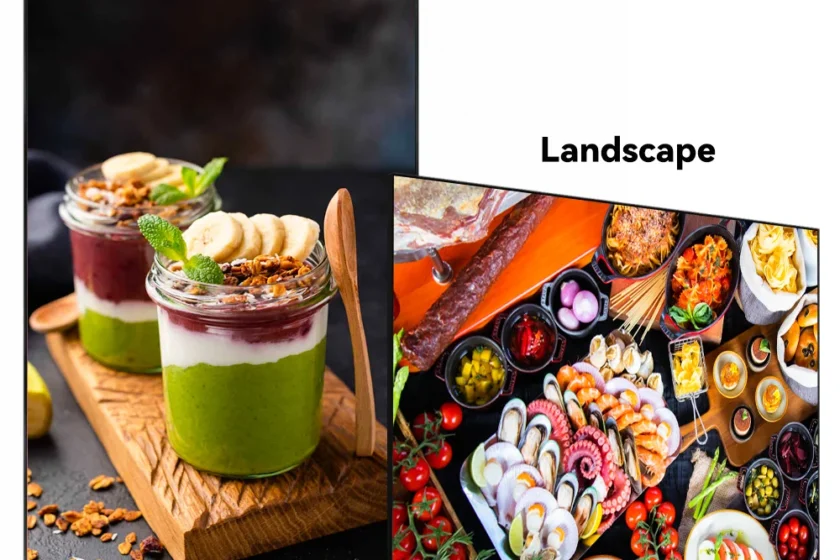
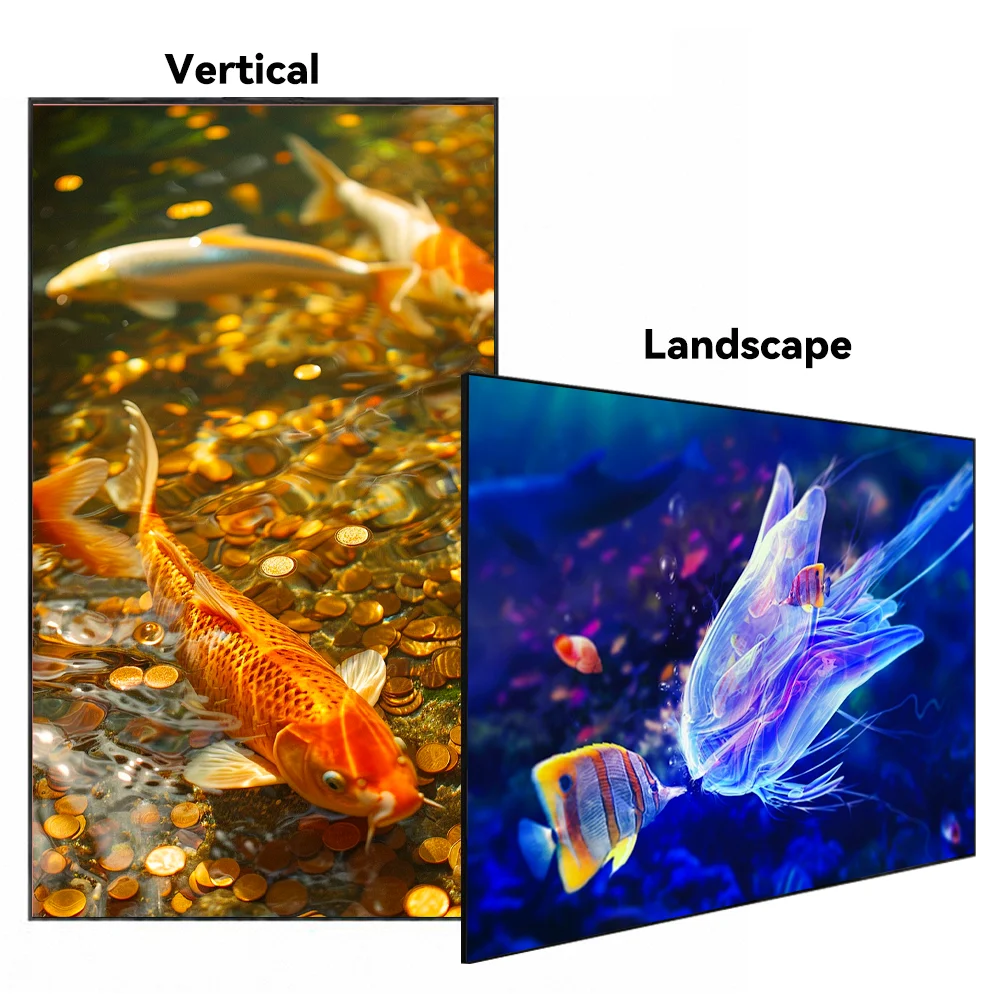
Lighting is often the most underrated element of a display. The Shop! Association emphasizes that proper illumination can highlight specific products and create depth within a small space. High-brightness digital screens are now essential for maintaining visibility when sunlight hits the window directly. I have seen static displays disappear under glare, whereas active digital content remains vibrant and legible throughout the day.
Sustainable and Eco-Friendly Material Usage
Modern consumers value environmental responsibility. Using recycled cardboard, reclaimed wood, or natural textiles can communicate your brand values effectively. Sustainable window displays not only reduce costs but also appeal to the growing demographic of eco-conscious shoppers. This approach demonstrates that your business is forward-thinking and socially responsible.
How to Design a Window Display That Converts Passersby
Designing a window requires more than just good taste. It requires a strategic understanding of spatial geometry. You must consider the “sightline” of your average customer, which is usually at eye level. Placing your hero product slightly above or at eye level ensures maximum exposure as people walk past.
Balancing Negative Space and Complexity
Less is often more in professional retail design. Too many items can overwhelm the viewer and dilute your brand message. Utilizing negative space allows the eye to rest and focus specifically on the items you want to sell. I often suggest the “rule of three” for small windows, where items are grouped in odd numbers to create visual balance.
Consistency Between Window and Interior
Your window display is a promise of what is inside. If the window suggests luxury but the interior is cluttered, the customer will feel a disconnect. Ensuring a seamless transition from the window display to the in-store experience is critical for maintaining trust. This alignment reinforces your brand identity and encourages customers to explore your full range of products.
Choosing the Right Digital Solution for Your Window
Before implementing new technology, you must evaluate the environmental conditions of your store. The most common mistake I see is installing standard indoor screens in street-facing windows. Standard screens often appear black or washed out when exposed to direct sunlight. To avoid this, you must prioritize “nit” levels, which measure brightness.
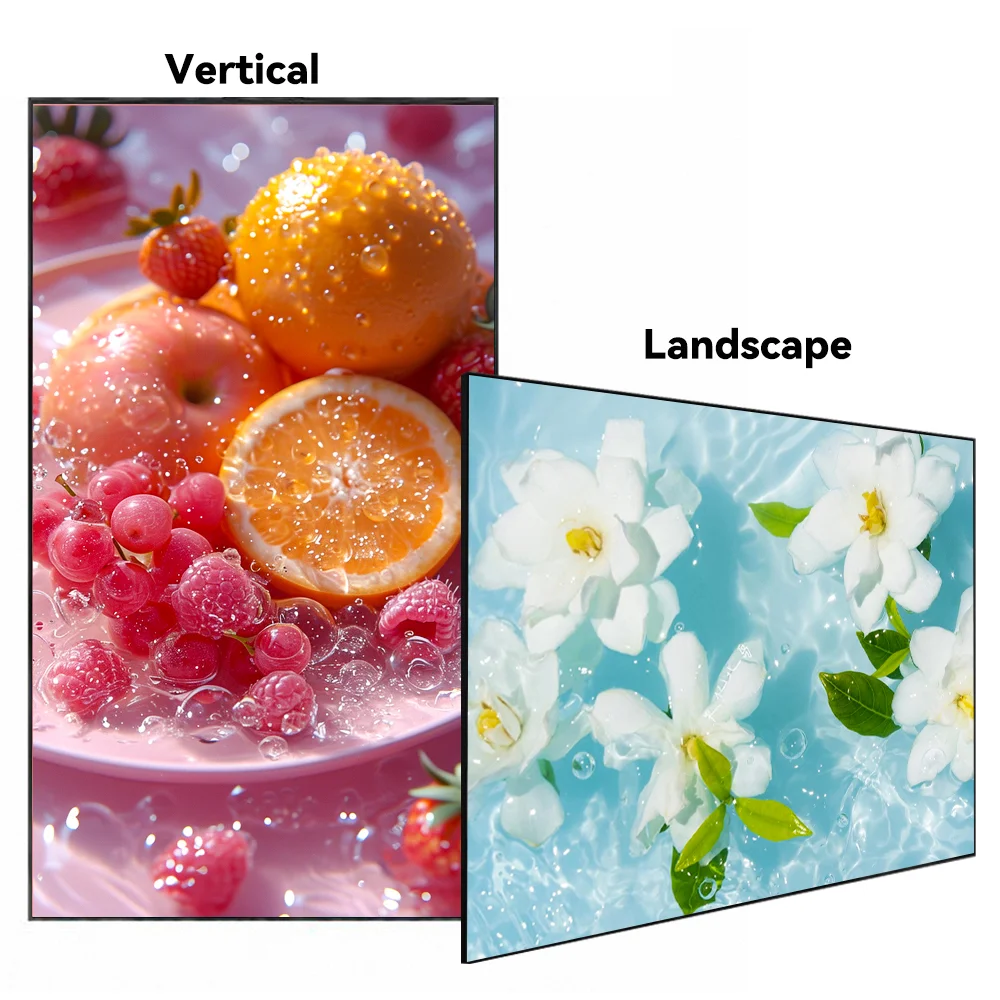
When considering your next upgrade, exploring a specialized high-brightness window display is a logical next step for any modern retailer. These displays are specifically engineered to remain clear and visible even in the harshest outdoor light. Investing in sunlight-readable technology ensures your marketing message remains effective 24 hours a day. This is the ultimate standard for any business looking to modernize its visual strategy.
Conclusion
Implementing modern window display ideas for retail stores is the most direct way to revitalize your brand’s presence. By combining storytelling, strategic lighting, and high-brightness digital tech, you create a storefront that demands attention. The key to success lies in balancing creative aesthetics with technical visibility to ensure your store never goes unnoticed.
FAQ
1. How often should I update my retail window display?
I recommend updating your window display at least every six to eight weeks. Frequent changes keep your storefront fresh for local commuters who pass by daily. Regular updates signal to customers that your inventory is constantly evolving and worth a return visit.
2. What is the most important element of a window display?
The most important element is the focal point. Without a clear area of interest, the viewer’s eye will wander and fail to engage with your products. A strong focal point combined with high-contrast lighting ensures that your message is communicated instantly.
3. How do I make my window display visible during the day?
Daytime visibility is often ruined by window glare and reflections. You can combat this by using high-intensity spotlights and high-brightness digital screens. Professional-grade high-brightness displays are designed to overpower sunlight reflections, keeping your content clear at all times.
4. Can small retail stores afford professional window displays?
Yes, creativity often trumps budget in visual merchandising. Simple props used in innovative ways can be just as effective as expensive installations. Focusing on a clean, well-lit, and thematic design allows small stores to compete with larger chains.
Reference Sources
National Retail Federation (NRF) – Retail Trends and Consumer Behavior Insights.
Shop! Association – Global Trade Association for Enhancing Retail Environments.
Britannica – Overview of Retail Trade and Marketing History.