Why is an Interactive Touch Screen Table Essential for Signage?
The evolution of digital signage has moved far beyond simple static screens displaying passive content. Today’s sophisticated markets demand engagement, personalization, and collaboration. Within this transformative landscape, the interactive touch screen table has emerged as a groundbreaking tool, effectively bridging the gap between digital content and physical interaction. For professionals in retail, hospitality, education, and corporate sectors, integrating this technology is not just about adopting a new display; it is about fundamentally restructuring the customer or user experience. This article provides a comprehensive analysis of the core features and strategic benefits of the interactive touch screen table, focusing on its role in creating memorable, high-value engagements that drive success in competitive digital environments.
Redefining Engagement: The Strategic Advantage of the Interactive Touch Screen Table
Traditional digital signage often struggles with a key limitation: its one-way communication model. The interactive touch screen table overcomes this by introducing multi-user, direct-touch control, fundamentally shifting the dynamic from passive viewing to active participation. This change in interaction model is where its true value lies in the digital signage ecosystem.
Fostering Collaborative and Multi-User Experiences
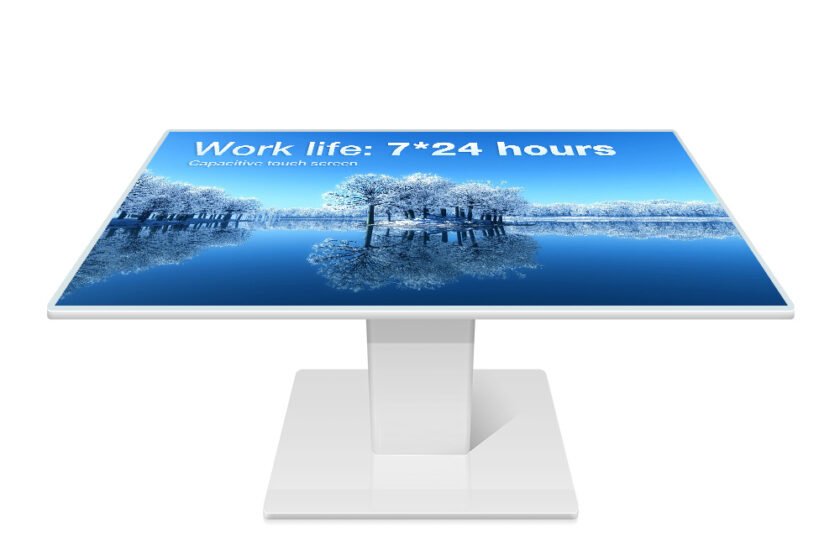
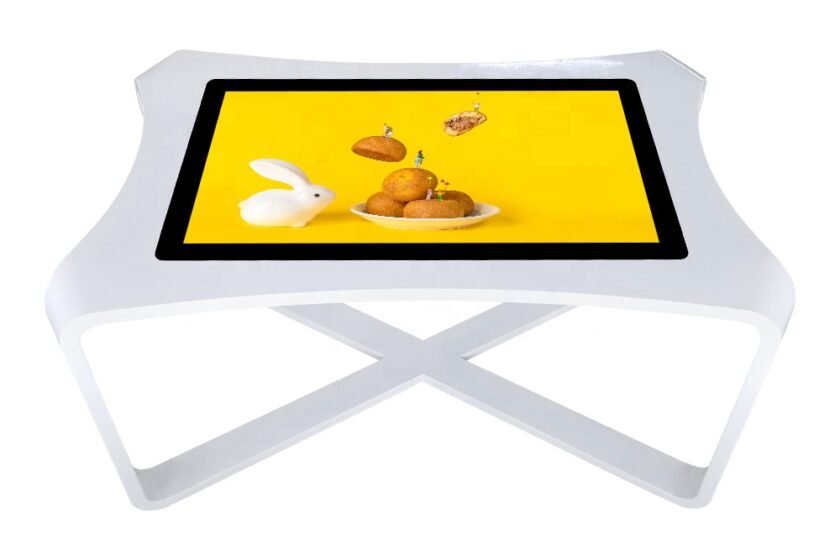
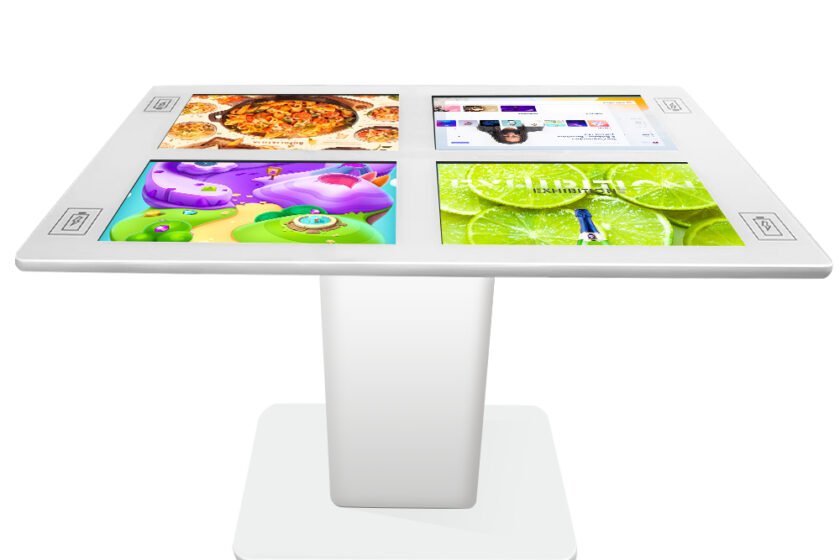
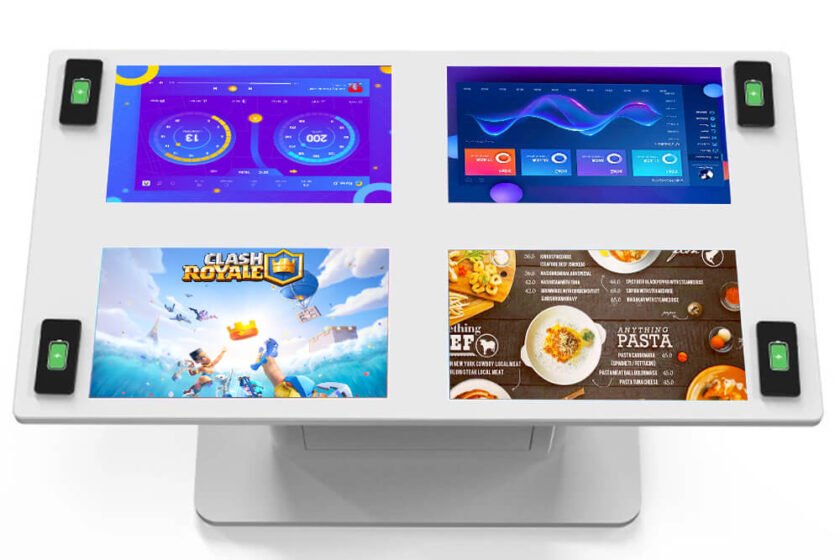
Unlike wall-mounted screens, the horizontal orientation and robust build of an interactive touch screen table naturally encourage multiple users to gather around and interact simultaneously. This collaborative capacity is transformative in environments like corporate briefing centers, museum exhibits, or retail floor plans. Users can jointly explore content, manipulate 3D models, or share information without waiting their turn. The large, durable surface, often protected by tempered glass, is designed to withstand continuous, multiple-point touch input, ensuring a seamless and reliable user experience. This ability to handle simultaneous interaction exponentially increases the data points and engagement time captured by the digital signage system.
Bridging the Physical and Digital Worlds in Retail
In retail settings, the interactive touch screen table acts as a powerful sales and discovery tool. Imagine customers gathering to customize a product, browse an entire inventory that cannot fit on the shelves, or view high-resolution lifestyle images. This solution moves customers from passive browsing to active buying research. The table can seamlessly integrate with inventory management systems, allowing for real-time stock checks or placing orders directly. Furthermore, the tactile nature of the interactive touch screen table provides a sensory element that improves product recall and customer satisfaction, transforming a generic shopping experience into a personalized consultation, thereby contributing directly to higher conversion rates and greater customer loyalty.
Technical Specifications and Key Features for Digital Signage Professionals
Choosing the right interactive touch screen table requires a deep understanding of the technical specifications that guarantee long-term performance and content capability within a professional digital signage network. The physical design and underlying hardware must be meticulously matched to the intended application.
Durability, Display Quality, and Touch Technology
For a machine designed to function in public spaces, durability is paramount. High-quality interactive touch screen table units feature commercial-grade components designed for 24/7 operation, housed in robust, tamper-resistant enclosures. The screen itself must offer superior resolution (often 4K or higher) and high brightness (nits) to ensure content remains crisp and legible even in brightly lit retail or atrium environments. The touch technology is also vital: while basic infrared (IR) touch systems are available, projected capacitive (PCAP) touch technology is often preferred for its superior accuracy, faster response time, and resistance to dust and scratches, delivering a more precise and professional user interaction.
Integrated Computing Power and Connectivity
A simple display monitor will not suffice for an advanced interactive touch screen table. The system requires an integrated, high-performance computing unit—often an embedded PC with a powerful CPU and GPU—capable of rendering complex 3D graphics, handling multiple simultaneous video streams, and managing heavy interactive software applications. Furthermore, robust connectivity options are mandatory. This includes Wi-Fi for content updates, Ethernet for stable network connection (critical for centralized digital signage management), and multiple ports for peripherals, ensuring the interactive touch screen table can seamlessly integrate into the broader digital signage ecosystem.
Application Versatility: Beyond Basic Information Display
The interactive touch screen table distinguishes itself through its adaptability across various high-value sectors, proving its worth far beyond the basic function of information display.
Corporate and Educational Environments
In corporate settings, the interactive touch screen table transforms meeting rooms and lobbies. It can function as a dynamic presentation hub, allowing multiple stakeholders to annotate, manipulate, and contribute to data visualization during collaborative sessions. For higher education, these tables are invaluable in libraries or labs, facilitating group learning and research by allowing students to engage with historical maps, scientific models, or architectural blueprints simultaneously. This technology enhances information retention by moving the learning process from passive reception to active exploration.
Hospitality and Visitor Management
The hospitality industry can leverage the interactive touch screen table for dynamic wayfinding, local area guides, and service bookings. Guests in a hotel lobby can use the table to explore restaurant menus, book spa appointments, or visualize local attractions. In museums and galleries, they offer in-depth, multi-layered digital content exploration alongside physical exhibits. This not only streamlines guest services but also creates a modern, high-tech impression that enhances the perceived value of the venue, providing highly relevant and timely information through an engaging interface.
The Future of Digital Signage: Data and Personalization
The long-term strategic value of the interactive touch screen table lies in its ability to generate rich, actionable user data, which is essential for refining content strategy and maximizing ROI in digital signage.
Capturing Actionable User Data
Every interaction on an interactive touch screen table—the content explored, the time spent, the sequence of touches, and the applications used—is valuable data. This information, when anonymized and aggregated, provides deep insights into user behavior, preferences, and engagement patterns. Digital signage managers can use this data to optimize content delivery, tailor future interactive applications, and measure the effectiveness of their deployments with far greater precision than is possible with passive displays. This data-driven approach moves digital signage from a display tool to a powerful business intelligence asset.
Enhancing Personalized Content Delivery
Equipped with proximity sensors or integrated customer identification tools (like QR code scanning), the interactive touch screen table can offer highly personalized content. For example, a recognized customer in a luxury car showroom could be presented with information specific to their purchasing history or saved configurations. This level of personalization creates a stronger connection between the brand and the consumer, making the engagement feel exclusive and relevant. This sophisticated capability justifies the investment in a premium interactive touch screen table by driving deeper brand loyalty and maximizing sales opportunities.
Conclusion
The interactive touch screen table represents a significant leap forward for digital signage, moving it into an era of deep, collaborative, and measurable engagement. For digital signage product users, the investment is validated not merely by the presence of a touch screen, but by its capacity to enhance operational efficiency, foster collaboration, gather actionable data, and ultimately, elevate the entire user experience. By deploying this innovative technology, businesses ensure their digital presence is not just seen, but actively utilized, making it an indispensable component of any forward-looking digital signage strategy.
Frequently Asked Questions (FAQ)
Q1: How does an interactive touch screen table compare to a standard interactive kiosk for digital signage?
A: The main difference is the orientation and multi-user capability. An interactive kiosk is typically vertical and designed for a single user at a time. The interactive touch screen table is horizontal, promotes collaborative, multi-user interaction, and supports unique applications like mapping, complex model manipulation, and group learning that are difficult on a vertical screen.
Q2: What is the recommended touch technology for high-traffic public installations?
A: For high-traffic public installations, Projected Capacitive (PCAP) touch technology is generally recommended. It offers superior optical clarity, highly precise touch response, and excellent durability against wear, scratches, and dust compared to older technologies like Infrared (IR) or Surface Acoustic Wave (SAW).
Q3: Can the content on an interactive touch screen table be managed remotely?
A: Yes. For professional digital signage applications, the interactive touch screen table must be network-enabled and compatible with standard Content Management System (CMS) software. This allows operators to push content updates, monitor usage, and diagnose issues remotely, which is essential for maintaining a large-scale deployment across multiple locations.