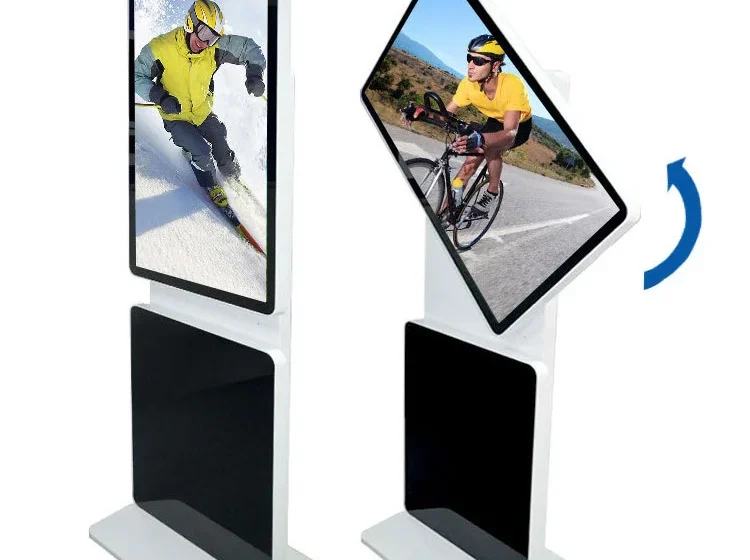
Interactive Digital Signage: Revolutionizing Customer Experience
In the rapidly evolving landscape of consumer engagement and retail technology, the static advertisement has ceded ground to dynamic, two-way communication. For businesses investing in cutting-edge display solutions, understanding the profound impact of interactive digital signage is essential for maintaining relevance and capturing audience attention. Unlike traditional digital displays that merely broadcast content, interactive systems transform passive viewing into an active, personalized experience, demanding participation from the user. This shift from monologue to dialogue is fundamental to modern marketing and service delivery, enabling brands to forge deeper connections and provide instant, relevant information. The strategic deployment of interactive digital signage—whether in retail, transportation hubs, corporate lobbies, or healthcare facilities—is no longer a luxury but a critical component of a data-driven, customer-centric operational strategy. Ultimately, the value proposition lies in its ability to capture user input, deliver tailored content, and consequently, influence behavior in real-time.
The Technological Architecture of Interactive Digital Signage
The functionality of interactive digital signage is built upon a sophisticated convergence of hardware, software, and sensory technology. This complex architecture must work seamlessly to provide the fluid, responsive user experience that consumers expect from modern digital interfaces.
Core Components: Display, Sensor, and Processor
At its foundation, an interactive system begins with a robust, high-resolution display, which is typically integrated with advanced touch technology. While resistive touch screens are often used in industrial settings, contemporary interactive digital signage relies heavily on projected capacitive (PCAP) or infrared (IR) touch overlays due to their superior clarity, multi-touch capabilities, and durability. The PCAP technology, for example, allows for precise, instantaneous responses, similar to a high-end smartphone. However, interactivity extends beyond simple touch. Advanced installations may incorporate other sensors, such as cameras for gesture control or proximity sensors to trigger content based on a user’s presence. All this input is managed by a powerful media player or integrated System-on-Chip (SoC) processor, which runs the content management system (CMS) and application software.
The Central Role of Content Management Systems (CMS)
The effectiveness of interactive digital signage hinges on a robust and flexible CMS. This software not only schedules and delivers the visual content but also processes the user’s input and dictates the responsive output. A modern CMS is capable of segmenting content based on pre-defined triggers (like time of day or location) and real-time user interaction. For instance, a user touching a specific product category triggers the display of detailed specifications or video tutorials related only to that item. This level of personalized content delivery is what differentiates effective interactive digital signage from a simple touchscreen display, ensuring the information provided is highly relevant and minimizes user frustration.
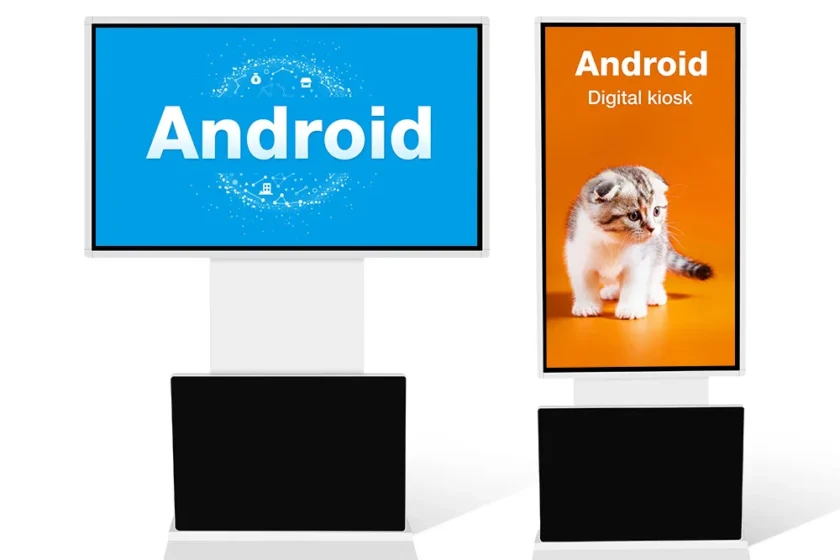
Key Features Driving Customer Engagement and Value
The features inherent in interactive digital signage translate directly into measurable business advantages, particularly through enhanced engagement and improved operational efficiency.
Personalized Information Delivery
The primary strength of interactive digital signage is its ability to offer a customized content journey. In a retail environment, customers can use a screen to navigate complex product lines, view current stock levels, or compare specifications without waiting for sales staff assistance. This empowerment of the consumer enhances the shopping experience and reduces perceived waiting times. In a corporate setting, employees can use interactive wayfinding maps to locate meeting rooms or access departmental contact information. Providing information “on demand” and tailored to the individual’s immediate need significantly improves user satisfaction and is a powerful tool for information dissemination.
Seamless Integration with Omnichannel Strategies
Modern interactive digital signage systems are designed to bridge the gap between the physical and digital shopping worlds. Through features like integrated QR code generation, NFC (Near-Field Communication) tags, or direct email sign-ups, the physical display can seamlessly pass information, product links, or loyalty rewards directly to a user’s mobile device. This capability transforms the interactive screen from a mere information kiosk into a key touchpoint within a broader omnichannel marketing strategy. By facilitating this easy transition, brands can nurture leads beyond the physical location, dramatically improving conversion rates and ensuring continuity in the customer journey.
Transformative Applications Across Major Industries
The versatility of interactive digital signage allows it to solve unique business challenges across a wide range of vertical markets, proving its strategic value.
Revolutionizing Retail and Point-of-Sale
In retail, interactive digital signage serves multiple roles. It functions as a virtual assistant, offering endless aisle extensions where customers can order out-of-stock items or explore a wider catalog than is physically present. It also serves as a sophisticated point-of-sale tool, presenting targeted promotions or detailed product demos based on shopper profiles or current sales data. The immediate feedback loop generated by touch interactions provides retailers with invaluable data on customer preferences, enabling them to optimize store layouts and merchandising strategies based on actual engagement metrics, thus making better use of their floor space.
Enhancing Efficiency in Public and Corporate Spaces
In public transport hubs and airports, interactive digital signage provides critical wayfinding and real-time information updates, allowing travelers to quickly check schedules, find gates, or locate amenities. This reduces stress and improves operational flow. For corporate environments, these interactive displays are essential for room booking, visitor registration, and internal communications. By automating routine information delivery and administrative tasks, the technology frees up human resources to focus on complex service delivery, consequently increasing overall organizational efficiency and professionalism.
Ethical Considerations and the Future of Interaction
As interactive digital signage becomes more sophisticated, incorporating AI and facial recognition, its deployment carries certain ethical responsibilities that users must address.
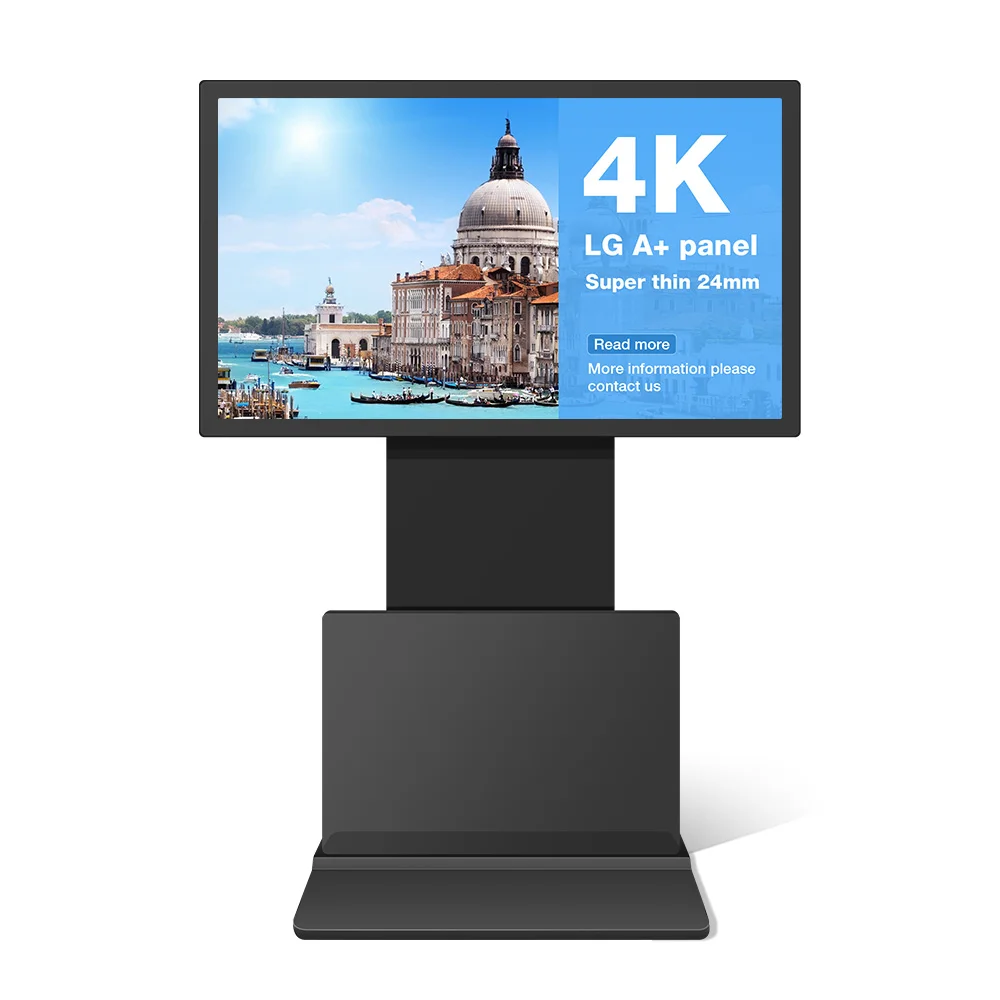
The Importance of Data Privacy and Transparency
The collection of interaction data—such as what content is viewed or how long a user engages—provides powerful insights, but this data collection must be managed ethically. Companies deploying advanced interactive digital signage must maintain transparency with users about data usage and adhere strictly to global privacy regulations. Ethical deployment ensures consumer trust is maintained, which is paramount for the long-term success of any interactive communication platform.
Future Trends: Gestures and Personalized Environments
The future of interactive digital signage points toward less physical contact and more contextual intelligence. Technologies like gesture control, which allows users to navigate content with hand movements, offer a hygienic and futuristic interface. Moreover, advanced systems will leverage AI to create hyper-personalized experiences, perhaps recognizing a known customer via a loyalty app and instantly displaying their preferred products or past purchase history. These advancements will further solidify the role of interactive digital signage as a proactive, intelligent communication channel.
Frequently Asked Questions (FAQ)
Q1: What types of interactivity are most common in modern interactive digital signage?
A1: The most common form is multi-touch screen interaction, similar to tablets. However, advanced systems increasingly use proximity sensors (to change content when a person approaches), QR code scanning (to link mobile devices), and gesture recognition (to navigate content without touching the screen).
Q2: How does interactive digital signage benefit data collection for businesses?
A2: Interactive systems are excellent data collection tools. They track precise metrics like which menu items are touched most often, the average time spent on specific pages, and the user-flow path through content. This interaction data provides a direct, non-intrusive measure of consumer interest and preference, informing inventory and marketing decisions.
Q3: Is the installation of interactive digital signage much more complicated than static digital signage?
A3: While the hardware setup is similar (screen, power, network), the complexity increases with the software and calibration of the touch sensor. The installation requires careful configuration of the application interface to ensure it is responsive, intuitive, and properly integrated with the content management system (CMS) to handle the user inputs correctly.