How to Create High-Impact Window Display Ideas?
Capturing the attention of a distracted pedestrian in today’s fast-paced urban environment requires more than just a well-dressed mannequin. As a visual merchandising consultant, I have seen how the most successful window display ideas have shifted from static scenes to dynamic, multisensory experiences. In 2026, the goal is no longer just to show a product but to bridge the gap between digital convenience and physical immersion. Research indicates that retailers implementing advanced visual strategies see a significant boost in sidewalk “dwell time.” Consequently, your storefront must act as a high-impact narrative that compels a passerby to stop, look, and eventually step inside. By blending traditional artistic elements with modern technology, you can turn a simple pane of glass into a powerful revenue generator. This guide will explore the most effective ways to modernize your storefront and drive measurable results.
Can Sensory Storytelling Improve Your Storefront?
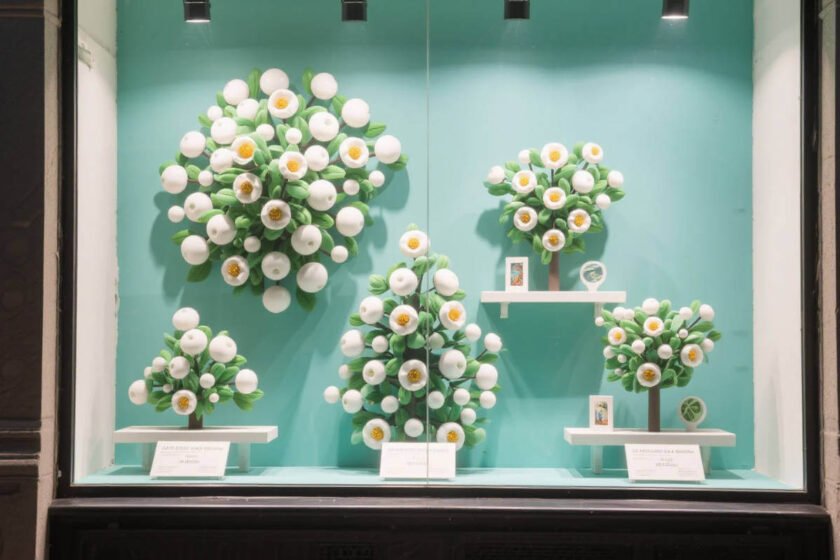
Modern shoppers are often over-stimulated, making “neuro-aesthetic” design one of the most effective ways to refresh your brand image. This approach focuses on creating a “sanctuary” feel using soft curves, organic shapes, and matte finishes to reduce shopper anxiety. Instead of aggressive sales banners, consider using haptic materials like acoustic felt or natural wood to create a calming visual environment. Studies show that when a customer feels a sense of calm from a display, their likelihood of entering the store increases by nearly 40%. Furthermore, incorporating subtle sensory elements like directional scent or ambient soundscapes can deepen the emotional connection with your brand.
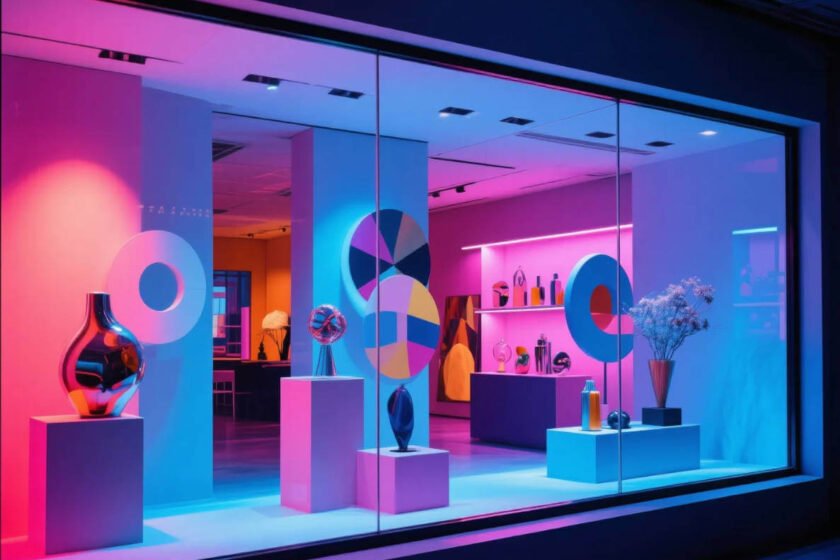
Storytelling remains the heart of a successful window, but in 2026, the story must be cohesive and highly targeted. You should use a “Hero” display strategy, where one central product is elevated as the main protagonist of the scene. Layered backgrounds and 3D graphics can add necessary depth, preventing the window from looking flat or uninspired. It is essential to place your focal point at eye level to maximize immediate recognition by pedestrians. Use a monochromatic color scheme to create a bold, theatrical mood that stands out against the chaotic street background. A well-told story in your window gives the customer a reason to believe in the value of your brand before they ever see a price tag.
Is Digital Integration the Future of Retail Displays?
The integration of technology has moved beyond simple screens to become a core part of modern window display ideas. High-fidelity digital panels allow you to update your messaging in real-time, responding to weather changes or time-of-day promotions. For example, a cafe might display steaming hot cocoa visuals during a sudden rainstorm to lure in cold pedestrians. Data from 2025 market reports suggests that digital signage can increase storefront foot traffic by 15% to 30% compared to static posters. Movement naturally draws the human eye, which processes visual information in as little as 13 milliseconds.
Interactivity is another layer that can transform a passive observer into an active participant. Incorporating “QR bridges” or touch-sensitive glass allows customers to scan a code and instantly view product reviews or unlock exclusive discounts. You can also use motion sensors to trigger specific lighting effects or video content when someone walks past your store. This creates a “curiosity gap” that encourages people to linger longer and engage with your digital presence. By merging content and commerce right at the glass, you create a seamless transition to your online store for after-hours shoppers. Digital integration ensures your storefront stays relevant and functional 24 hours a day.
Why Prioritize Sustainability and Modular Flexibility?
Sustainability has transitioned from a niche trend to a standard requirement for all modern retail design concepts. Shoppers in 2026 are increasingly conscious of environmental impact, favoring brands that use recycled or responsibly sourced materials. Using “Forever Frames”—modular structural cores designed to last for years—allows you to swap out seasonal “skins” without discarding entire fixtures. This not only reduces waste but also significantly lowers your long-term operational costs. Materials like 100% recycled acrylic provide the same premium aesthetic as traditional plastics while aligning with modern eco-friendly values.
Flexibility is a major competitive advantage in a retail landscape where trends shift overnight. Modular “kit-of-parts” systems allow your team to reconfigure a window display in a few hours rather than days. This agility enables you to pivot your marketing strategy quickly to reflect local festivals, sudden sales, or new product drops. Furthermore, using mirrors can enhance the sense of space in smaller windows, making a minimalist setup look much more impressive. By prioritizing reusable components, you create a sustainable cycle of creativity that keeps your storefront feeling fresh and up-kept. A fresh-looking store is perceived as more professional and trustworthy by potential new customers.
How Can High-Brightness Solutions Enhance Visibility?
For businesses that face high-glare environments or direct sunlight, standard display tools often fall short of making an impact. Achieving high visibility in a storefront window requires specialized hardware that can pierce through reflections and maintain clarity. Our professional solutions are engineered for high-intensity environments, ensuring your content remains vibrant even during the brightest hours of the day. We focus on providing commercial-grade equipment that offers superior thermal management and weather resistance. This ensures your investment continues to perform reliably throughout all seasons and environmental conditions.
Our team is dedicated to helping you find the right balance between visual flair and technical durability. We provide a wide range of outdoor-ready options that are designed to withstand the rigors of 24/7 operation in public spaces. Each unit features high-brightness technology that makes your creative concepts come to life with stunning color and contrast. Whether you are a small boutique or a large retail chain, we have the specialized tools to help you dominate your local sidewalk. To explore our full selection of high-performance hardware, visit our outdoor digital signage category page and see how we can transform your storefront visibility today.
Summary of Modern Window Display Trends
To effectively execute modern window display ideas, retailers must combine neuro-aesthetic design with high-brightness digital technology and sustainable modular fixtures to create a multisensory experience. By using movement to grab attention and QR-based interactivity to bridge the gap to digital sales, you can successfully drive foot traffic and increase brand engagement in any competitive 2026 retail environment.
FAQ
1. How often should I change my retail window display? For maximum impact, you should refresh your window at least every 4 to 6 weeks. High-traffic areas may benefit from even more frequent updates or by using digital signage to change content daily without physical labor.
2. What is the ideal brightness for a window-facing screen? To remain visible in direct sunlight, a screen should have a brightness level of at least 1,500 to 2,500 nits. Standard indoor monitors (250-350 nits) will appear washed out or black when placed behind window glass.
3. Do digital window displays increase electricity costs significantly? Modern LED-backlit displays are highly energy-efficient. Many units also include ambient light sensors that automatically dim the screen at night, saving energy and extending the lifespan of the panel.
4. How can small businesses on a budget create effective windows? Focus on a clear theme and use a “Hero” product strategy. Budget-friendly options include using recycled props, handcrafted signage, or simple LED fairy lights to create a focal point at eye level without a large investment.
5. What is the most common mistake in window display design? The most frequent error is overcrowding the space. A cluttered window confuses the eye and fails to establish a focal point. It is better to showcase one or two key items with a strong story than to try and show your entire inventory.
Official Reference Sources: