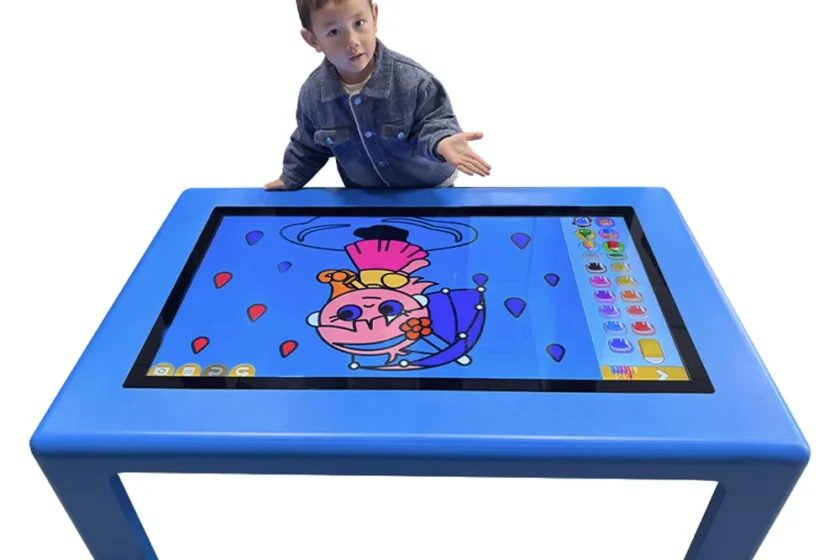
Games Table Touch Screen: Future of Interactive Signage?
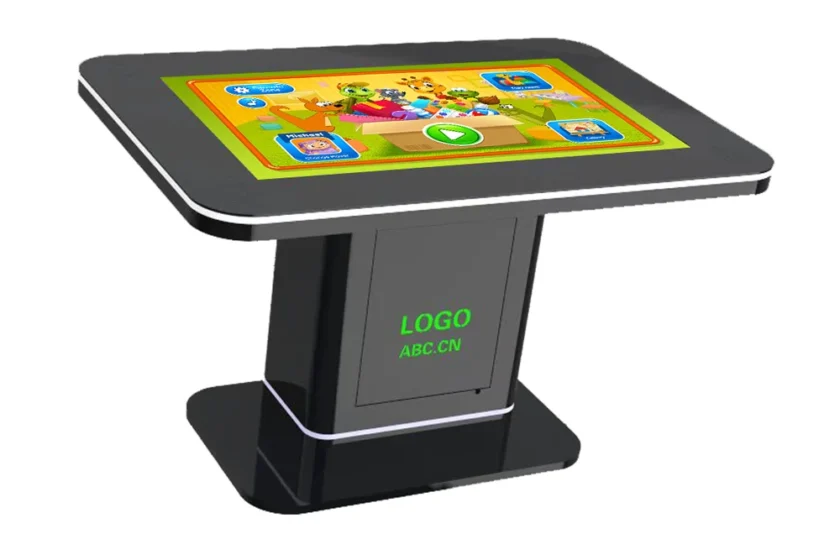
The evolution of digital signage is consistently pushing the boundaries of passive information display toward immersive, multi-user experiences. Within this transition, the games table touch screen device is emerging as a powerful and highly engaging platform, particularly in retail, entertainment, and public space environments. These large, horizontal interactive displays, resembling a sophisticated table, transform simple interaction into a social, collaborative activity. For digital signage product users and solution integrators, understanding the unique blend of technology, durability, and user experience offered by the games table touch screen is crucial for developing innovative, high-impact installations. This article delves into the construction, capabilities, and strategic deployment of these interactive tables, highlighting how they generate deeper engagement and deliver measurable value in today’s demanding digital landscape.
The core strength of the games table touch screen lies in its ability to foster co-creation and collective interaction. Unlike vertical kiosks, the horizontal format naturally encourages groups of people to gather around, collaborate, and share an experience, mirroring the familiar dynamic of a traditional table. This shift from singular use to multi-user interaction makes the platform an incredibly effective tool for everything from collaborative gaming and educational activities to detailed product exploration and configurator tools in retail settings. Consequently, businesses seeking to maximize dwell time, enhance brand recall, and bridge the gap between digital content and physical space are increasingly turning to the robust and versatile design of the games table touch screen.
The Technological Architecture of the Games Table Touch Screen
The successful deployment of a games table touch screen relies on integrating advanced display technology, robust touch sensitivity, and a durable, public-ready physical design.
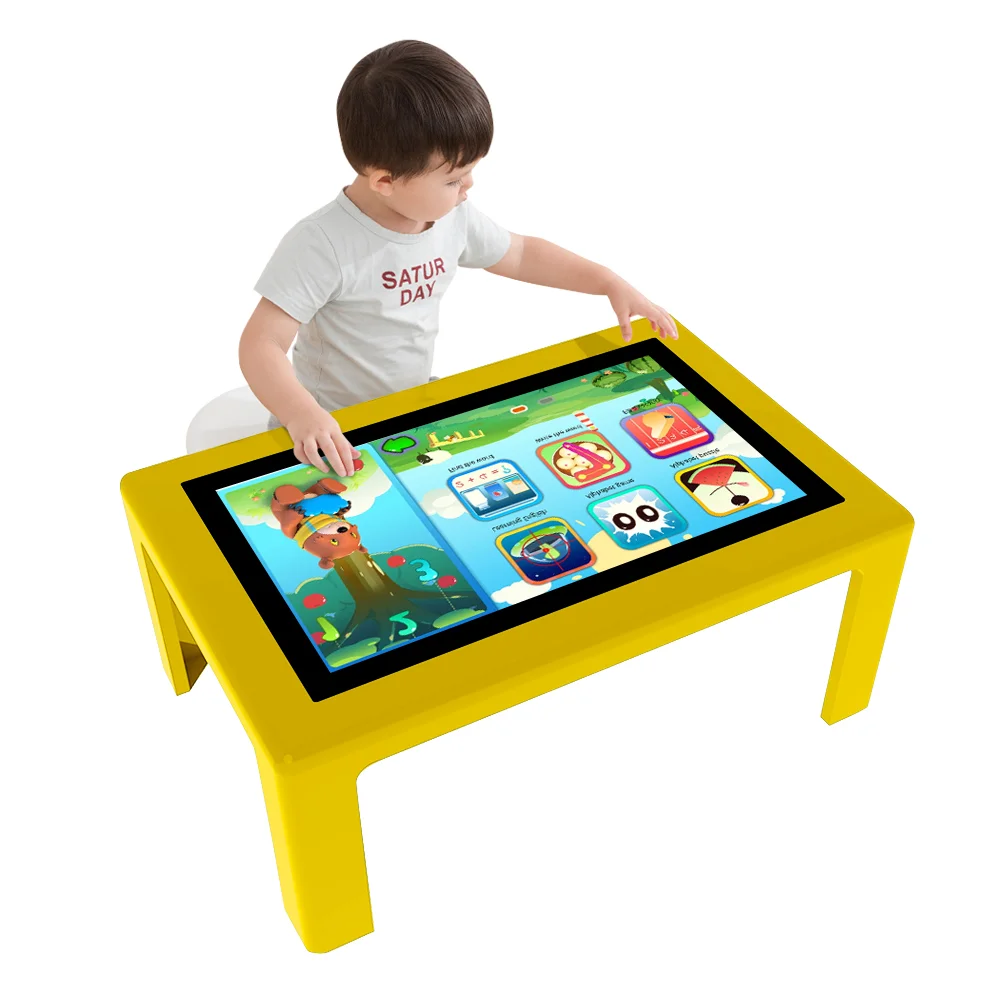
Display and Visual Clarity
At the foundation of the games table touch screen is a high-definition, often commercial-grade, display panel. These panels are engineered for prolonged, continuous operation, unlike standard consumer televisions. Critical features include high brightness to combat ambient lighting in retail and public environments, wide viewing angles to accommodate multiple users gathered around the table, and high color accuracy for optimal content presentation. The display size is typically substantial, ranging from 32 inches up to 65 inches or more, ensuring that the digital content is easily visible and shareable among a group. Furthermore, to maximize impact, many units are designed to have a slim bezel or a near-frameless edge, creating a sleek, integrated look that is aesthetically pleasing and aligns with modern interior design standards.
Multi-Touch and Responsiveness
The defining characteristic of the games table touch screen is its advanced multi-touch capability. These units utilize sophisticated touch technologies, most commonly Projected Capacitive (PCAP) or Infrared (IR) multi-touch overlays, which allow for simultaneous input from multiple points—often supporting 10, 20, or even 40 points of touch simultaneously. This capability is vital for collaborative gaming and multi-person application use. The responsiveness and accuracy of the touch sensor must be exceptional to deliver a fluid, lag-free user experience, mimicking the immediate feedback expected from personal smart devices. This high-performance touch response ensures that complex gestures and fast-paced game interactions are handled seamlessly, making the games table touch screen an intuitive and reliable interface.
Durability and Public Space Readiness
Given their intended deployment in public, high-traffic areas like lobbies, malls, museums, and showrooms, the physical construction of a games table touch screen must prioritize durability. The surface is typically covered with chemically strengthened glass, engineered to withstand significant pressure, spills, and constant touching without scratching or cracking. The outer housing is often constructed from robust, commercial-grade materials like steel or aluminum, protecting the internal computing components. Moreover, effective thermal management systems are built into the design to ensure reliable performance under continuous use, preventing overheating that could lead to component failure. This ruggedization is essential to maintain the display’s uptime and protect the owner’s investment.
Strategic Applications in Digital Signage
The games table touch screen offers a unique set of functional capabilities that make it a powerful asset across several key sectors within the digital signage landscape.
Enhancing Retail and Showroom Engagement
In retail environments, the games table touch screen transforms passive waiting time into an active, branded experience. Brands can deploy collaborative product configurators, digital catalogs that can be explored simultaneously by several customers, or even branded mini-games that reward interaction with discounts or loyalty points. This type of engagement not only captures customer attention but also encourages longer dwell times in the immediate vicinity of the product display. For instance, a furniture retailer could use the table to let couples collaboratively design a room layout, manipulating virtual objects in a shared space, thereby deepening their emotional connection to the product and facilitating the sales process.
Transforming Public and Educational Spaces
Museums, libraries, and educational institutions are increasingly utilizing the games table touch screen for collaborative learning and interactive exhibits. The platform is perfect for displaying large maps, historical timelines, or scientific models that require simultaneous manipulation and exploration by groups of students or visitors. In public transit hubs or airport lounges, these tables offer entertainment, interactive navigation guides, and localized information that passengers can access together, making the waiting experience more pleasant and productive. The inherent social nature of the horizontal display maximizes the impact of the content by making the experience shared rather than isolated.
Corporate and Collaborative Environments
Beyond pure consumer applications, the games table touch screen serves as an advanced collaborative tool in corporate settings. It can function as an interactive planning board for architectural firms, a financial data visualization tool for trading floors, or a brainstorming surface for creative teams. Its ability to handle multi-user input simultaneously makes it far more effective for spontaneous group discussions than a vertical screen or a small tablet. By facilitating natural, face-to-face team interaction over a shared digital workspace, this technology enhances communication and accelerates decision-making processes, adding significant value to business operations.
Value Proposition and Future Trends
The investment in a games table touch screen is justified by its capacity to solve key engagement challenges and its readiness for future digital trends.
Driving Interaction and Data Capture
Unlike static signage, the games table touch screen provides valuable, measurable data on user engagement. Businesses can track which games or applications are most popular, how long users interact, and even analyze complex touch patterns. This data provides actionable insights into consumer behavior and content effectiveness, allowing for continuous optimization of the digital content strategy. By fostering high-quality interaction, the device ensures that the digital display delivers a quantifiable return on investment.
Embracing Advanced Software and Sensory Integration
The future utility of the games table touch screen lies in its integration with advanced technologies. Expect to see greater incorporation of proximity sensors that activate content when users approach, seamless integration with mobile devices via NFC or QR codes for content transfer, and sophisticated software that uses AI to personalize the experience based on observed group demographics or previous interactions. The platform’s robust computing power ensures it is ready to handle these next-generation applications, cementing its status as a forward-looking digital signage solution.
Frequently Asked Questions
Q1: What is the ideal environment for deploying a games table touch screen?
The ideal environment is any high-traffic area where people gather and have potential dwell time, such as retail flagship stores, hotel lobbies, corporate visitor centers, museums, and transportation terminals, because the horizontal format encourages group interaction and longer engagement.
Q2: How does the games table touch screen handle liquid spills and hygiene concerns?
Commercial-grade games table touch screen units are built with an IP-rated sealed enclosure and feature a chemically strengthened glass surface that is resistant to liquids. The glass surface is easy to clean with standard non-abrasive disinfectants, ensuring the device remains hygienic and operational in public spaces.
Q3: What is the typical maintenance requirement for these touch screen tables?
Maintenance is generally minimal, focused primarily on routine cleaning of the glass surface and ensuring proper ventilation. Due to their commercial-grade internal components and robust construction, these tables are designed for long periods of continuous operation with limited technical intervention required.