Want Energy-Saving Hanging Window Display Screen?
I have analyzed thousands of retail environments to understand how visual engagement drives sales. A high-quality Hanging window display screen is the most effective tool for capturing the attention of passersby. It transforms a static storefront into a dynamic marketing portal. Many business owners struggle with high electricity costs when using digital signage.
I believe that choosing an energy-saving model is no longer optional. Modern commercial-grade displays now feature advanced LED backlighting and intelligent dimming. These technologies ensure that your screen remains bright during the day. They also reduce power consumption during evening hours. This balance is critical for long-term profitability in retail stores.
The primary goal of this guide is to explain why you should invest in energy-efficient displays. We will examine the technical specifications that define a superior screen. I will also provide insights into the broader industrial hardware market. You will learn how to maximize your return on investment through smart sourcing. Let us dive into the world of high-brightness digital signage.
Why Energy Efficiency is Vital for Digital Signage?
Retailers often overlook the hidden costs of running a Hanging window display screen 24/7. High-brightness screens can consume significant power if they are poorly designed. I have seen operational costs drop by 30% when switching to energy-saving models. This efficiency stems from high-efficiency power supply units and optimized thermal management.
Reducing Long-Term Operating Costs
Energy-saving screens use smart light sensors to adjust brightness automatically. During peak sunlight, the screen increases its output to maintain visibility. On cloudy days or at night, it dims to save energy. This prevents unnecessary power draw and extends the life of the display components. Over five years, these savings can cover a significant portion of the initial purchase price.
Sustainability and Modern Brand Image
Customers today favor brands that demonstrate environmental responsibility. Utilizing energy-efficient technology reduces your store’s carbon footprint. I recommend highlighting your green initiatives within your digital content. This creates a positive connection with eco-conscious consumers. It shows that your business values both innovation and sustainability.
Minimizing Heat Generation and Maintenance
Excessive heat is the main cause of electronic failure in window displays. Energy-saving models produce less heat because they operate more efficiently. This reduces the load on internal cooling fans and prevents screen yellowing. Lower temperatures mean fewer maintenance visits and a longer overall lifespan. Reliability is just as important as the initial visual impact.
Key Features of a Hanging Window Display Screen
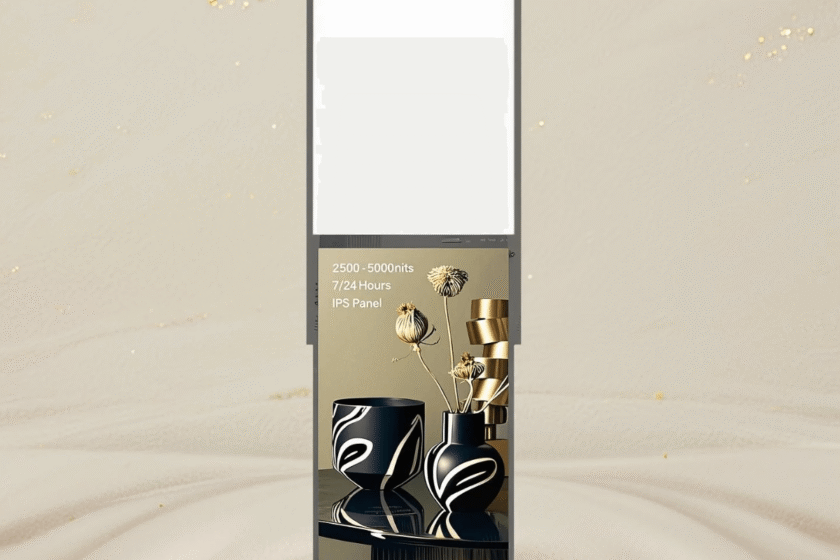
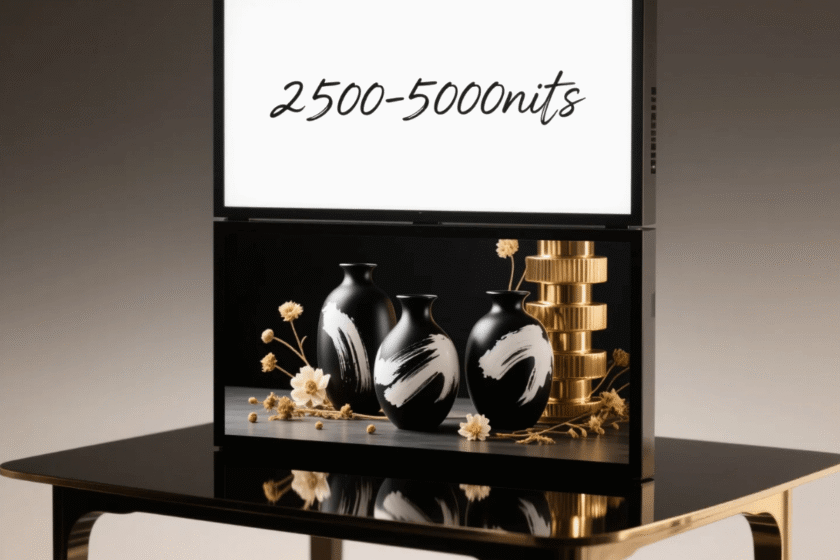
A commercial-grade Hanging window display screen must perform in direct sunlight. Home-grade televisions will quickly fade or overheat in a window. I always prioritize high-brightness ratings, measured in nits, for these applications. You should look for screens that offer at least 2500 nits for sun-facing windows.
High Brightness vs. Sunlight Interference
Sunlight can easily wash out standard digital displays. A professional Hanging window display screen uses specialized panels to fight glare. These panels maintain high contrast ratios even in bright environments. This ensures your promotions are always legible to people on the street. I have found that visibility directly correlates with store walk-in rates.
Dual-Sided LCD Benefits for Retail
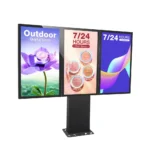
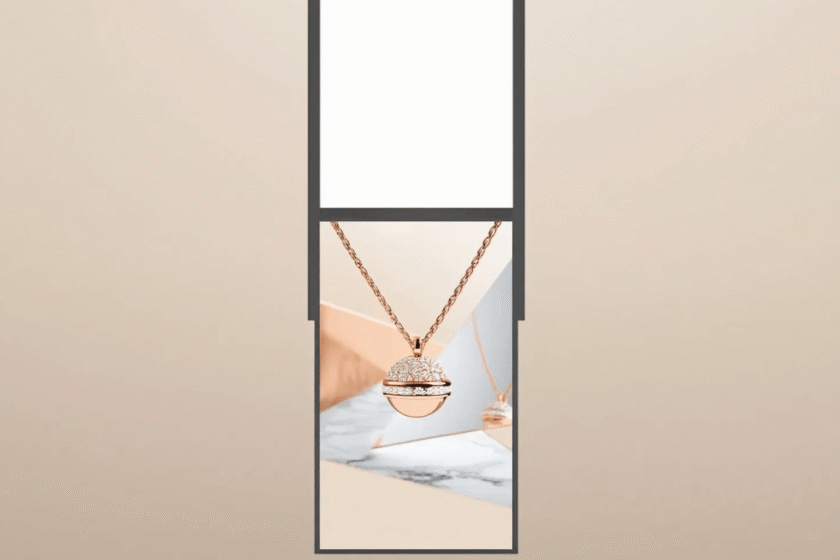
Dual-sided screens offer a significant advantage for narrow storefronts. One side faces the exterior to attract new customers. The other side faces the interior to promote up-selling to existing shoppers. This maximizes the utility of the ceiling-mounted space. It effectively doubles your advertising real-time without taking up more floor space.
Ultra-Thin Design and Mounting Versatility
Retailers value clean aesthetics and minimal clutter. An ultra-thin Hanging window display screen looks modern and sophisticated. Ceiling-mounted systems allow the screen to appear as if it is floating in the window. This keeps the line of sight clear for customers looking into the store. Proper mounting also simplifies the installation process for shopfitters.
How to Choose the Best Display for Your Store?
Choosing the right screen requires balancing performance with budget. You must consider the orientation of your store and the distance of the viewers. I suggest measuring the peak sunlight hours for your specific window location. This data will help you determine the exact brightness level required.
Thermal Management and Cooling Systems
Window environments can reach high temperatures due to the greenhouse effect. I recommend displays with integrated cross-flow fans for better airflow. These systems keep the LCD panel within optimal temperature ranges. Proper cooling prevents the “blackening” effect often seen on inferior screens. Always ask about the operating temperature range before buying.
Content Management and Connectivity
A great screen is only as good as the software running it. Modern displays often include built-in Android or Windows media players. This allows you to update content remotely via Wi-Fi or 4G. I prefer systems that support scheduled playbacks and cloud-based management. This saves time and ensures your messaging is always current.
Durability and Commercial Grading
Standard monitors are designed for eight hours of use per day. A professional Hanging window display screen is rated for 24/7 operation. They use heavy-duty components that resist screen burn-in. I have found that commercial-grade screens have a 50,000-hour lifespan. This is far superior to consumer electronics used in business settings.
Technical Sourcing: From Displays to Automation Components
Maintaining high-end retail displays requires more than just the screen itself. Behind the scenes, precision manufacturing creates these advanced digital tools. Many of the factories producing these screens rely on high-performance industrial motors. Finding an Original new Mitsubishi HF-SP7024 in stock is vital for these assembly lines.
Wholesale Mitsubishi HF-SP Series Servo Motors in Production
The production of thin-film transistors (TFTs) requires extreme mechanical precision. Factories often utilize Wholesale Mitsubishi HF-SP series servo motors to control assembly robots. These motors provide the stable torque needed for delicate screen lamination. Reliability in these motors ensures that screens are built without defects. High-quality production leads to better energy efficiency in the final product.
How to Buy HF-SP7024 Servo Motor Online for Maintenance
When production equipment breaks down, technicians must act quickly. Many choose to Buy HF-SP7024 servo motor online to avoid long lead times. This specific 7kW motor is a staple in high-speed industrial automation. Having access to genuine parts ensures that manufacturing standards remain high. This indirectly benefits the end-user by providing a more reliable display.
The Connection Between Automation and Display Quality
Precision automation directly impacts the energy-saving capabilities of modern screens. Better motor control leads to more precise LED placement. This results in more uniform backlighting and lower power leakage. I believe that understanding the manufacturing hardware is key to judging quality. Reliability in the factory leads to reliability in your retail store.
Judging the Value of Your Digital Signage Investment
A successful digital signage strategy requires a holistic view of the hardware. You should evaluate the total cost of ownership rather than just the purchase price. This includes energy bills, maintenance costs, and potential downtime. A cheap screen may end up costing more over its lifetime.
When you look for a Ceiling-mounted high brightness LCD window display, check the energy certifications. Look for Energy Star ratings or similar international standards. These labels guarantee that the display meets strict efficiency guidelines. You should also verify the warranty terms for commercial use. A long warranty indicates that the manufacturer trusts their internal component quality.
In my professional opinion, the best display is one that simplifies your life. It should be easy to install, easy to update, and cheap to run. High-brightness dual-sided screens are currently the gold standard for high-traffic areas. They provide the best balance of visibility and advertising space. Always prioritize commercial-grade hardware to avoid the pitfalls of consumer-grade electronics.
Summary
Investing in an energy-saving Hanging window display screen is a strategic move for any retailer. These high-brightness, commercial-grade screens attract customers while keeping operating costs low. By understanding technical specs and sourcing reliable components, you ensure long-term success. Focus on dual-sided options and sunlight-readable technology to maximize your store’s visual impact and profitability.
FAQ
1. How bright should a Hanging window display screen be?
For windows that face direct sunlight, you need at least 2500 nits. If the window is in a shaded area, 700 to 1500 nits may be sufficient. Using a screen with insufficient brightness will result in a washed-out image. This makes your advertisements hard to see and reduces their effectiveness.
2. Is it difficult to install a ceiling-mounted display?
Most commercial displays come with a specialized hanging kit. These kits are designed to be secured to structural ceiling beams. I recommend hiring a professional installer for the first setup. They will ensure the screen is level and the wiring is hidden. This creates the professional “floating” look that retailers desire.
3. What is the difference between single and dual-sided screens?
A single-sided screen only has a display on the side facing the window. A dual-sided screen has two displays back-to-back. One side attracts people from the street, while the other informs people inside the store. Dual-sided screens are more efficient for maximizing advertising real estate.
4. Why should I buy HF-SP7024 servo motor online for industrial use?
Online sourcing allows for faster replacement of critical manufacturing components. The HF-SP7024 is a 7kW motor used in heavy-duty industrial automation. Buying from verified online stock reduces machine downtime in factories. This ensures that production lines for electronics remain active and productive.
5. Can digital signage really save energy compared to traditional lightboxes?
Yes, modern energy-saving displays use LED technology which is highly efficient. Intelligent dimming further reduces power consumption based on ambient light levels. Unlike traditional lightboxes that use constant power, digital screens vary their draw. This often results in lower overall energy costs for larger advertising surfaces.
Reference Sources
Digital Signage Federation – Best Practices for High-Brightness Displays
IEEE – Research on Thermal Management in Commercial LCD Panels
Mitsubishi Electric – Technical Specifications for HF-SP Series Servo Motors