Digital Signage Screen: How to Choose the Best?
In the current era of rapid digital transformation, the way businesses communicate with their audience has shifted from static posters to dynamic, high-definition visual experiences. At the center of this revolution is the digital signage screen, a sophisticated hardware solution designed to capture attention, convey real-time information, and drive consumer behavior. Whether you are walking through a high-end retail mall, waiting in a busy airport terminal, or checking a menu at a quick-service restaurant, these screens are the primary touchpoint for modern brand storytelling. For business owners and marketing professionals, selecting a professional-grade digital signage screen is not merely a purchase; it is a strategic investment in communication infrastructure. Understanding the nuances of brightness, durability, and content management systems is essential to ensure that your message remains vibrant and effective in diverse lighting environments. This article provides a deep dive into the technical excellence and practical applications of modern commercial displays.
The Technical Superiority of Commercial Displays
When analyzing a digital signage screen, it is crucial to distinguish between a standard consumer television and a professional-grade commercial monitor, as their internal architectures serve vastly different purposes.
Reliability and Duty Cycles
One of the most significant advantages of a professional digital signage screen is its ability to operate for extended periods without performance degradation. While a home TV is typically designed for about six to eight hours of daily use, a commercial display is engineered for 16/7 or even 24/7 operation. This high duty cycle requires superior thermal management systems and industrial-grade internal components that prevent “image burn-in” and overheating. Moreover, the cooling fans and heat sinks within a high-quality digital signage screen are strategically placed to ensure airflow even when the unit is mounted in a tight enclosure or against a wall. This structural integrity ensures that your investment remains operational for years, providing a significantly lower total cost of ownership compared to residential screens that would fail under the same pressure.
Brightness and Sunlight Readability
The impact of ambient lighting on visual content cannot be ignored. A standard consumer screen usually peaks at about 250 to 350 nits of brightness, which often appears washed out in bright commercial lobbies. In contrast, a specialized digital signage screen offers brightness levels ranging from 500 nits for indoor use to over 3,000 nits for window-facing or outdoor applications. This high luminance, combined with advanced anti-glare coatings, ensures that the content remains legible even under direct sunlight. Furthermore, many commercial displays feature ambient light sensors that automatically adjust the brightness based on the time of day, which not only preserves the longevity of the LED backlight but also reduces energy consumption during nighttime hours.
Panel Technology and Viewing Angles
To maintain a premium brand image, color accuracy and wide viewing angles are non-negotiable. Modern digital signage screen units frequently utilize IPS or high-end VA panels that provide 178-degree viewing angles. This means that whether a customer is standing directly in front of the screen or approaching from a side aisle, the colors remain consistent and the text stays sharp. Unlike cheaper panels that experience “color shifting” when viewed from an angle, professional screens ensure that your brand’s specific color palette is represented accurately to every passerby. This consistency is vital for maintaining brand integrity across a large network of displays.
Strategic Applications Across Industries
The versatility of the digital signage screen allows it to adapt to various business objectives, ranging from wayfinding to high-impact advertising.
Retail and Brand Experience
In the retail sector, the digital signage screen serves as a silent salesperson. By integrating high-resolution video and motion graphics, retailers can showcase seasonal collections or demonstrate product features in ways a static sign never could. These screens often work in tandem with data analytics to show specific content based on the demographics of the shoppers nearby. Additionally, the ability to update pricing or promotions instantly across multiple store locations via the cloud gives retailers a level of agility that is necessary in a fast-paced market. The visual weight of a large, vibrant screen creates a modern atmosphere that encourages customers to stay longer and engage more deeply with the brand.
Corporate Communication and Wayfinding
Inside large corporate headquarters or healthcare facilities, a digital signage screen is an essential tool for navigation and internal communication. Wayfinding kiosks help visitors navigate complex building layouts, reducing frustration and improving the overall user experience. At the same time, internal screens in employee breakrooms can be used to share company news, safety protocols, or real-time performance metrics. This direct line of communication helps build a cohesive company culture and ensures that everyone is aligned with the latest organizational goals. Because these screens are managed centrally, the information is always current and relevant.
Interactive Public Information Hubs
The evolution of touch technology has transformed the digital signage screen into an interactive information hub. In transportation hubs like bus stations or train terminals, interactive screens allow commuters to check schedules, buy tickets, or find local points of interest. These displays must be built with toughened, shatter-resistant glass to withstand heavy public use. The integration of high-speed processors within these interactive units ensures that the touch response is instantaneous, providing a seamless user experience that feels as intuitive as using a smartphone. This level of utility makes digital signage a vital part of smart city infrastructure.
Selecting the Right Enclosure and Mounting
The environment in which a digital signage screen is placed dictates the type of physical protection and mounting hardware required for safety and aesthetics.
Outdoor Protection and IP Ratings
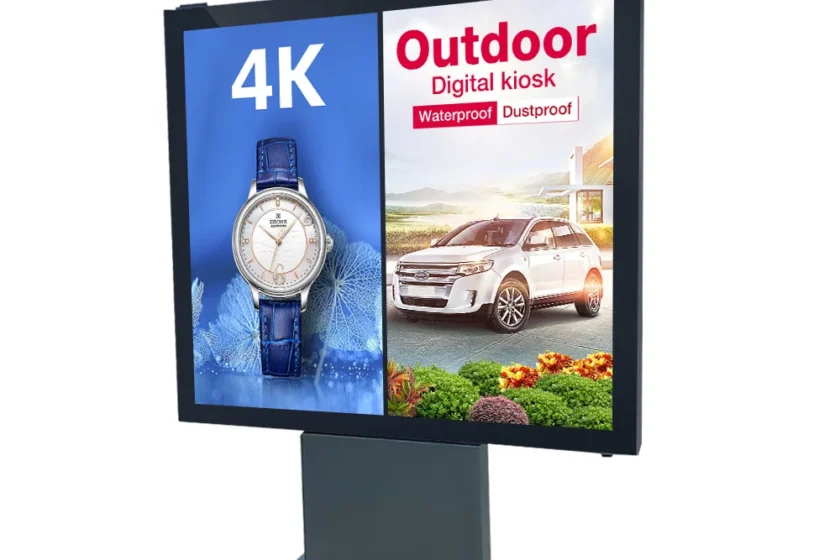
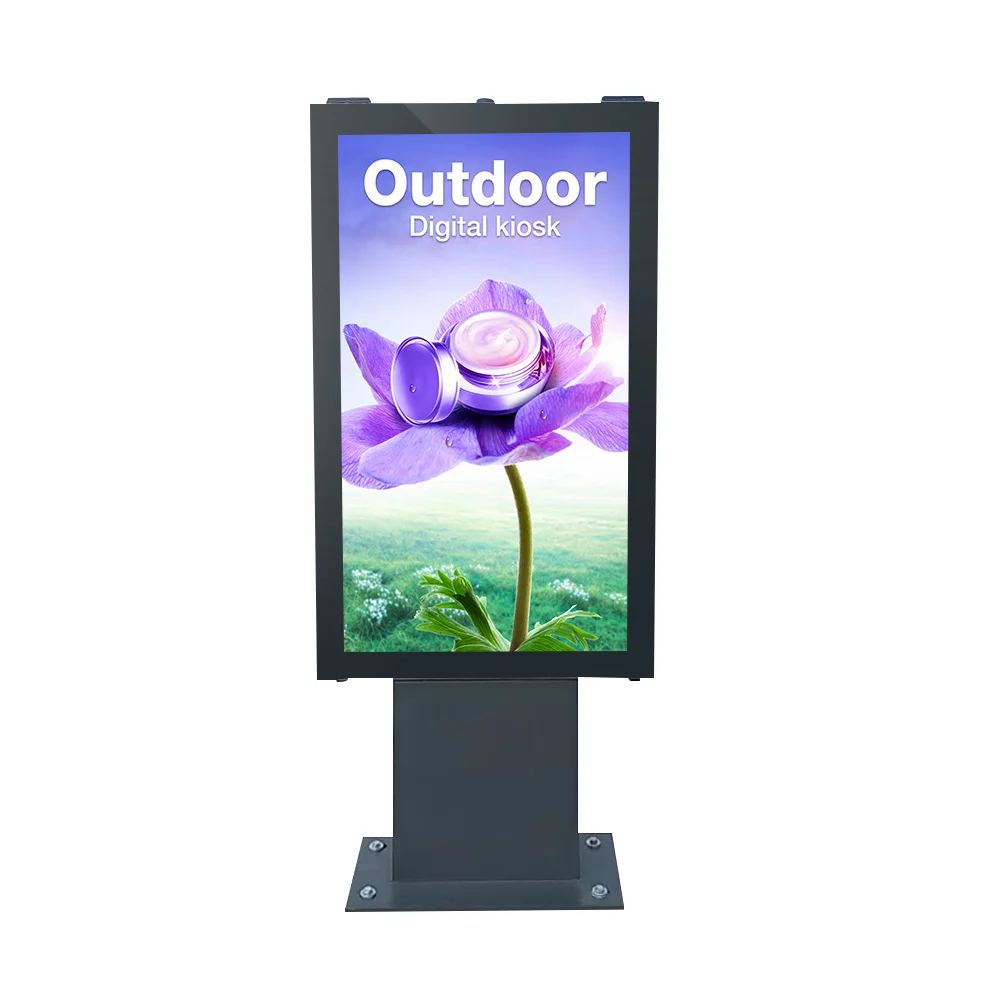
For businesses that require an outdoor digital signage screen, protection against the elements is the top priority. These units must have high Ingress Protection (IP) ratings, such as IP56 or IP65, which indicate that the screen is sealed against dust, rain, and snow. Beyond moisture protection, outdoor screens also feature integrated heating and cooling systems to handle extreme seasonal temperature swings. The glass is often tempered and IK10-rated for impact resistance, protecting the sensitive electronics from potential vandalism. This ruggedization allows the screen to deliver high-impact advertising in high-traffic outdoor areas like plazas or gas stations.
Sleek Aesthetics and Professional Mounting
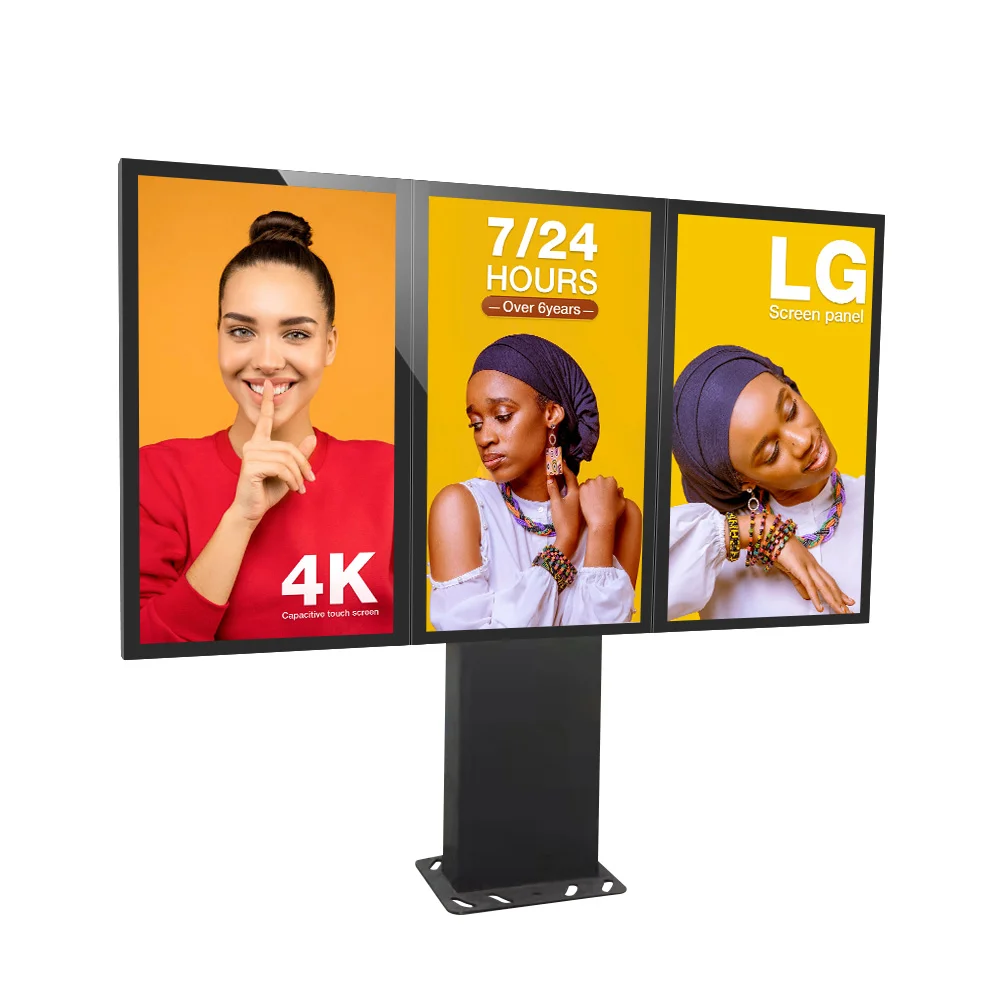
In premium indoor environments, the aesthetic integration of the digital signage screen is just as important as its performance. Slim-bezel designs allow for the creation of near-seamless video walls, where multiple screens are tiled together to form a massive, high-impact canvas. Professional mounting solutions, such as pop-out wall mounts, allow for easy access to the back of the screen for maintenance while keeping the display perfectly level. Cable management systems are also integrated into these mounts to hide unsightly wires, ensuring that the focus remains entirely on the digital content. This clean, professional look reinforces the high-end nature of the business.
Conclusion
The digital signage screen has become the cornerstone of effective modern communication, offering a level of flexibility and visual impact that traditional media simply cannot match. From the industrial-grade reliability required for 24-hour operation to the ultra-high brightness needed for sunlight readability, these displays are engineered to solve the unique challenges of the commercial environment. By choosing a professional-grade screen over a consumer alternative, business owners ensure that their message is delivered with clarity, vibrancy, and consistency. As display technology continues to advance, the role of digital signage will only grow, providing even more innovative ways for brands to connect with their audience in the physical world.
FAQ
Q1: Can I use a regular home TV as a digital signage screen?
While it is technically possible to use a home TV, it is not recommended for commercial use. A consumer TV lacks the thermal management required for long operating hours, often leading to overheating and shortened lifespans. Furthermore, a professional digital signage screen is significantly brighter and comes with a commercial warranty that covers usage in a business environment, which is typically voided when using a consumer TV for such purposes.
Q2: How do I manage the content on my digital signage screen?
Most modern digital signage screen units come with a built-in System-on-Chip (SoC) or can be connected to an external media player. These systems allow you to use Content Management Software (CMS) to upload, schedule, and update your visuals remotely over the internet. This means you can change the content on one screen or a thousand screens simultaneously from a single central location.
Q3: What is the average lifespan of a professional digital signage screen?
A high-quality digital signage screen is typically rated for 50,000 to 70,000 hours of use before the backlight reaches half its original brightness. If operated 24 hours a day, this translates to approximately six to eight years of continuous service. By following proper maintenance routines and using ambient light sensors to dim the screen at night, you can often extend the operational life of the display even further.