Why Your Window Needs Digital Signage?
A digital signage display in your storefront window is the most effective way to bridge the gap between street traffic and store entry. Traditional static posters often fade and fail to capture the attention of busy modern consumers. By using dynamic visuals, a digital signage display ensures your brand message remains vibrant and engaging throughout the day. This technology uses high-intensity light and motion to stop passersby, significantly increasing the chances of a store visit.
The primary reason your window needs this technology is visibility. Modern storefronts face extreme competition from sunlight, which makes standard screens appear black or washed out. A specialized window digital signage display provides high-brightness levels, often exceeding 2,500 nits, to cut through direct glare. This ensures your promotions remain visible even on the brightest summer days. Furthermore, the ability to update content instantly allows for real-time marketing strategies that traditional print cannot match.
Investing in digital signage displays transforms your window into a 24/7 salesperson. Even when your shop is closed, the screen continues to build brand awareness and showcase upcoming events. Movement and light are biological triggers for the human eye, making dynamic signage up to 400% more engaging than static images. This transition to digital helps retailers stay relevant in an increasingly competitive physical landscape.
Transforming Storefronts with Digital Signage Displays
Retailers are constantly searching for ways to maximize the value of their physical real estate. Storefront windows represent prime advertising space that is often underutilized with static imagery. Implementing digital signage displays allows for a versatile storytelling approach that adapts to the time of day or specific customer demographics. This flexibility turns a simple window into a high-conversion marketing channel.
Overcoming Sun Glare with High Brightness
Standard television screens typically offer around 300 to 500 nits of brightness. For a window facing the sun, this is insufficient, as the reflection will overpower the image. Professional digital signage displays for windows are engineered with brightness ratings between 2,500 and 3,500 nits. High-brightness screens ensure clear visibility in direct sunlight, which is critical for storefronts with southern exposure. This technical specification is the most important factor in ensuring your investment is actually seen by the public.
Increasing Foot Traffic through Dynamic Motion
Research shows that moving images catch the eye significantly faster than static ones. By using high-definition video and animation, you can highlight specific products or limited-time offers more effectively. Dynamic content increases foot traffic by an average of 24% for most retail locations. Digital systems allow you to rotate multiple advertisements, meaning you can promote ten products in the time it takes a static poster to show one. This variety keeps the storefront fresh and interesting for daily commuters.
Benefits of Outdoor Digital Signage and Window Units
While many businesses think of internal screens first, outdoor digital signage concepts applied to windows offer unique advantages. A window-mounted unit provides the benefits of an outdoor screen without the need for heavy weatherproofing enclosures. This makes them a more accessible entry point for small to medium-sized businesses looking to modernize. These displays function as a digital beacon, drawing people in from across the street.
Cost-Effectiveness vs. Traditional Print
The recurring costs of printing, shipping, and installing paper posters add up quickly over a fiscal year. With outdoor digital signage strategies, those physical costs are eliminated after the initial hardware purchase. You can change your entire campaign with a single click from a remote office. Digital signage reduces long-term marketing expenses by removing recurring print production costs. This allows businesses to be more experimental with their messaging without financial risk.
Remote Content Management Systems
One of the greatest advantages of digital signage displays is the use of a Content Management System (CMS). A CMS allows you to schedule different content for morning, afternoon, and evening shoppers. For example, a cafe can show breakfast specials until 11:00 AM and then automatically switch to lunch deals. This automation ensures the right message reaches the right audience at the perfect time. Automated scheduling maximizes the relevance of every advertisement shown, leading to higher conversion rates.
Choosing the Right Digital Signage Outdoor Solutions
Selecting the correct hardware for a window or an external environment requires technical scrutiny. Not all screens are built to withstand the high temperatures generated by sunlight and electronic components. When looking at digital signage outdoor options, thermal management becomes a top priority. A screen that overheats will suffer from “blackening,” where the liquid crystals fail due to thermal stress.
Weather Resistance and Durability
Even when placed behind a window, a display faces heat and UV radiation. Digital signage outdoor technology often includes specialized cooling fans or heat sinks to maintain optimal operating temperatures. Professional-grade panels are designed to resist the “yellowing” effect caused by long-term UV exposure. These units are built to run 24/7, with a lifespan typically reaching 50,000 to 70,000 hours. Commercial-grade durability ensures a lower total cost of ownership over several years.
Energy Efficiency and Thermal Management
High-brightness screens require more power than home TVs, but modern LED technology has improved efficiency. Smart sensors can detect ambient light levels and adjust the screen brightness automatically. During the night, the screen can dim to save energy and reduce light pollution in urban areas. Automatic brightness adjustment reduces energy consumption by up to 50% during nighttime operation. This feature also extends the life of the LED backlights by preventing unnecessary strain.
-
Nit Rating: Ensure at least 2,500 nits for sun-facing windows.
-
Cooling System: Look for advanced thermal management to prevent blackening.
-
Connectivity: Choose units with Wi-Fi or LAN for remote updates.
-
Auto-Dimming: Essential for energy savings and neighborhood compliance.
-
Viewing Angle: IPS panels provide wide angles so pedestrians see clearly from the side.
-
Commercial Warranty: Only use screens with a professional 3-year or 5-year warranty.
How to Judge the Best Window Display for Your Store
When evaluating a digital signage display for your storefront, focus on the “Commercial Grade” label. Consumer TVs are not designed to be turned on for more than 8 hours a day. Using a home TV in a window will likely lead to failure within months due to heat and component fatigue. The most important judgment standard is the display’s ability to operate under high-heat window conditions. Professional units use specialized power boards and cooling systems that consumer models lack.
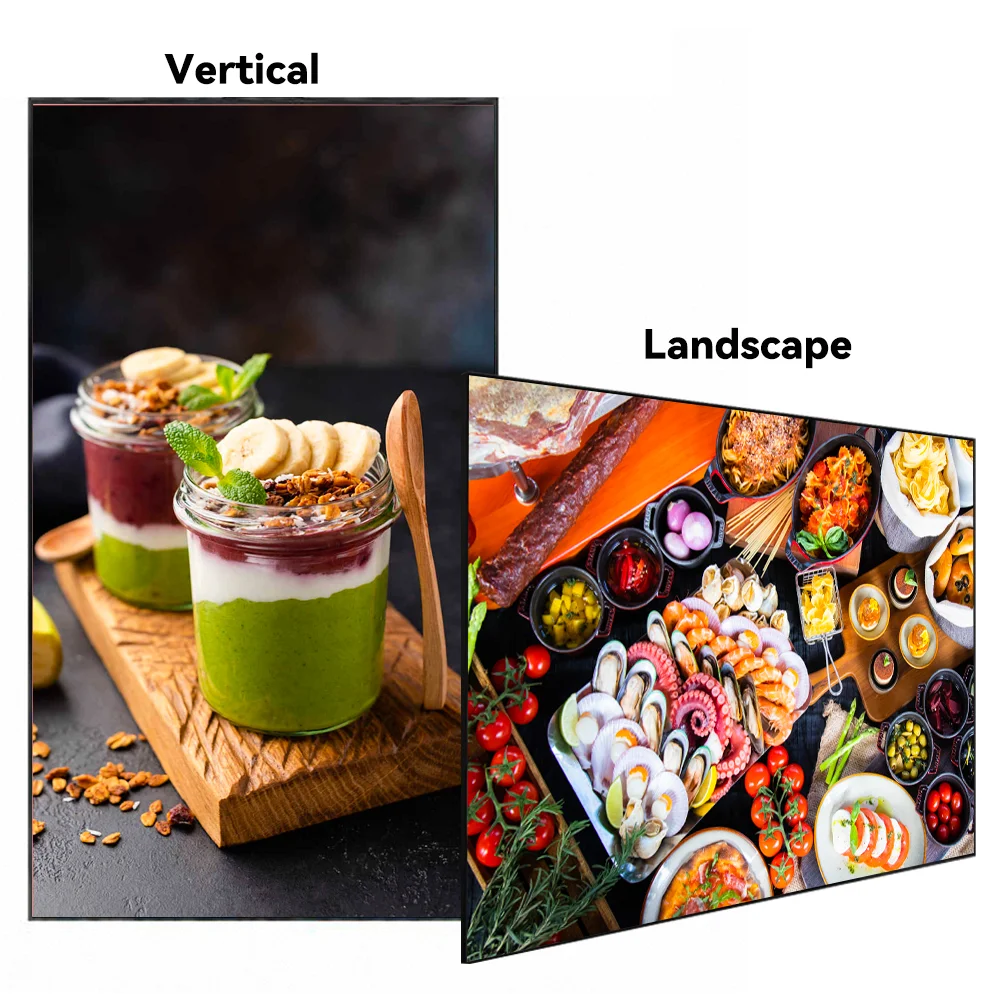
The High Brightness Wall Mounted LCD Window Display is a prime example of a solution tailored for this exact purpose. It offers the brightness needed to fight sunlight while maintaining a slim, wall-mounted profile that saves floor space. When choosing, consider how the display integrates with your current shop design. A sleek, high-brightness screen adds a premium feel to your retail environment, signaling to customers that your brand is modern and successful.
Furthermore, consider the ease of installation and the software platform provided. A high-quality digital signage display should be “plug-and-play,” allowing you to load content via USB or the cloud. If the system is too complex, it will not be updated as frequently, losing the advantage of dynamic marketing. Simplicity in content management is vital for consistent marketing success. Always verify that the hardware supports the media formats you intend to use, such as 4K video or high-resolution PNGs.
Summary
In summary, a digital signage display in your window is essential for cutting through sunlight and capturing consumer attention. These high-brightness digital signage displays increase foot traffic and brand awareness while lowering long-term printing costs. By choosing specialized outdoor digital signage technology, you ensure your marketing remains effective in all lighting conditions. Investing in commercial-grade window displays is a strategic move for any modern retail storefront aiming for growth.
FAQ
1. How bright should a window digital signage display be?
For windows that receive direct or indirect sunlight, a brightness of at least 2,500 nits is recommended. If the window is shaded or north-facing, 1,000 to 1,500 nits may be sufficient. Using a standard 350-nit screen in a window will usually result in an unwatchable image due to reflections.
2. Can I use a regular TV as a digital signage display?
No, regular TVs are not designed for the heat of a window or 24/7 operation. They will likely overheat, develop black spots, and their warranty will be voided in a commercial setting. Professional displays are built with cooling systems and higher-quality components specifically for these environments.
3. Does outdoor digital signage require special maintenance?
Window-based digital signage requires very little maintenance other than keeping the glass clean. True digital signage outdoor kiosks (placed outside the building) require regular checks on filters and seals. Window units are protected by the building’s glass, making them very easy to maintain.
4. What is the lifespan of a commercial digital signage display?
Most commercial displays are rated for 50,000 to 70,000 hours of continuous use. This equates to about 6 to 8 years of 24/7 operation. Proper ventilation and using the auto-dimming feature can help extend this lifespan even further.
5. Is it difficult to change the content on digital signage displays?
Modern systems are very user-friendly. Most allow you to upload images and videos via a USB stick or a web-based CMS. With cloud-based software, you can manage screens at multiple locations from a single laptop or smartphone anywhere in the world.
Reference Sources
Data on consumer engagement and digital signage impact in retail environments
Technical specifications for high-brightness LCD panels and thermal management
Guidelines for choosing brightness and durability in retail signage