Where to Use a Digital Transparent Box?
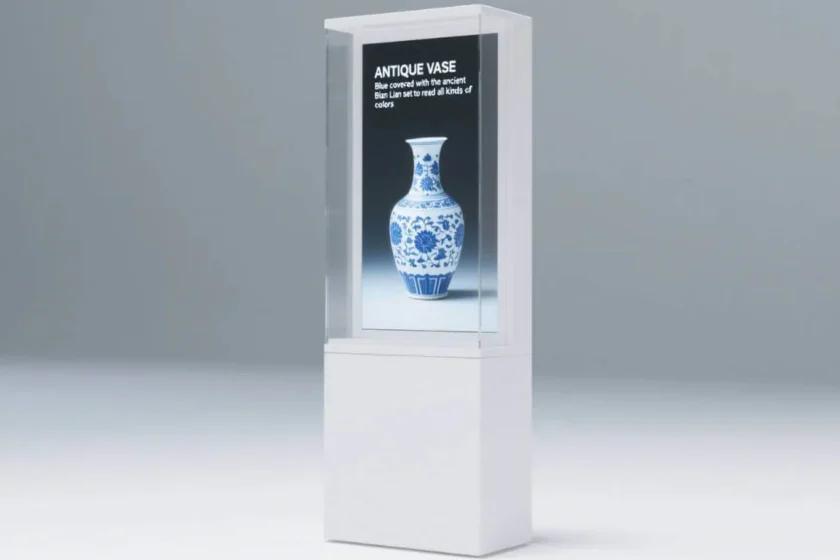
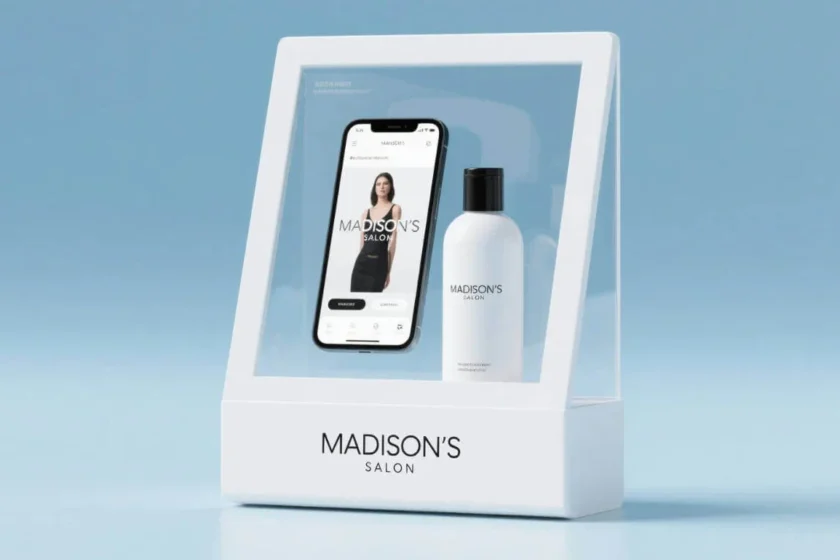
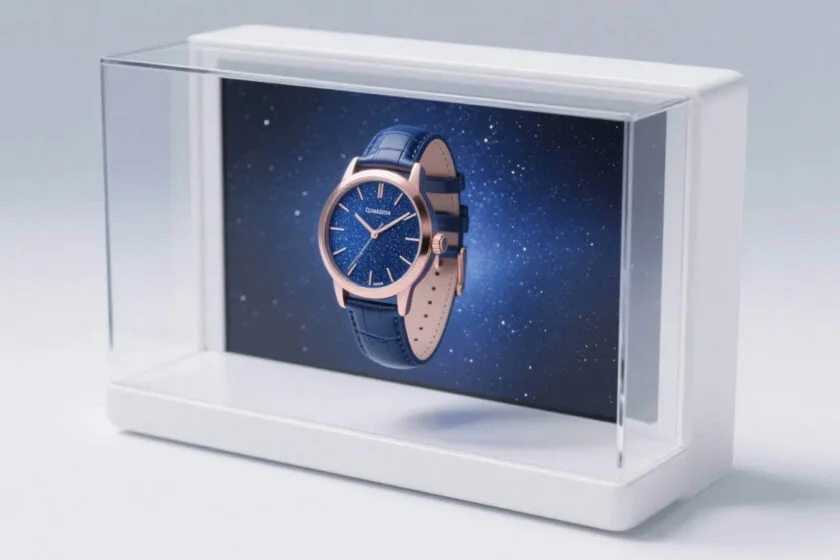
A Digital Transparent Box is a cutting-edge display solution that blends physical products with vibrant digital content. It allows viewers to see a real object through a transparent LCD screen. This screen displays high-definition graphics, animations, or data overlays.
You can use a Digital Transparent Box in locations where visual impact and storytelling are essential. The most common areas include luxury retail stores, high-tech showrooms, and historical museums. These devices transform traditional static displays into interactive marketing tools.
Businesses choose these boxes to bridge the gap between physical reality and digital information. By placing a product inside, you can highlight features that are otherwise invisible. This setup creates a “wow” factor that attracts foot traffic in busy environments.
Key Locations for Digital Transparent Box Integration
The versatility of the Digital Transparent Box makes it suitable for various high-end environments. Identifying the right location depends on your target audience and the complexity of your product.
1.Luxury Retail Boutiques: High-end brands use these boxes to showcase jewelry, watches, or designer perfumes. The digital layer can display floating prices, brand history, or sparkling visual effects.
2.Museums and Art Galleries: Curators use transparent displays to explain the history of fragile artifacts. Digital text can appear over the object without obstructing the view of the physical item.
3.Corporate Lobbies and Showrooms: Tech companies use them to demonstrate hardware components. You can show how internal circuits work while the physical device sits safely inside.
4.Trade Shows and Exhibitions: In a crowded hall, a Digital Transparent Box acts as a visual magnet. It captures the attention of passersby more effectively than traditional posters or static screens.
5.High-End Hospitality: Luxury hotels and casinos use these displays to showcase premium spirits or limited-edition collectibles. It adds an air of exclusivity and modernity to the space.
High-End Retail and Luxury Goods
In the retail sector, visual storytelling drives sales and brand loyalty. A Digital Transparent Box provides a unique way to present small, valuable items.
The display can show a digital “X-ray” view of a luxury watch movement. This helps customers understand the craftsmanship behind the price tag. Research suggests that interactive displays can increase dwell time by up to 40% in retail settings.
Educational and Cultural Exhibitions
Museums often struggle to make ancient objects relevant to modern audiences. A Digital Transparent Box solves this by adding an educational layer.
Imagine a Greek vase placed inside a transparent display. The screen can animate the scenes painted on the pottery, bringing the history to life. This interactive approach significantly improves information retention for students and tourists.
How Digital Transparent Boxes Enhance User Engagement
The primary goal of a Digital Transparent Box is to stop people in their tracks. It utilizes the “Peppers Ghost” effect in a modern, digital format.
Data shows that 70% of consumers find interactive digital signage more engaging than traditional ads. The combination of a 3D physical object and 1080P digital graphics creates a deep sensory experience.
1.Higher Information Recall: Users remember products better when they interact with both physical and digital elements.
2.Increased Foot Traffic: The glowing screen and moving graphics naturally draw people toward the display.
3.Reduced Sales Friction: The screen can provide technical specs, reducing the need for immediate staff intervention.
4.Enhanced Brand Perception: Using advanced technology positions your brand as an innovative leader in your industry.
Technical Requirements for Effective Placement
To get the most out of a Digital Transparent Box, you must consider the environment. Lighting is the most critical factor for transparent LCD technology.
These displays do not have a traditional backlight. Instead, they rely on the internal LED lighting of the box to make the screen visible.
1.Ambient Lighting Control: Avoid placing the box directly under bright sunlight or heavy overhead glare.
2.Connectivity Needs: Ensure there is a reliable power source and a stable Wi-Fi or LAN connection for content updates.
3.Product Sizing: Choose a box size that leaves enough “breathing room” around the physical object for digital animations.
4.Content Quality: Use high-contrast videos with black backgrounds, as black appears transparent on these screens.
Optimal Content Strategies
The effectiveness of your Digital Transparent Box depends heavily on your creative assets. Since the screen is transparent, white and bright colors show up best.
Darker colors allow the viewer to see through the glass more clearly. A mix of both allows you to hide or reveal the physical product at specific moments. This “reveal” technique is a powerful way to launch new products during events.
Size and Scalability Options
Digital boxes come in various sizes, ranging from 10 inches to 86 inches. Small boxes are perfect for jewelry or smartphones in retail kiosks.
Larger units are designed for car engines, fashion mannequins, or large-scale architectural models. You should select a size based on the viewing distance and the physical dimensions of your item.
Why the Digital Transparent Box is a Marketing Powerhouse
Traditional screens often distract from the physical product by forcing the viewer to look away. A Digital Transparent Box keeps the focus on the product while providing digital context.
This technology is particularly effective for complex products. For example, a medical device company can show a physical heart valve inside the box. The digital screen can then simulate blood flow around the valve.
This dual-layered communication is much more effective than a simple video or a static brochure. It allows for a layered storytelling approach that caters to different levels of customer interest.
Choosing the Right Hardware Configuration
When deploying a Digital Transparent Box, hardware stability is vital for long-term use. Most professional models feature integrated Android or Windows controllers.
These built-in systems allow for remote content management. You can change the advertising content across multiple locations from a single central office.
1.Integrated Media Players: Look for plug-and-play options like USB or HDMI inputs for easy setup.
2.Touch Screen Options: Adding IR or PCAP touch functionality allows users to “rotate” digital models or select product variants.
3.High Contrast Ratios: High-quality panels offer better transparency and more vivid colors.
4.Durability: Ensure the glass is tempered to prevent breakage in high-traffic public areas.
Selecting the Perfect Display for Your Needs
Deciding to use a Digital Transparent Box is the first step toward a more modern brand presence. However, not all displays are created equal. You must evaluate the specific needs of your project to find the right fit.
Consider whether you need a standalone unit or a module that fits into existing cabinetry. Standalone boxes are easier to move and set up for temporary events. Integrated modules offer a more seamless look for permanent retail installations.
The quality of the internal lighting is also a major differentiator. High-brightness LED strips inside the box ensure that the digital content pops without washing out the physical item. Always look for displays that offer a balance between screen clarity and object visibility.
Furthermore, software compatibility matters. If you plan to run interactive apps, an Android-based system is often the most flexible choice. If you are simply looping 1080P video, a basic USB media player might be sufficient and more cost-effective.
To explore a wide range of sizes and configurations, visit the SVDisplay product page. Their solutions provide the high transparency and reliability needed for professional environments.
Summary
A Digital Transparent Box is best used in retail, museums, and corporate showrooms to enhance product storytelling. It combines the physical and digital worlds to increase engagement and information retention. By choosing the right size and lighting, you can create a powerful visual experience that drives results.
FAQ
1. Can I use a Digital Transparent Box in bright outdoor environments?
It is not recommended to use these boxes in direct sunlight. The transparent screen relies on internal lighting, and extreme external light can wash out the digital images. They are best suited for controlled indoor environments.
2. What kind of video files do I need for a Digital Transparent Box?
Most units support standard MP4 or AVI files. For the best “transparent” effect, use videos with a pure black background. In the world of transparent LCDs, black pixels are essentially “turned off,” making that area of the glass clear.
3. Does the box require a constant internet connection?
An internet connection is only necessary if you are using a remote Content Management System (CMS). If you are using a USB drive to play a local loop, the box can operate offline indefinitely.
4. Is the glass on the Digital Transparent Box fragile?
Most professional-grade boxes use tempered glass or specialized transparent LCD panels. While they are durable, they should still be handled with care, similar to a standard television or high-end monitor.
5. How much power does a Digital Transparent Box consume?
Power consumption varies by size but is generally comparable to a standard LED TV. The main power draw comes from the high-intensity internal LED lighting used to illuminate the product.
Reference Sources
Digital Signage Federation – Industry Trends and Engagement Data
AVIXA (Audiovisual and Integrated Experience Association) – Transparent Display Standards