What Is the ROI of 3D Hologram Advertising Systems?
In my fifteen years as a digital signage strategist, I have watched traditional flat panels lose their “wow factor” for consumers. Banner blindness is real. Today, shoppers effectively ignore 80% of standard digital screens. This is where 3d hologram advertising enters as a transformative tool for high-traffic environments. These systems create the illusion of depth without requiring specialized glasses. If you are a mall manager or a luxury brand owner, you need to understand the technical mechanics behind these visuals. Choosing the right hardware is no longer just about resolution. It is about how the light interacts with the human eye to trigger an immediate emotional response. This guide will clarify the functional standards of holographic tech to help you maximize your marketing impact.
How Does 3D Hologram Technology Advertising Work?
To understand the value, we must first define the physics. 3d hologram technology advertising utilizes persistence of vision (POV) or transparent light modulation. Unlike virtual reality, these displays exist in the physical space of the viewer. This creates a “huddle effect” where people gather to share the visual experience.
The Science of Persistence of Vision
Many systems use rapid movement to create an image. A high-resolution 3d spinning hologram advertising display is the most cost-effective way to attract foot traffic in crowded malls. These devices consist of LED-embedded blades that spin at high speeds. Your brain cannot process the gaps between the blades. Instead, it interprets a floating, high-definition 3D object in mid-air.
Transparent LCD and Optical Refraction
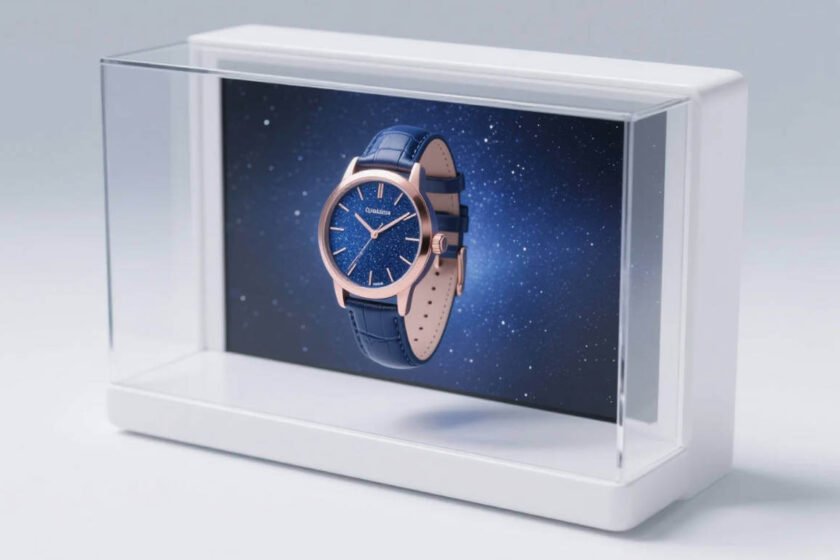
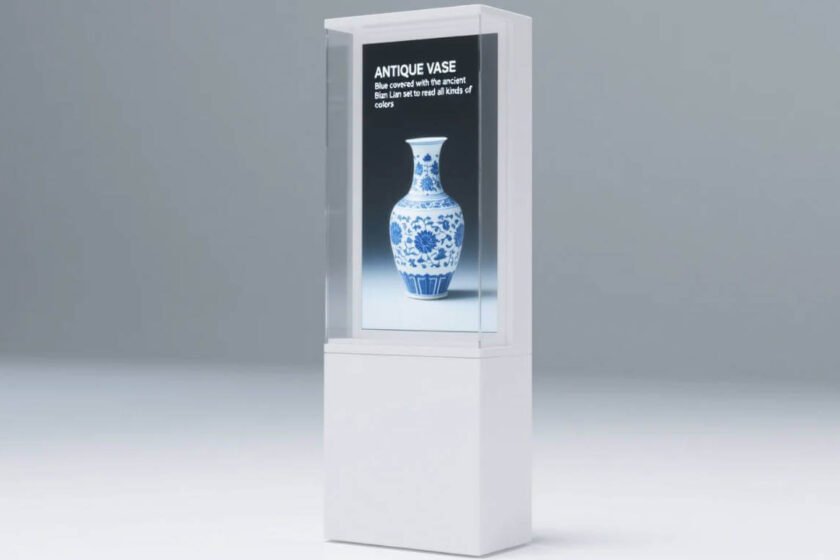
In luxury retail, “pepper’s ghost” or transparent box kiosks are preferred. These systems use high-index glass and controlled lighting. Transparent LCD technology represents the highest tier of 3d hologram technology advertising for luxury retail. It allows you to place a physical product inside a box while digital graphics float around it. This hybrid reality creates a powerful narrative for premium goods.
Evaluating the 3D Spinning Hologram Advertising Display
If you are looking for maximum brightness, the fan-based system is your primary choice. These devices are incredibly versatile for airports, trade shows, and store entrances. However, you must judge them based on several mechanical benchmarks.
Motor Durability and Cooling Standards
Spinning blades create significant heat and mechanical stress. According to IEEE standards for high-frequency electronics, the motor must be brushless. Investing in a display with a high-grade brushless motor ensures 24/7 reliability and lower acoustic noise. A loud or vibrating display will ruin the premium illusion you are trying to create.
Brightness and Sunlight Readability
LED fan displays often reach over 2,000 nits. This brightness is essential for environments with heavy overhead lighting. You should always check the LED density of the blades. Higher LED density results in smoother 3D textures and prevents “scaning lines” when users photograph the display. This social media compatibility is a major driver of modern ROI.
Understanding Hologram 3D Advertising Pricing Models
Many buyers are surprised by the variance in costs. Hologram 3d advertising pricing is not determined by the screen size alone. It involves a combination of hardware endurance, software integration, and content complexity.
Hardware vs. Content Production Costs
When evaluating hologram 3d advertising pricing, content creation often accounts for 40% of the total investment. A static 3D model is cheaper than a complex animation. Professional 3D content must be optimized for a black background to maintain the “floating” transparency effect. If your budget is tight, focus on a high-quality single-loop animation rather than multiple low-quality clips.
Maintenance and Cloud Management Fees
Remote management is a functional requirement for large-scale rollouts. Most vendors charge a subscription fee for cloud-based Content Management Systems (CMS). This allows you to update multiple locations with a single click. Choosing a hardware provider that offers an integrated CMS reduces long-term operational costs and prevents technical silos.
Identifying the Best Hardware for Your Brand
How do you judge if a specific holographic system is suitable for your infrastructure? You must analyze the ambient light and the physical interaction level of your audience. A system meant for an indoor lobby has very different cooling and protection needs than one meant for a window display.
If you are looking for an all-in-one solution that protects the electronics, I recommend exploring a professional transparent box kiosk category. These units are self-contained and offer higher security in unsupervised public areas. Selecting an enclosed system prevents physical damage to the display and maintains the optical alignment needed for 3D depth.
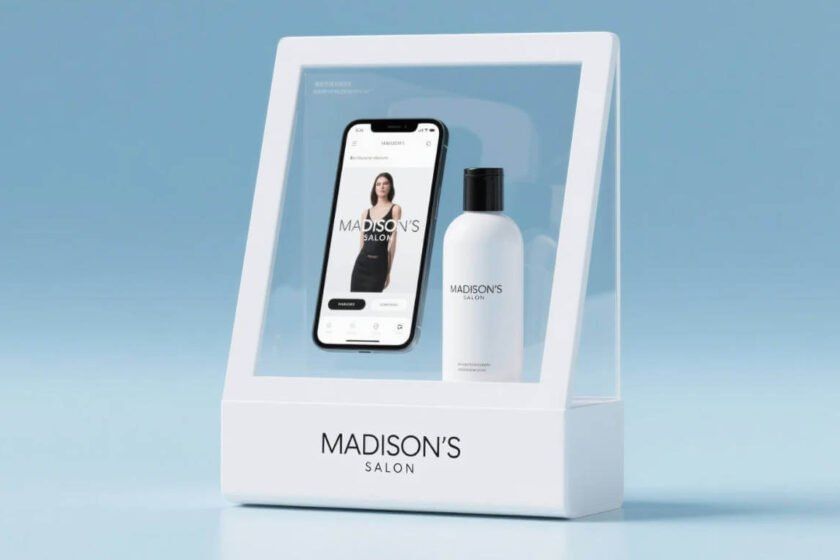
For brands that require a high-impact, artistic presentation, specialized LCDs provide the best clarity. The holographic 3d transparent LCD advertising display is a prime example of high-end hardware integration. It combines physical product placement with vivid digital overlays. The right hardware choice acts as a silent salesman that stops shoppers in their tracks, significantly increasing store dwell time.
Conclusion
3d hologram advertising provides a 30% higher engagement rate than traditional digital signage. To succeed, you must balance hologram 3d advertising pricing with the functional durability of the hardware. The conclusion for business owners is that high-resolution 3d spinning hologram advertising display units offer the fastest ROI in high-traffic retail zones. By prioritizing high-grade LED components and professional 3D content, you create a resilient advertising asset that bridges the gap between digital content and physical space.
FAQ
1. Can these displays be seen in bright daylight?
Yes, but it depends on the nits rating. LED fans with 2,000+ nits are excellent for bright areas. However, transparent LCD boxes are best suited for indoor environments with controlled ambient light. Correct placement away from direct sunlight is the most effective way to maintain 3D contrast.
2. Is special software required for 3D content?
Most systems support standard MP4 or AVI formats. However, the video must have a pure black background. The black areas are not rendered by the display, which creates the transparency effect. Using high-quality 3D modeling software is vital for ensuring the depth perception is realistic for the viewer.
3. How long do holographic fan displays last?
A high-quality brushless motor fan can run for 30,000 to 50,000 hours. This is roughly 3 to 5 years of continuous operation. Regular maintenance to remove dust from the blades is a mandatory practice for extending the life of your holographic equipment.
4. Is the setup difficult for multiple devices?
Modern units support Wi-Fi or 4G cloud management. This allows you to synchronize multiple fans to create a “hologram wall.” Utilizing cloud-based synchronization ensures that your 3d hologram advertising campaign remains consistent across your entire retail network.
5. What are the safety concerns for spinning fans?
Safety is paramount. In low-hanging areas, always use a protective acrylic cover. A 3d spinning hologram advertising display should be mounted at least 2.5 meters high if it does not have a protective casing. This prevents accidental injury to pedestrians.
Reference Sources
IEEE – Digital Holography and Industrial Display Research
AVIXA – Digital Signage Performance and Content Standards
IAB – Digital Out-of-Home (DOOH) Metrics and Pricing Guidelines