Is Rugged All-weather Digital Signage Worth the Investment?
Outdoor environments present extreme challenges for electronic displays. Rain, dust, and direct heat can destroy standard equipment in days. I have consulted on numerous projects where brands lost thousands due to improper enclosure selection. Choosing All-weather digital signage is not just an upgrade; it is a necessity for 24/7 visibility and durability. True all-weather digital signage must integrate high-brightness panels with advanced thermal management and IP-rated protection. This article explores how to select the right hardware to ensure your message survives the elements.
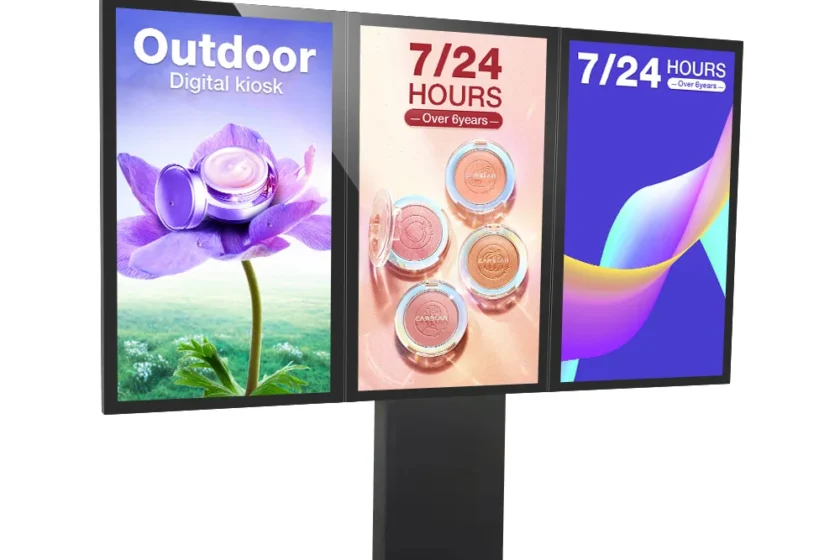
Why Use Sunlight Readable Triple Screen Digital Signage?
Standard screens often look washed out under direct midday sun. This visibility problem leads to lost advertising revenue and poor customer engagement. Using sunlight readable triple screen digital signage ensures your content remains vibrant and clear from multiple angles. High-brightness panels are critical for outdoor success, typically requiring at least 2,500 nits to combat solar glare.
Maximizing Viewing Angles with Triple Screens
Triple screen setups allow for 360-degree visibility in high-traffic areas. This configuration is ideal for transit hubs, shopping plazas, and large public squares. It ensures that pedestrians coming from any direction can see your advertisement clearly.
The Importance of High Nit Ratings
The nit is a measurement of luminance or brightness. For outdoor use, the screen must outshine the surrounding light levels. Sunlight readable triple screen digital signage utilizes specialized optical bonding to reduce reflections and improve contrast.
Why Outdoor Digital Signage with Cooling System is Essential?
Heat is the silent killer of outdoor electronics. Solar radiation can raise the internal temperature of a metal enclosure to dangerous levels. Reliable outdoor digital signage with cooling system technology prevents blackening defects on the LCD panel. A robust cooling system extends the lifespan of internal media players and power supplies significantly.
Active Air Cooling vs. Air Conditioning
Most modern kiosks use intelligent fan systems to circulate air. This method is energy-efficient and sufficient for most temperate climates. For extreme desert environments, integrated air conditioning units may be necessary to maintain safe operating temperatures.
Preventing Component Failure
Excessive heat causes capacitors to leak and processors to throttle. A well-designed thermal management system monitors internal sensors in real-time. Outdoor digital signage with cooling system technology ensures 24/7 uptime even during record-breaking summer heatwaves.
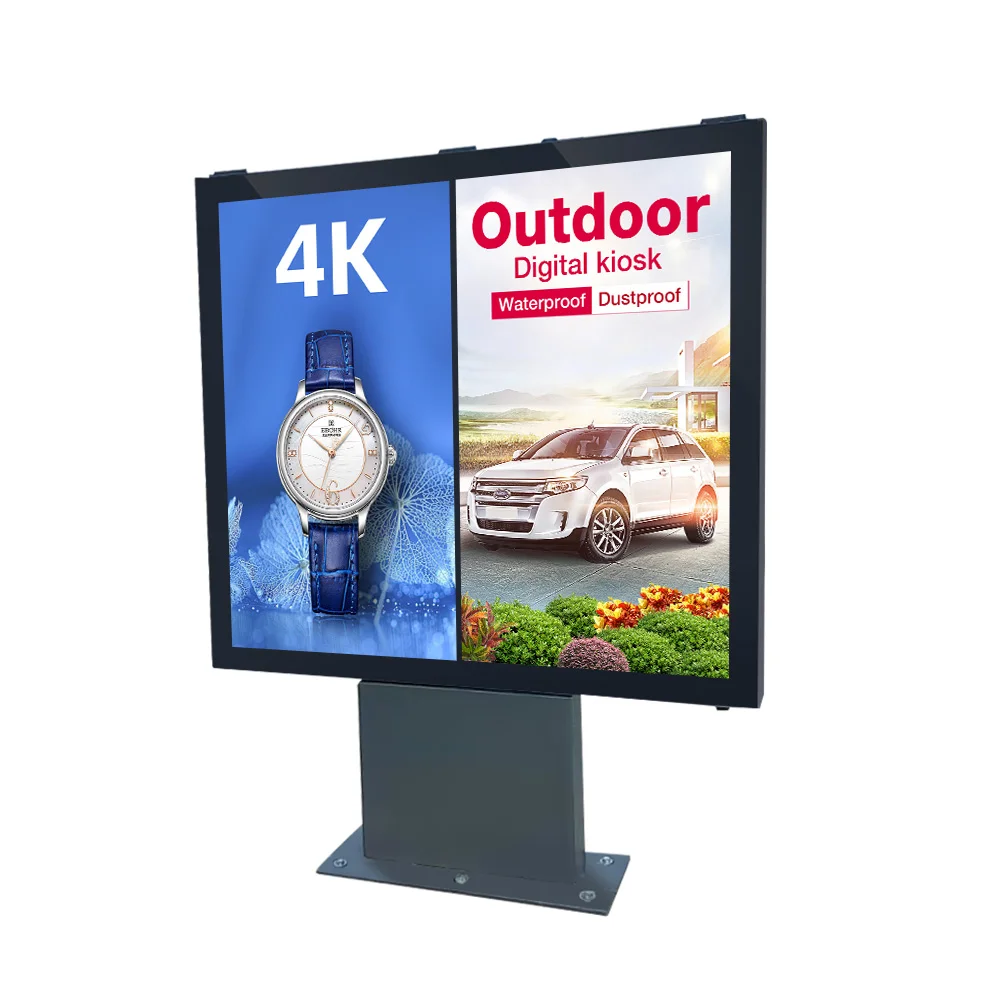
Designing Easy Maintenance Outdoor Digital Kiosks
Ongoing operational costs can quickly exceed the initial purchase price. If a screen fails, you need a way to fix it without dismantling the entire structure. Easy maintenance outdoor digital kiosks feature modular designs that allow technicians to swap parts in minutes. Operational efficiency depends on choosing hardware that simplifies cleaning and internal access.
Modular Access and Tool-less Entry
Professional kiosks often utilize front-access or side-hinged doors. This design allows for quick filter changes and hardware upgrades. It reduces the time a technician needs to spend on-site, lowering your long-term maintenance labor costs.
Remote Monitoring and Diagnostics
Modern systems include software that reports fan speeds and panel temperatures to the cloud. You can often reboot a system or update content without visiting the physical location. Easy maintenance outdoor digital kiosks leverage remote management to minimize physical site visits and downtime.
How to Select the Best Digital Signage for Your Project
Choosing the right hardware requires a careful balance of environment, budget, and visibility goals. You must consider the IP rating for water and dust protection. Most outdoor installations require an IP65 or IP66 rating to withstand heavy rain and pressure washing. A high-quality enclosure protects your digital investment from both weather and potential vandalism.
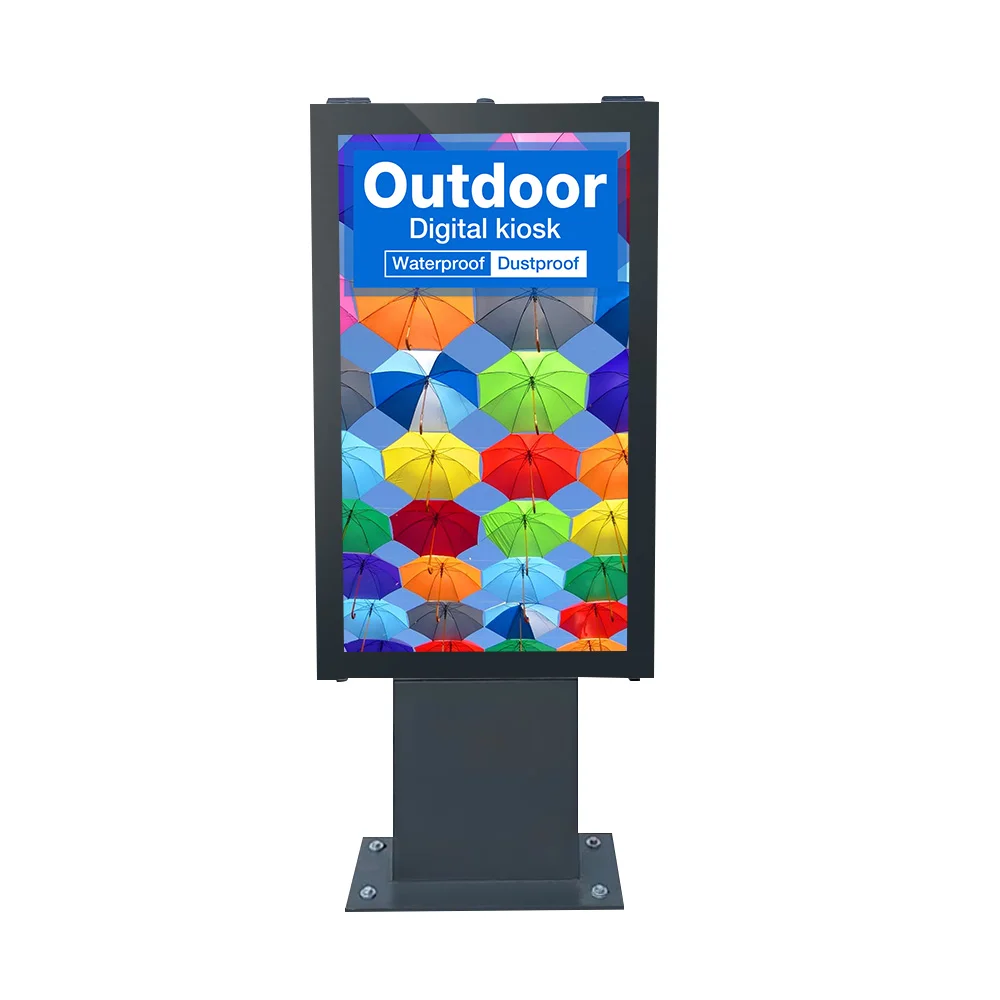
If your goal is maximum exposure in a busy area, you should evaluate multi-screen options. You can view technical specifications for a professional all-weather triple screen digital signage on our platform. This model includes high-brightness panels and a specialized thermal management system. Using a purpose-built triple screen system increases your advertising reach while ensuring hardware longevity.
Conclusion
In summary, All-weather digital signage is a vital tool for any successful outdoor marketing strategy. It solves the core problems of visibility, heat damage, and maintenance complexity. By investing in sunlight readable triple screen digital signage, you guarantee that your message is seen clearly. Prioritizing outdoor digital signage with cooling system technology ensures your display remains functional for years to come.
FAQ
1. What is the standard brightness for all-weather digital signage?
Most outdoor displays range from 2,000 to 3,500 nits. This level of brightness is necessary to remain visible during peak sunlight hours. Standard indoor screens only offer 300 to 500 nits, which will appear black when placed outdoors.
2. How do easy maintenance outdoor digital kiosks handle dust?
They utilize replaceable high-efficiency filters in the cooling vents. These filters trap fine particles before they reach the sensitive internal electronics. Regularly changing these filters is the most important part of keeping your kiosk running smoothly.
3. Is sunlight readable triple screen digital signage waterproof?
Yes, professional-grade triple screen units are designed with an IP65 rating. This means they are protected against water jets from any direction. The seams and cable entries are sealed with industrial gaskets to prevent any moisture ingress.
4. What happens if the outdoor digital signage with cooling system fails?
Modern systems include thermal cut-off switches. If the fans stop or the temperature exceeds a safe threshold, the screen will automatically power down. This fail-safe mechanism prevents permanent damage to the expensive LCD panel and internal components.
Reference Sources
National Electrical Manufacturers Association (NEMA) – Enclosure Types for Outdoor Applications.
Digital Signage Federation (DSF) – Industry Standards for Outdoor Digital Out-of-Home (DOOH).