Why Invest in Retail Digital Signage for Your Store?
In today’s competitive retail environment, capturing consumer attention is more challenging than ever. Retail digital signage has emerged as a powerful tool for stores looking to enhance in-store experiences, drive sales, and strengthen brand identity. By providing dynamic, visually engaging content, digital signage allows retailers to communicate effectively with customers, deliver real-time promotions, and create immersive shopping environments.
Key Features of Retail Digital Signage
Retail digital signage stands out due to its flexibility and impact. Unlike traditional static signs, digital displays can update content instantly, allowing retailers to respond to market trends, seasonal promotions, and special offers without additional printing costs. The integration of interactive features, such as touchscreens, QR codes, or mobile connectivity, further enhances customer engagement.
Durability and reliability are also critical. High-quality digital signage is designed to operate continuously, even under heavy traffic conditions. Retailers can trust that their content will be displayed accurately and consistently, reinforcing brand professionalism and reliability.
How Retail Digital Signage Improves Customer Engagement
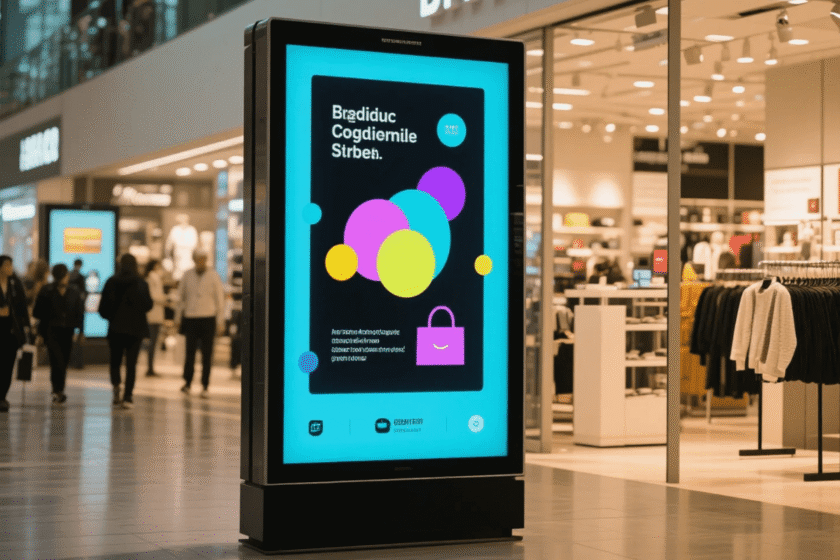
Customer engagement is at the heart of retail success. Retail digital signage attracts attention through vibrant visuals, motion graphics, and real-time messaging. When used strategically, it guides customers to products, highlights promotions, and encourages upselling.
The ability to tailor content to specific audiences is another advantage. Digital signage can display personalized messages based on time of day, location, or demographic data, making interactions more relevant and meaningful. This targeted approach improves the customer experience, increases dwell time, and ultimately contributes to higher sales.
Applications of Retail Digital Signage in Stores
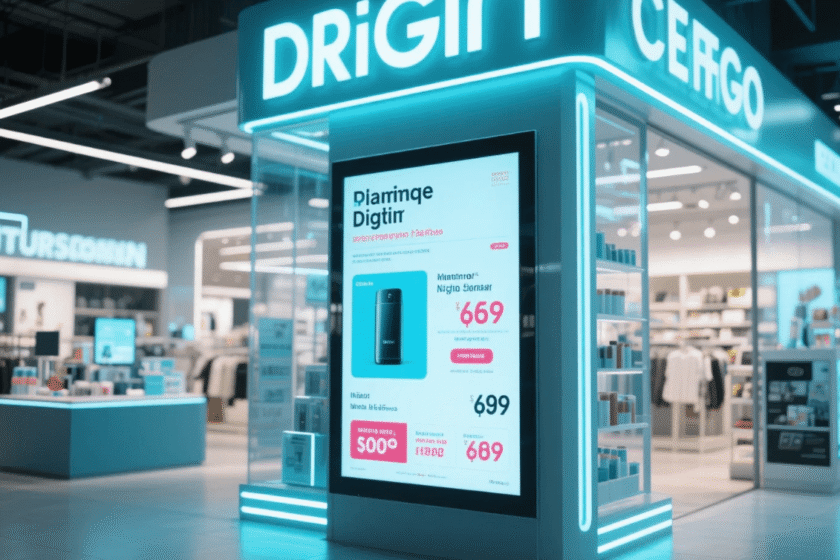
Retailers across various sectors are adopting retail digital signage to enhance store operations. In supermarkets, digital displays promote daily specials and guide shoppers through aisles efficiently. In fashion and apparel stores, digital signage highlights new collections, seasonal trends, and styling suggestions, encouraging impulse purchases.
Interactive kiosks and touchscreen displays offer self-service options, such as product information, availability checks, and loyalty program sign-ups. These applications not only improve convenience for customers but also allow staff to focus on personalized assistance, increasing overall operational efficiency.
Advantages of Implementing Retail Digital Signage
The benefits of retail digital signage are extensive. Firstly, it enhances brand visibility by presenting consistent, high-quality visuals that strengthen brand identity. Secondly, real-time content updates reduce operational costs associated with printed materials and manual replacements.
Moreover, analytics features integrated into digital signage platforms allow retailers to monitor customer interactions, evaluate promotion effectiveness, and optimize content strategies. Data-driven insights enable smarter marketing decisions, ensuring that displays contribute to measurable business outcomes.
Design and Customization of Retail Digital Signage
Modern digital signage offers extensive customization. Retailers can design layouts, animations, and interactive content tailored to specific campaigns or target audiences. The use of vibrant colors, dynamic graphics, and brand-aligned fonts ensures that messaging captures attention while maintaining professional aesthetics.
Flexible screen sizes and display orientations allow for integration into different store environments, from countertop displays to large wall-mounted screens. This versatility ensures that digital signage solutions can fit seamlessly within a store’s layout, enhancing both functionality and visual appeal.
Practical Considerations for Choosing Retail Digital Signage
When selecting retail digital signage, retailers should consider several factors. Screen resolution, brightness, and durability must match store lighting and traffic conditions. Integration with content management systems, network infrastructure, and interactive capabilities should be evaluated to ensure smooth operation.
Additionally, planning for installation, maintenance, and technical support is essential to maximize the return on investment. When executed effectively, digital signage becomes a long-term asset, driving engagement, loyalty, and sales growth.
Conclusion
Retail digital signage offers a transformative solution for stores seeking to enhance customer engagement, improve operational efficiency, and strengthen brand identity. By combining dynamic visuals, interactivity, and real-time content updates, retailers can create immersive shopping experiences that resonate with customers. Investing in digital signage not only elevates the in-store experience but also contributes to measurable business growth and competitive advantage.
FAQ
Q1: How does retail digital signage differ from traditional signage?
A1: Unlike static signs, digital signage provides dynamic content, real-time updates, and interactive features that improve customer engagement and flexibility.
Q2: Can digital signage increase store sales?
A2: Yes, by guiding customers to products, highlighting promotions, and encouraging upselling, retail digital signage can directly influence purchasing behavior.
Q3: What factors should be considered when choosing retail digital signage?
A3: Consider screen quality, brightness, durability, interactivity, content management systems, and maintenance support to ensure effective performance.