Is a Self Order Kiosk the Best Choice for Your Business?
In the rapidly evolving landscape of retail and hospitality, the integration of interactive technology has shifted from a luxury to a fundamental necessity. A self order kiosk represents the pinnacle of this digital transformation, offering a seamless interface that empowers consumers to take control of their purchasing journey. By merging high-definition digital signage with intuitive touch interfaces, these systems bridge the gap between physical storefronts and the efficiency of online shopping. For business owners, the implementation of such technology is not merely about replacing traditional counters but about optimizing human resources and reducing wait times during peak hours. Furthermore, the visual appeal of a modern self order kiosk serves as a powerful marketing tool, capturing the attention of passersby with vibrant promotions and dynamic content. As consumer preferences continue to lean toward speed and autonomy, understanding the strategic value of interactive displays becomes essential for staying competitive in a crowded market.
The Technical Synergy Between Digital Signage and Interactive Kiosks
The true power of a self order kiosk lies in its sophisticated hardware and software architecture, which is designed to handle thousands of interactions daily without compromising on performance. Unlike standard monitors, these commercial-grade displays feature high-brightness panels and reinforced capacitive touch glass that can withstand the rigors of public use. The integration of digital signage software allows businesses to update menus, prices, and seasonal advertisements in real-time across multiple locations. Moreover, the backend system of a self order kiosk typically connects directly to the point-of-sale network, ensuring that inventory levels are updated instantly and kitchen staff receive orders without clerical errors. This technical synergy ensures that the hardware remains a reliable touchpoint for customers while providing management with invaluable data on consumer behavior and popular product pairings.
Advanced Display Technology and Visual Impact
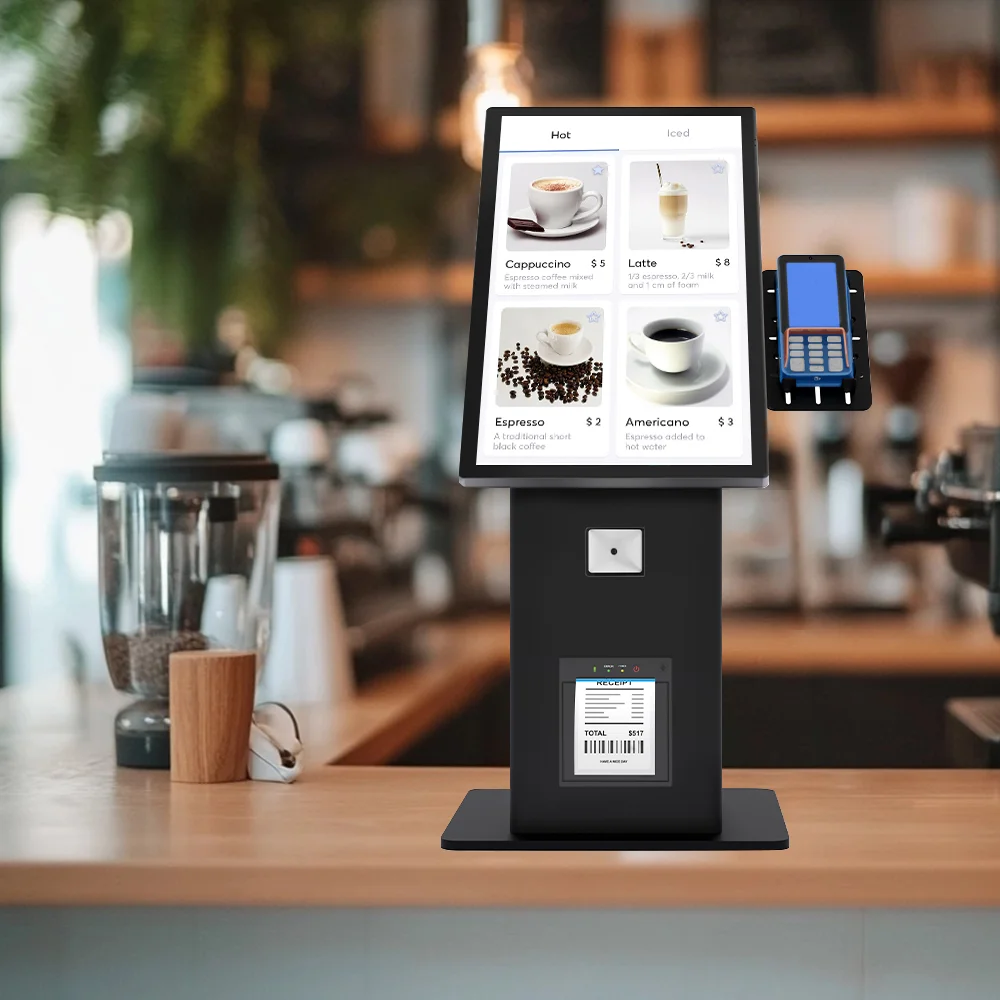
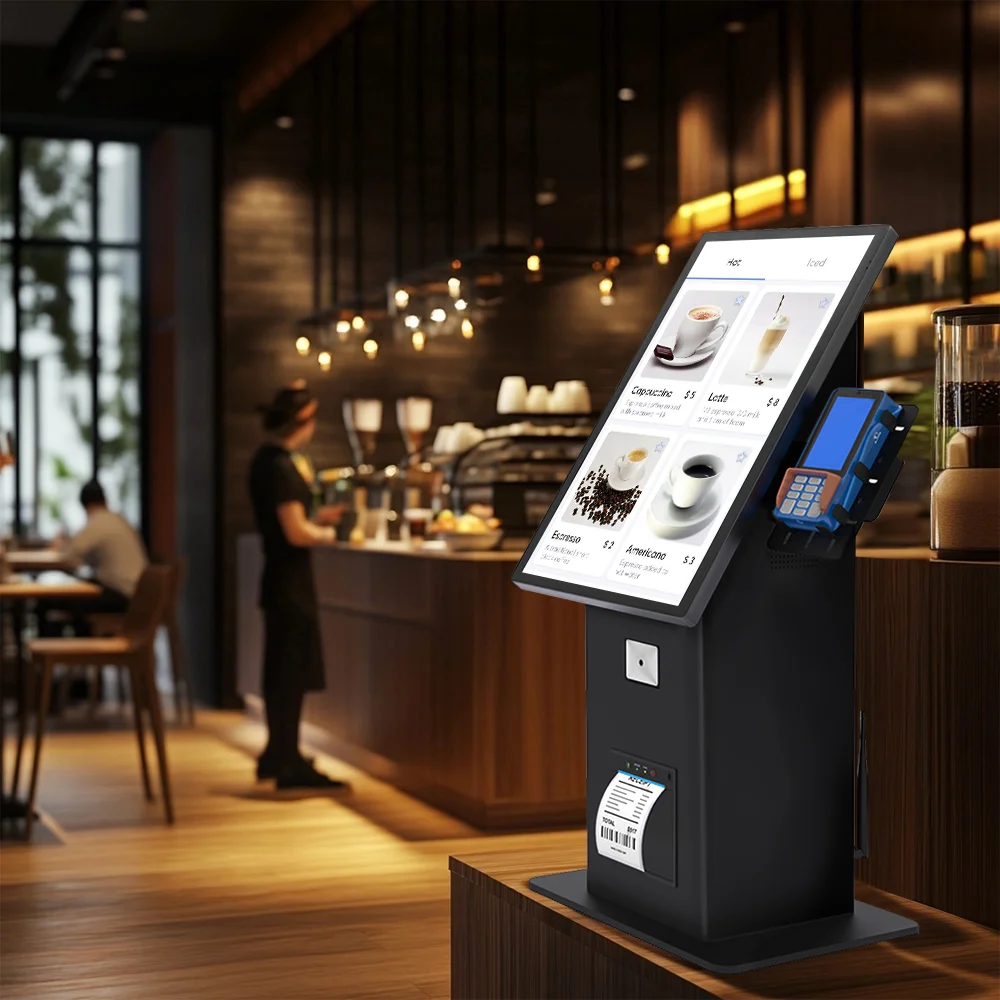
One of the primary reasons businesses invest in a self order kiosk is the unparalleled visual impact it provides compared to traditional static menus. These units utilize professional-grade LCD or LED panels that offer wide viewing angles and exceptional color accuracy, ensuring that food imagery or product videos look enticing from every direction. Additionally, many kiosks are equipped with anti-glare coatings to maintain visibility in brightly lit environments, such as shopping malls or outdoor patios. By utilizing high-resolution graphics, a self order kiosk creates an immersive environment that encourages customers to explore the full range of offerings. This visual depth not only enhances the brand’s professional image but also helps in conveying complex information, such as nutritional data or customization options, in a clear and digestible format.
Enhancing Operational Efficiency Through Smart Design
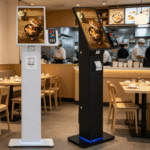
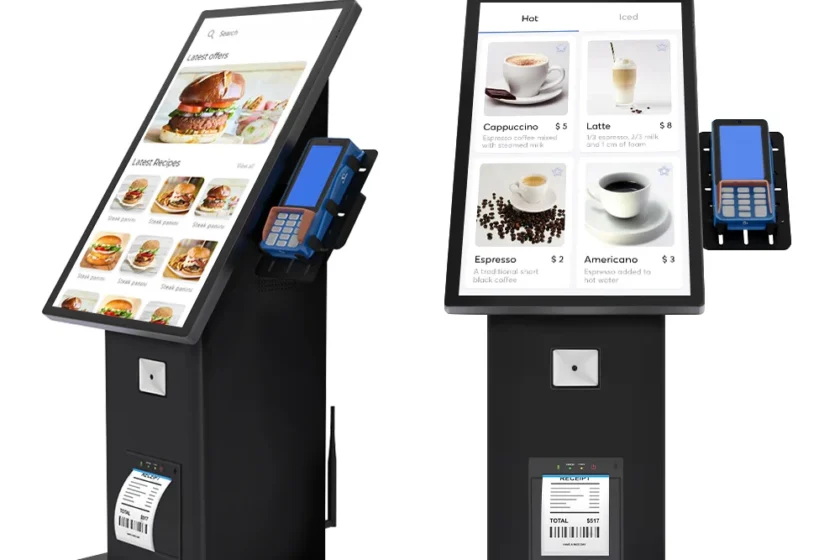
From an operational perspective, the deployment of a self order kiosk allows staff to pivot from repetitive order-taking tasks to more high-value roles, such as food preparation or personalized customer service. The physical design of these kiosks is often modular, allowing for floor-standing, wall-mounted, or countertop configurations depending on the available square footage. Furthermore, a well-designed self order kiosk includes integrated payment peripherals, such as EMV card readers, NFC scanners for mobile payments, and thermal receipt printers, all housed within a secure, tamper-resistant enclosure. By consolidating these functions into a single station, businesses can significantly increase their throughput per square foot. This efficiency is particularly valuable in high-traffic zones where every second saved in the queue directly translates into higher customer satisfaction and repeat visits.
Data-Driven Insights and Personalized Upselling
Beyond the physical interaction, a self order kiosk serves as a sophisticated data collection engine that helps businesses refine their sales strategies. These systems can track which items are most frequently customized, the average time spent on each screen, and the effectiveness of different promotional banners. Perhaps most importantly, a self order kiosk never forgets to suggest an upsell, such as adding a drink or upgrading to a meal. Unlike human staff who may feel rushed during busy periods, the kiosk consistently presents high-margin add-ons to every customer in a non-intrusive manner. This consistent application of sales logic often results in a measurable increase in average check size, proving that interactive digital signage is a powerful driver of incremental revenue.
The Strategic Importance of Customization and Brand Identity
Every business has a unique story to tell, and the flexible nature of a self order kiosk makes it an ideal medium for expressing brand identity. Customizing the software interface with specific brand colors, fonts, and tone of voice ensures that the digital experience feels like a natural extension of the physical store. Furthermore, the physical housing of a self order kiosk can be branded with vinyl wraps or custom powder coatings to match the interior decor. This attention to detail builds trust with the consumer, as they feel they are interacting with an official and secure platform. By offering a localized and branded experience, companies can foster deeper emotional connections with their audience, transforming a simple transaction into a memorable brand touchpoint that resonates long after the customer has left the premises.
Sustainability and the Shift Toward Paperless Systems
In an era where environmental responsibility is a key driver for consumer loyalty, the transition to a self order kiosk offers a significant step toward sustainability. Traditional printed menus and paper order slips contribute to substantial waste and require constant reprinting as prices or ingredients change. In contrast, an interactive kiosk allows for instantaneous digital updates, eliminating the need for physical materials. Many modern kiosks also offer digital receipts sent via email or SMS, further reducing the carbon footprint of the business. By adopting a self order kiosk, companies demonstrate a commitment to modern, eco-friendly practices that align with the values of a younger, more environmentally conscious demographic. This shift not only saves on printing costs but also positions the brand as a forward-thinking leader in the industry.
Reliability and Remote Management Capabilities
For businesses operating multiple locations, the ability to manage a fleet of interactive displays remotely is a game-changer. Professional self order kiosk solutions often include a centralized Content Management System that allows administrators to push updates, monitor hardware health, and troubleshoot software issues from a single dashboard. This remote capability ensures that the customer experience remains consistent across the entire franchise network, regardless of geographical distance. If a kiosk in one city requires a menu change, it can be executed in seconds without the need for on-site technical staff. This reliability ensures that the self order kiosk remains an active and productive part of the sales team, minimizing downtime and ensuring that the business never misses an opportunity to serve its customers.
Accessibility and Inclusive User Interfaces
Designing for a diverse audience is a core value in modern retail, and a high-quality self order kiosk is engineered with accessibility in mind. Features such as adjustable interface heights for wheelchair users, high-contrast modes for the visually impaired, and multi-language support ensure that every customer can navigate the ordering process with ease. By removing language barriers and physical obstacles, a self order kiosk makes the business more inclusive and welcoming to international tourists and people with disabilities. This inclusivity not only expands the potential customer base but also reinforces the brand’s commitment to serving the entire community. When technology is used to empower all individuals, it creates a positive social impact that enhances the overall reputation of the business.
Conclusion
The self order kiosk has undoubtedly transformed the landscape of modern commerce, offering a powerful blend of efficiency, visual appeal, and data intelligence. As we have explored, these systems are much more than simple order-taking machines; they are sophisticated digital signage solutions that enhance the customer journey and streamline operations. By investing in a self order kiosk, businesses can capitalize on the growing demand for speed and autonomy while simultaneously boosting their bottom line through consistent upselling and reduced labor costs. As technology continues to advance, we can expect even deeper integrations with artificial intelligence and mobile ecosystems, further cementing the kiosk’s role as the heartbeat of the modern storefront. For those ready to embrace the future, the path to success begins with choosing the right interactive display partner to bring their brand vision to life.
FAQ
Q1: Can a self order kiosk be integrated with my existing POS system?
Yes, most professional self order kiosk solutions are designed to be highly compatible with leading Point of Sale software. Integration is typically achieved through an Application Programming Interface, which allows the kiosk to communicate in real-time with your inventory and payment processing systems. This ensures that all sales data is centralized and that the kitchen receives orders through the same channels as traditional counter sales.
Q2: What is the typical return on investment for an interactive kiosk?
The return on investment for a self order kiosk can often be realized within six to twelve months, depending on the volume of the business. The primary drivers of this return include a measurable increase in average transaction value through automated upselling, a reduction in order errors, and lower labor costs. Additionally, the improved speed of service often leads to higher customer throughput, allowing the business to serve more people during peak hours.
Q3: Are these kiosks difficult to maintain and clean?
Not at all. A commercial-grade self order kiosk is built with durability and hygiene in mind. The screens are usually made from toughened glass that is easy to wipe down with standard electronic-safe disinfectants. From a technical standpoint, remote monitoring tools allow for most software issues to be resolved without on-site visits. Regular physical maintenance simply involves checking the printer paper and ensuring the enclosure is free of dust, making it a low-maintenance asset for any busy retail environment.