Using 3D Hologram Pictures for Impactful Advertising
In a crowded marketplace, capturing consumer attention is a significant challenge. Traditional flat displays often fail to break through the visual noise of modern cities. Many advertisers now seek innovative ways to present products with depth and realism. This is where hologram pictures 3d technology transforms the retail environment. I have observed how these displays create a “stop-and-stare” effect that traditional media cannot match. By using 3D hologram pictures for advertising, brands can bridge the gap between digital content and physical space. This guide explains how this technology works and why it is the future of visual marketing.
Understanding 3D Hologram Pictures for Advertising
Modern 3D hologram pictures for advertising do not require viewers to wear special glasses. These displays create the illusion of three-dimensional objects floating in mid-air or inside a glass enclosure. This effect is achieved through light diffraction or high-speed rotation of LED light sources. I find that this creates a sense of wonder that encourages longer dwell times.
The Evolution of Visual Depth
Early holography was limited to static images on film or specialized plates. Today, digital technology allows us to project high-definition, moving hologram pictures 3d. These systems use precise light modulation to reconstruct wavefronts that mimic real objects. This evolution has moved holograms from laboratory experiments into mainstream retail environments.
Why Motion Matters in 3D Content
Static images often blend into the background of a busy store. Moving 3D hologram pictures for advertising trigger the human eye’s natural response to movement. When an object appears to rotate in 3D space, the brain processes it as a physical presence. This psychological trigger significantly boosts brand recall and message retention.
How Hologram Pictures 3D Capture Consumer Attention
The primary value of hologram pictures 3d lies in their ability to disrupt the standard shopping experience. Most consumers are accustomed to seeing screens everywhere they go. A holographic projection feels different because it occupies volume rather than just a flat surface. I have seen shoppers approach these displays to inspect them from different angles.
Creating an Immersive Brand Story
Holography allows you to tell a story that feels tangible. You can show the internal components of a watch or the texture of a luxury shoe. This level of detail builds trust because the consumer feels they are seeing the “real” product. It transforms a simple advertisement into an interactive visual experience.
Enhancing Spatial Perception in Retail
Spatial perception is key to understanding product dimensions. 3D hologram pictures for advertising provide a 360-degree view that flat photos lack. This is particularly useful for complex products like electronics or medical devices. It helps customers understand the scale and form factor before they even touch the item.
Selecting the Right Holographic Display Hardware
Choosing the right equipment is essential for a successful campaign using hologram pictures 3d. Not all displays are equal in terms of brightness or clarity. You must consider the ambient lighting of your environment. High-traffic areas with bright overhead lights require displays with high-contrast ratios.
Benefits of Transparent LCD Technology
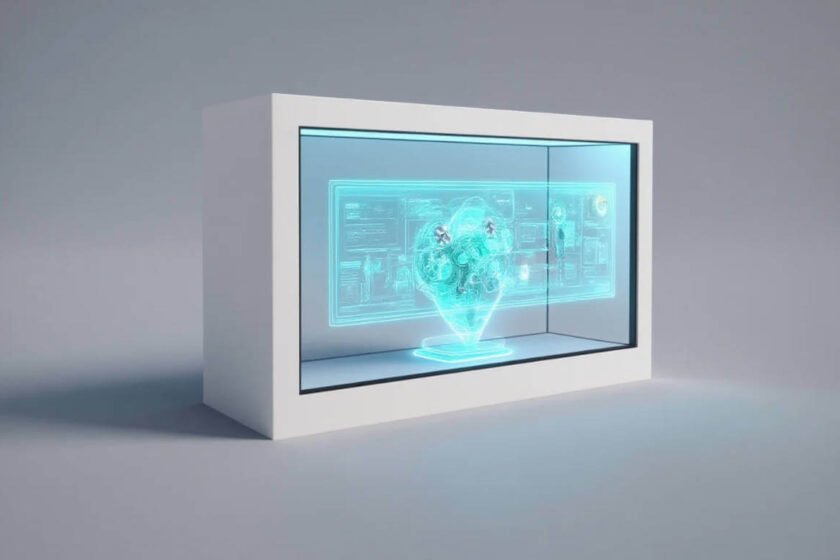
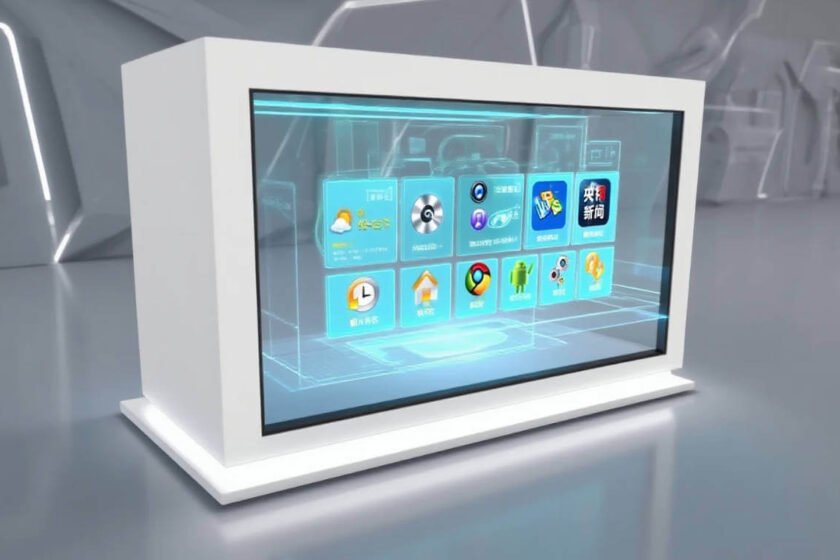
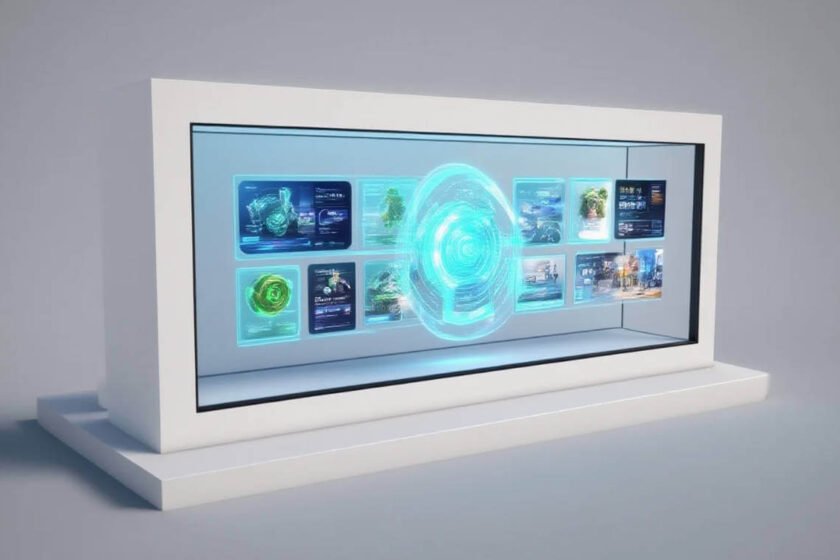
Transparent LCDs are a popular choice for showcasing physical products alongside digital overlays. These displays allow you to place a real object inside a box while playing 3D hologram pictures for advertising on the front glass. This hybrid approach creates a stunning “augmented reality” effect without the need for headsets. It is an excellent way to add digital information to physical luxury goods.
Integrating Kiosk Systems for Engagement
Kiosk systems provide a stable platform for long-term installations. They protect the delicate electronics while offering a professional aesthetic. I recommend using kiosks when you want to create a permanent focal point in a showroom. These units often include integrated sound and touch features to further enhance the user experience.
Criteria for Professional Holographic Solutions
When you decide to implement 3D hologram pictures for advertising, you must evaluate your hardware options carefully. The quality of the “transparency” effect is the most critical factor. If the screen is too dark, the 3D effect loses its magic. You should look for displays that offer high light transmission rates.
I believe the integration of the display into the surrounding furniture is equally important. A standalone screen might look out of place. A integrated transparent box kiosk provides a seamless look that enhances the premium feel of the content. This setup ensures that the hologram pictures 3d remain the center of attention.
Furthermore, consider the ease of content management. You need a system that allows for quick updates via USB or network connections. A holographic 3D transparent LCD advertising display is ideal for retail because it combines hardware durability with software flexibility. Choosing the right partner ensures your visual investment stays relevant for years.
Summary
3D hologram pictures for advertising offer a unique way to capture attention and increase brand engagement. By utilizing hologram pictures 3d, businesses can present products with unprecedented depth and clarity. This technology effectively disrupts traditional advertising patterns. It provides a memorable experience that drives both foot traffic and consumer interest.
FAQ
What is the difference between a 3D hologram and a standard 3D screen?
A standard 3D screen usually requires glasses or a specific viewing angle to show depth. A hologram pictures 3d display creates a free-standing image that looks three-dimensional from multiple perspectives without accessories.
Can 3D hologram pictures for advertising work in bright sunlight?
Most holographic displays perform best in controlled indoor lighting. While high-brightness versions exist, direct sunlight can wash out the effect. It is best to place them in shaded or indoor areas for maximum impact.
Do I need special video files for these displays?
Yes, content must be specifically rendered for the display type. You typically need high-contrast video with a black background to make the “holographic” parts appear to float.
Is the maintenance for these displays difficult?
Modern LED and LCD-based holographic systems are very reliable. They generally require the same maintenance as a high-end television, such as keeping the glass clean and ensuring proper ventilation.
Reference Sources
Wikipedia: Holography and its applications in modern technology.
Britannica: Principles of three-dimensional imaging and light diffraction.
SPIE (International Society for Optics and Photonics): Standards for digital holographic displays and visual perception.