3D Hologram Images: The Future of Digital Signage?
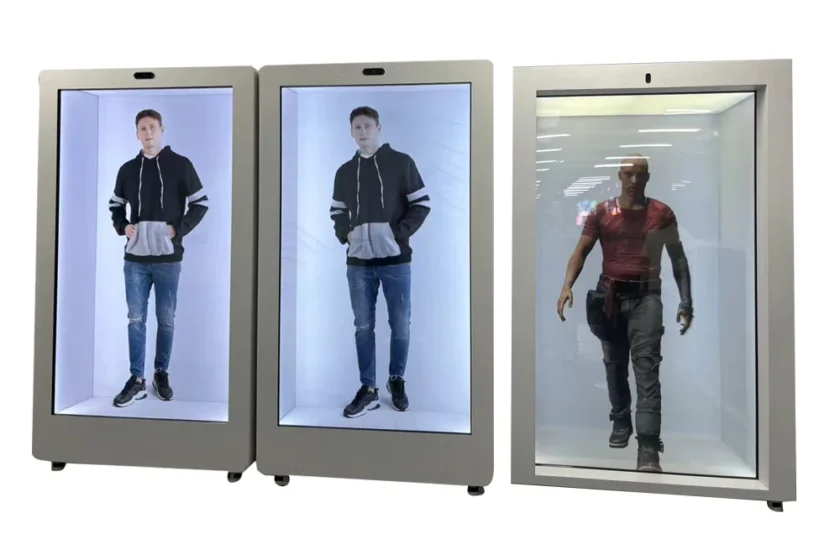
In the rapidly evolving landscape of visual communication, the search for truly captivating and memorable display technologies is constant. 3D hologram images represent a revolutionary leap forward, moving beyond traditional flat screens and static content to offer dynamic, seemingly three-dimensional projections that exist in mid-air. For businesses and professionals focused on digital signage and retail display solutions, this technology presents an unparalleled opportunity to command attention, drive foot traffic, and enhance brand storytelling. Users of digital signage products—from retail marketers and event planners to museum curators—need to understand not just the “wow” factor, but the practical, technical, and commercial benefits of integrating 3D hologram images into their strategies. This article provides a comprehensive analysis of the technology, its distinct features, and its transformative applications within the high-stakes world of modern digital display.
The Technological Foundation of 3D Hologram Images
The term “hologram” often evokes cinematic fantasy, yet modern commercial technology delivers highly realistic, volumetric visual experiences. The most prevalent technology used to generate engaging 3D hologram images in digital signage today is the holographic fan display.
How Holographic Fan Displays Create Volumetric Effects
Holographic fans utilize a rapidly spinning array of LED lights attached to a central rotor or blade structure. As the fan rotates at high speed, the persistence of human vision merges the individual light sources into a continuous, seemingly solid image. This principle, known as persistence of vision (POV), combined with precise timing and sophisticated algorithms, allows the system to display full-color, full-motion visuals that appear to float, unbound by a frame or screen. The transparent nature of the space surrounding the spinning blades is what creates the illusion of a genuinely floating object, dramatically increasing viewer engagement compared to standard displays.
Key Technical Characteristics Driving Signage Adoption
The core appeal of using 3D hologram images in digital signage is rooted in several unique technical characteristics. Firstly, the displays offer high luminosity and excellent contrast, ensuring the visuals remain vibrant and clear even in well-lit retail or exhibition environments. Secondly, these systems are highly scalable; while single units create impactful displays, multiple fans can be seamlessly synchronized to project larger, more complex holographic walls or sequences, thus adapting to various spatial requirements. Finally, they require minimal physical footprint for the projection area itself, making them ideal for high-traffic zones where space is at a premium.
Transforming the Digital Signage Experience
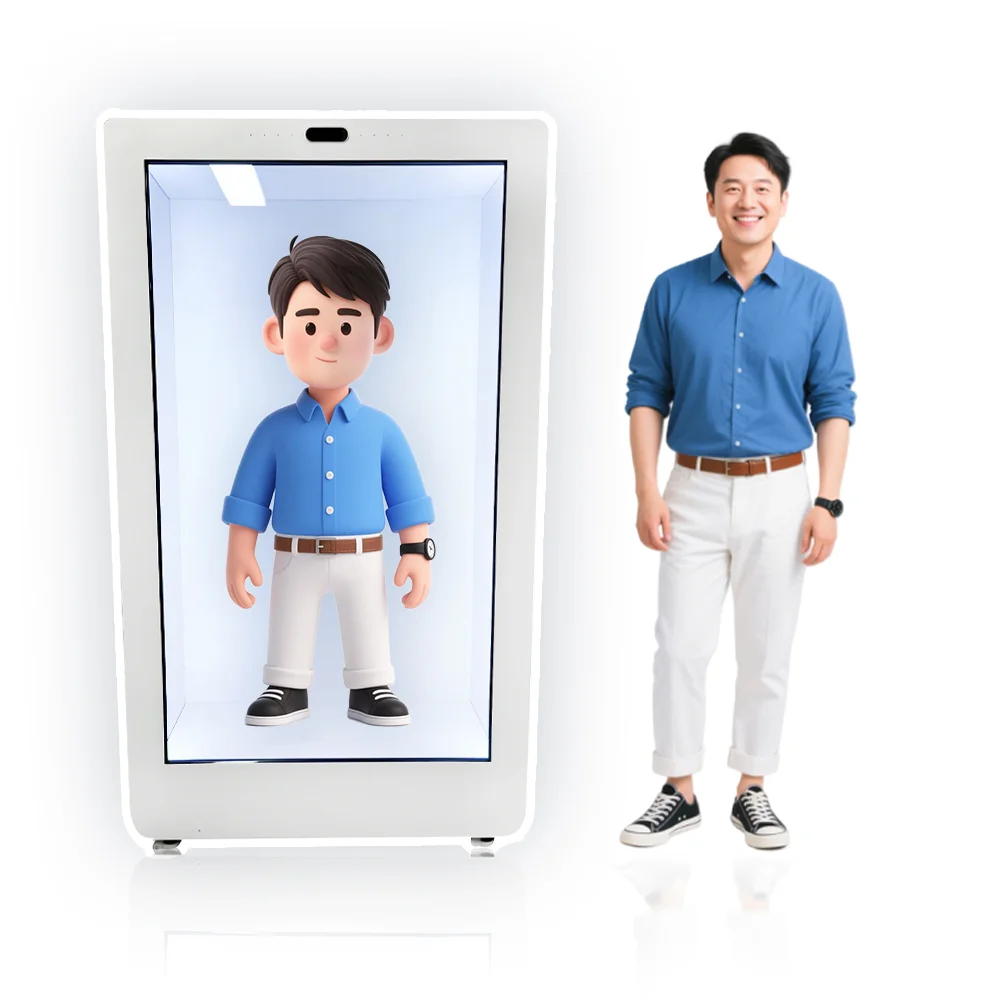
Traditional digital signage, while effective for delivering information, often struggles with achieving genuine, passive engagement. The integration of 3D hologram images fundamentally changes this dynamic, converting passersby into engaged viewers.
Maximizing Viewer Engagement and Recall
The novelty and visual fidelity of a floating 3D product or animation immediately draw the eye and encourage extended viewing. Unlike two-dimensional advertisements that viewers are accustomed to filtering out, the volumetric nature of the holographic display demands attention. This heightened level of engagement directly translates into better recall rates for the advertised product or brand message. For instance, a holographic spinning shoe in a retail window is not merely seen; it is experienced, fostering a deeper connection with the advertised item. Marketers have found that this kind of interaction significantly increases dwell time in front of the display.
Versatility Across Diverse Digital Signage Sectors
The application range of 3D hologram images spans multiple key areas within the digital signage ecosystem:
Retail and Point-of-Sale Marketing
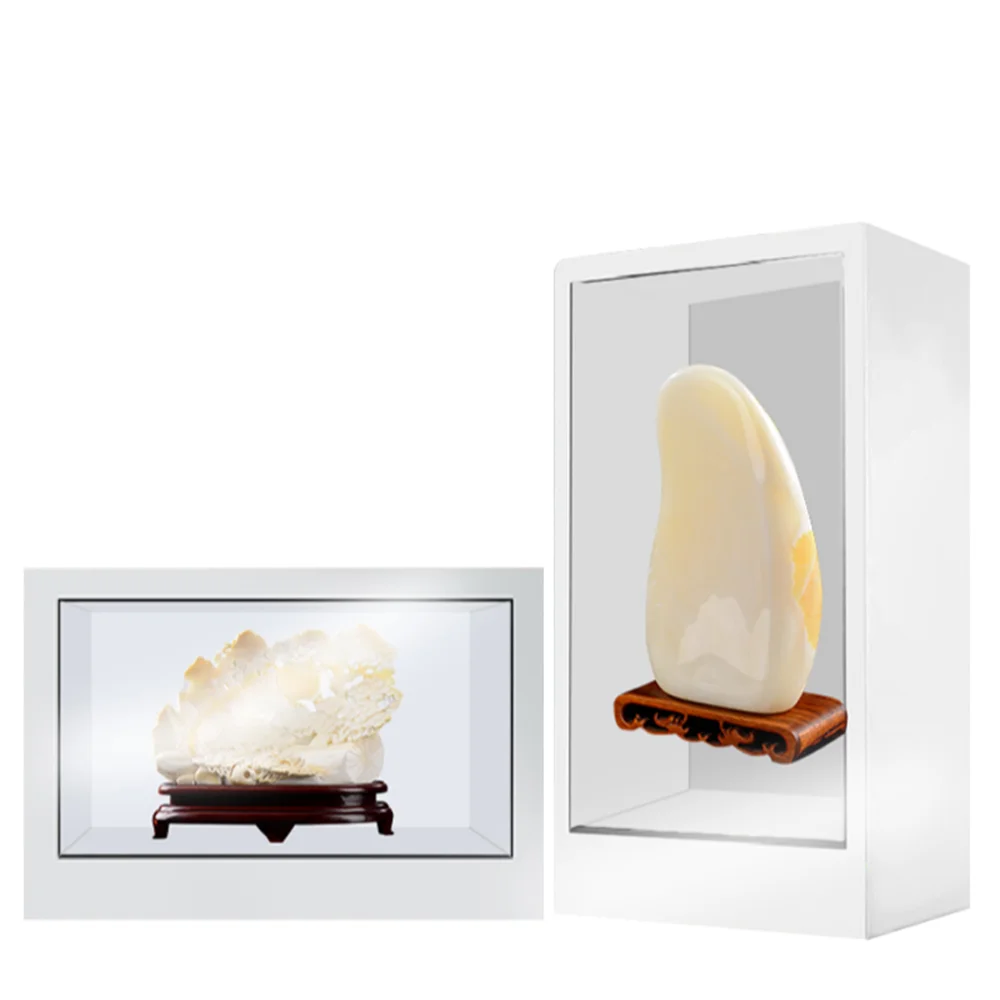
In retail environments, the technology is revolutionary for product launches and high-value item showcases. Instead of placing a physical prototype, a detailed, rotating holographic model can be displayed without risk of theft or damage. This is particularly effective for cosmetics, electronics, and automotive parts, where showing intricate details in three dimensions provides valuable pre-purchase information to the customer. This innovative display method aids in bridging the gap between physical and digital retail experiences.
Corporate Events and Exhibitions
At trade shows and corporate events, standing out from the crowd is essential. A large, dynamic holographic display serves as an immediate, high-impact focal point, drawing attendees directly to a booth. It can be used to showcase complex machinery or software interfaces that are too large or too abstract to display physically, allowing for a compelling demonstration of functionality and design.
Museums and Educational Displays
Institutions are leveraging 3D hologram images to bring historical artifacts, biological models, or scientific concepts to life in an accessible and mesmerizing way. A rotating holographic heart or an ancient structure provides a level of detail and interactivity that traditional static exhibits or video screens simply cannot match, thereby enhancing the educational value and visitor experience.
Implementation and Content Strategy Considerations
Successfully deploying 3D hologram images requires careful planning, particularly regarding content creation and physical placement. While the hardware is relatively straightforward to install, the true impact lies in the quality of the visual content.
Optimizing Content for the Holographic Medium
The content must be specifically designed for the holographic format. Unlike standard videos, the visual assets need to be modeled and rendered with a focus on depth, rotation, and texture, ensuring that the object looks realistic from multiple viewing angles. Content should emphasize motion and three-dimensional rotation, as these features best showcase the technology’s capabilities. Simple, clean backgrounds are typically preferred, as they help the projected object “pop” and maintain the illusion of being entirely free-floating. Investing in professional, high-fidelity 3D modeling is essential for achieving the desired impactful result.
Strategic Placement for Maximum Visibility
Physical placement is critical. The best results are achieved when the holographic fan is installed against a dark, non-reflective background. This maximizes the contrast and reinforces the floating illusion. Furthermore, the display should be placed at eye level and in an area where viewers have ample space to safely observe the 3D hologram images from different perspectives without obstructing foot traffic. Strategic lighting of the surrounding area can also be used to subtly guide the viewer’s focus to the dynamic display. Attention to these installation details ensures that the technological investment translates into tangible marketing success.
In conclusion, 3D hologram images are poised to become a standard tool in the advanced digital signage arsenal. They offer a powerful, immersive, and highly flexible way to communicate brand messages, showcase products, and captivate audiences. For digital signage product users, adopting this technology is not just about keeping up with trends; it is about strategically deploying the next generation of display technology to ensure their messaging is not only seen but truly absorbed and remembered.
Frequently Asked Questions (FAQ)
Q1: How durable are holographic fan displays, and what is their typical lifespan?
A: Holographic fan displays are generally robust. They are designed for continuous commercial use and have a high operational lifespan, typically tens of thousands of hours, due to the use of energy-efficient and long-lasting LED technology. While the moving parts (the blades) require careful handling during installation, they are sealed units built for reliable, long-term performance in static indoor environments.
Q2: Can I update the content on the 3D hologram images easily?
A: Yes. Modern holographic fan displays are designed for easy content management. Content is typically uploaded wirelessly via Wi-Fi from a centralized control system or mobile app. This allows digital signage users to change the displayed 3D content quickly and remotely, making it ideal for promotions, seasonal changes, or dynamic event schedules.
Q3: Is special safety training required to operate or maintain holographic fan displays?
A: Standard safety precautions apply. While the rotating blades create the image, they are often housed within protective shields or installed at heights to prevent accidental contact. It is essential that the unit is safely secured to its mounting surface and that maintenance is performed only when the power is completely disconnected, in accordance with the manufacturer’s guidelines.